
Will the US-Iran war end soon? White House signals breakthrough
US-Iran war: Two US officials said Trump’s decision to halt a new operation in the Strait of Hormuz and maintain the fragile ceasefire was influenced by progress in talks.
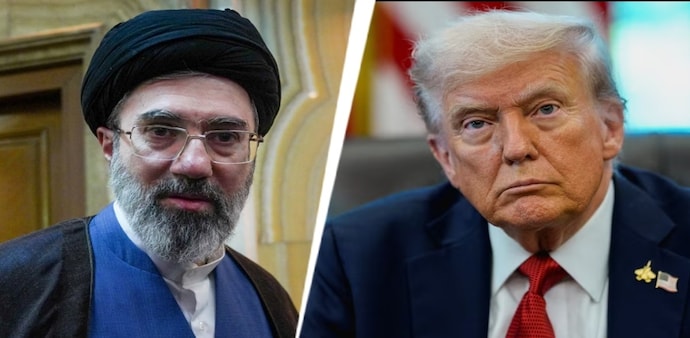
- May 6, 2026,
- Updated May 6, 2026 4:13 PM IST
US-Iran war: The White House reportedly believed the US and Iran are close to agreeing on a one-page memorandum of understanding to end the war and set a framework for detailed nuclear negotiations, according to US officials and other sources. The US expected Iranian responses on key points within 48 hours. While no deal has been finalised, this is the closest the two sides have come since the war began.
According to a report in Axios, under the proposed memorandum, Iran would agree to a moratorium on nuclear enrichment, while the US would lift sanctions and release billions of dollars in frozen Iranian funds. Both sides would also remove restrictions on transit through the Strait of Hormuz, it said. Some terms depend on a final agreement, leaving open the possibility of renewed conflict or a prolonged ceasefire without resolution.
Sources told the news site that Iran would agree to remove its highly enriched uranium, a key US demand previously rejected by Tehran. One option discussed is transferring the material to the US. The moratorium on uranium enrichment is still under discussion. Sources told the news site that it could last at least 12 years, possibly 15. Iran proposed five years, while the US demanded 20. The US also wanted a clause extending the moratorium if Iran violates it.
The White House said there were divisions within the Iranian leadership, making consensus difficult. Some US officials doubted an initial deal would be reached.
Two US officials said Trump’s decision to halt a new operation in the Strait of Hormuz and maintain the fragile ceasefire was influenced by progress in talks. The memorandum is being negotiated by Trump’s envoys Steve Witkoff and Jared Kushner with Iranian officials, directly and through mediators.
DON'T MISS | ‘Project Freedom’ to rescue ships in Hormuz paused; Trump cites US-Iran deal progress
The memorandum would declare an end to the war and start a 30-day negotiation period on a detailed agreement to open the strait, limit Iran’s nuclear programme, and lift US sanctions. Negotiations could take place in Islamabad or Geneva. Restrictions on shipping and the US naval blockade would be gradually lifted during this period. If talks fail, the US could restore the blockade or resume military action.
Secretary of State Marco Rubio said the agreement need not be finalised in one day, calling the process complex and technical. He stressed the need for a clear diplomatic solution on negotiable topics and concessions. Rubio also described some Iranian leaders as "insane in the brain" and questioned whether they would make a deal.
US-Iran war: The White House reportedly believed the US and Iran are close to agreeing on a one-page memorandum of understanding to end the war and set a framework for detailed nuclear negotiations, according to US officials and other sources. The US expected Iranian responses on key points within 48 hours. While no deal has been finalised, this is the closest the two sides have come since the war began.
According to a report in Axios, under the proposed memorandum, Iran would agree to a moratorium on nuclear enrichment, while the US would lift sanctions and release billions of dollars in frozen Iranian funds. Both sides would also remove restrictions on transit through the Strait of Hormuz, it said. Some terms depend on a final agreement, leaving open the possibility of renewed conflict or a prolonged ceasefire without resolution.
Sources told the news site that Iran would agree to remove its highly enriched uranium, a key US demand previously rejected by Tehran. One option discussed is transferring the material to the US. The moratorium on uranium enrichment is still under discussion. Sources told the news site that it could last at least 12 years, possibly 15. Iran proposed five years, while the US demanded 20. The US also wanted a clause extending the moratorium if Iran violates it.
The White House said there were divisions within the Iranian leadership, making consensus difficult. Some US officials doubted an initial deal would be reached.
Two US officials said Trump’s decision to halt a new operation in the Strait of Hormuz and maintain the fragile ceasefire was influenced by progress in talks. The memorandum is being negotiated by Trump’s envoys Steve Witkoff and Jared Kushner with Iranian officials, directly and through mediators.
DON'T MISS | ‘Project Freedom’ to rescue ships in Hormuz paused; Trump cites US-Iran deal progress
The memorandum would declare an end to the war and start a 30-day negotiation period on a detailed agreement to open the strait, limit Iran’s nuclear programme, and lift US sanctions. Negotiations could take place in Islamabad or Geneva. Restrictions on shipping and the US naval blockade would be gradually lifted during this period. If talks fail, the US could restore the blockade or resume military action.
Secretary of State Marco Rubio said the agreement need not be finalised in one day, calling the process complex and technical. He stressed the need for a clear diplomatic solution on negotiable topics and concessions. Rubio also described some Iranian leaders as "insane in the brain" and questioned whether they would make a deal.