
US-Iran war: A second chokepoint after Hormuz opens up; concerns over oil shipping, infra
US-Iran war: If cargoes cannot pass through the southern strait, they must take the northern route via the Suez Canal, adding weeks and costs to the journey.
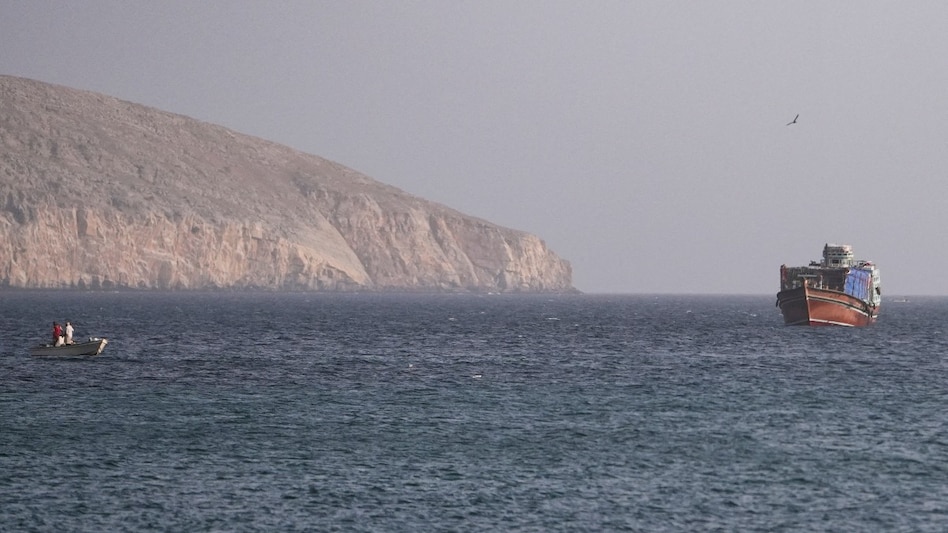
- Jul 23, 2026,
- Updated Jul 23, 2026 10:50 AM IST
US-Iran war: A second chokepoint in global oil shipping opened on Thursday as the Iranian-aligned Houthis claimed missile and drone strikes on two Saudi oil tankers in the Red Sea. The Houthis said this was part of a naval blockade on Saudi Arabia, alongside Iran's attempt to control the Strait of Hormuz. The claim came as the US military said it had launched a fresh round of strikes on Iran, marking the 12th consecutive night of American attacks.
The developments have raised concerns over oil shipping, regional infrastructure, and the growing human and military cost of the war. Iran's near-total blockade of the Strait of Hormuz had already pushed up oil prices, increased inflation worldwide, and added pressure on US petrol consumers.
The Yemen-based Houthi group, which controls areas near the Bab el-Mandeb Strait at the southern end of the Arabian Peninsula, announced a naval blockade on Saudi Arabia on Monday. Some analysts see this as a tactical move by Iran to gain leverage.
Millions of barrels of Saudi oil are shipped daily through the Red Sea port of Yanbu to avoid the Strait of Hormuz. If cargoes cannot pass through the southern strait, they must take the northern route via the Suez Canal, adding weeks and costs to the journey. US officials said the Houthi naval blockade could widen the war and strain the US military.
DON'T MISS | Rubio warns ASEAN: Iran controlling Hormuz sets dangerous precedent for the whole world
Five tankers changed course in the Red Sea on Wednesday to avoid the Bab el-Mandeb Strait, and three tankers carrying Saudi oil to China and India made U-turns on Tuesday. The Houthis said their forces struck two Saudi oil tankers, the Encelia and the Layla, with missiles and drones.
A maritime security source said the Encelia sent a distress call after being hit by a missile near the Saudi port of Jizan late on Wednesday. British maritime risk group Vanguard reported the Saudi-flagged tanker was hit about 70 nautical miles south-west of Saudi Arabia's Al Shuqaiq. The attack on the Layla remains unconfirmed.
MUST READ | Goldman warns: Oil could surge past $120 if Hormuz disruptions continue
Before the Red Sea attacks, President Trump vowed to destroy an Iranian bridge or power plant each time Iran targeted a ship in the Strait of Hormuz. Iran warned it would target regional oil, gas, electricity, and economic infrastructure in response and prevent the export of any oil.
US-Iran war: A second chokepoint in global oil shipping opened on Thursday as the Iranian-aligned Houthis claimed missile and drone strikes on two Saudi oil tankers in the Red Sea. The Houthis said this was part of a naval blockade on Saudi Arabia, alongside Iran's attempt to control the Strait of Hormuz. The claim came as the US military said it had launched a fresh round of strikes on Iran, marking the 12th consecutive night of American attacks.
The developments have raised concerns over oil shipping, regional infrastructure, and the growing human and military cost of the war. Iran's near-total blockade of the Strait of Hormuz had already pushed up oil prices, increased inflation worldwide, and added pressure on US petrol consumers.
The Yemen-based Houthi group, which controls areas near the Bab el-Mandeb Strait at the southern end of the Arabian Peninsula, announced a naval blockade on Saudi Arabia on Monday. Some analysts see this as a tactical move by Iran to gain leverage.
Millions of barrels of Saudi oil are shipped daily through the Red Sea port of Yanbu to avoid the Strait of Hormuz. If cargoes cannot pass through the southern strait, they must take the northern route via the Suez Canal, adding weeks and costs to the journey. US officials said the Houthi naval blockade could widen the war and strain the US military.
DON'T MISS | Rubio warns ASEAN: Iran controlling Hormuz sets dangerous precedent for the whole world
Five tankers changed course in the Red Sea on Wednesday to avoid the Bab el-Mandeb Strait, and three tankers carrying Saudi oil to China and India made U-turns on Tuesday. The Houthis said their forces struck two Saudi oil tankers, the Encelia and the Layla, with missiles and drones.
A maritime security source said the Encelia sent a distress call after being hit by a missile near the Saudi port of Jizan late on Wednesday. British maritime risk group Vanguard reported the Saudi-flagged tanker was hit about 70 nautical miles south-west of Saudi Arabia's Al Shuqaiq. The attack on the Layla remains unconfirmed.
MUST READ | Goldman warns: Oil could surge past $120 if Hormuz disruptions continue
Before the Red Sea attacks, President Trump vowed to destroy an Iranian bridge or power plant each time Iran targeted a ship in the Strait of Hormuz. Iran warned it would target regional oil, gas, electricity, and economic infrastructure in response and prevent the export of any oil.