
US-Iran war: Oil prices rise amid intensified attacks, only 6 vessels pass through Hormuz on Sunday
US-Iran war: Shiptracking data from Kpler showed only six vessels passed through the strait on Sunday, the lowest in five weeks.
- Jul 13, 2026,
- Updated Jul 13, 2026 8:09 AM IST
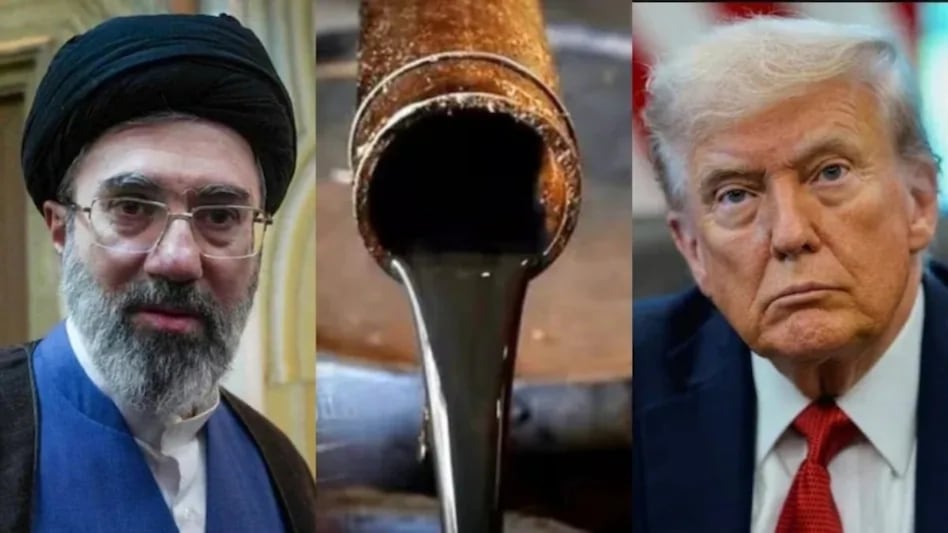
US-Iran war: Tehran expanded its attacks to Qatar and the United Arab Emirates after US strikes on Iran, and stated it had again closed the Strait of Hormuz. This came after US President Donald Trump said on Sunday that the strait remained open to commercial traffic. The re-escalation of the conflict pushed oil prices over the weekend marked by heavy missile and drone strikes between the United States and Iran.
Oil prices rose on Monday following the intensified attacks, raising concerns over energy shipments through the key waterway. Brent crude futures increased by $2.34, or 3.08%, to $78.35 by 2311 GMT, while US West Texas Intermediate crude gained $2.21, or 3.09%, to $73.62 a barrel.
Shiptracking data from Kpler showed only six vessels passed through the strait on Sunday, the lowest in five weeks.
Iran's strikes extended to Qatar, a mediator in ceasefire talks, and the United Arab Emirates, which reported engaging missiles and drones from Iran. US and Iranian forces also exchanged heavy attacks elsewhere, with Tehran targeting US facilities across Gulf states on Sunday.
US Central Command announced on X that it began launching additional strikes against Iran at 5 pm ET on Sunday to degrade Iran's ability to attack civilian mariners and commercial ships in the Strait of Hormuz. A spokesperson said US aircraft shot down an Iranian cruise missile and a one-way attack drone. President Trump described the weekend's strikes on Iran by saying, "We're beating them up."
DON'T MISS | 'India needs much larger oil reserves': Montek Singh Ahluwalia as Hormuz crisis returns
Iranian media reported missile attacks and explosions near the port cities of Sirik and Bandar Abbas, as well as Qeshm Island. Iran's foreign ministry condemned the "aggressive" US attacks and said talks with Oman on managing the strait and transit routes failed due to "overt and covert" U.S. pressure on Oman.
The renewed violence has cast doubt on the future of a US-Iran interim agreement signed last month to reopen the strait and end the war after 60 more days of negotiations. Trump has said he considers the ceasefire over but remains open to talks. Iran's top negotiator, Mohammad Baqer Qalibaf, posted on X that the era of one-sided deals is over and warned of consequences if promises are not kept.
US-Iran war: Tehran expanded its attacks to Qatar and the United Arab Emirates after US strikes on Iran, and stated it had again closed the Strait of Hormuz. This came after US President Donald Trump said on Sunday that the strait remained open to commercial traffic. The re-escalation of the conflict pushed oil prices over the weekend marked by heavy missile and drone strikes between the United States and Iran.
Oil prices rose on Monday following the intensified attacks, raising concerns over energy shipments through the key waterway. Brent crude futures increased by $2.34, or 3.08%, to $78.35 by 2311 GMT, while US West Texas Intermediate crude gained $2.21, or 3.09%, to $73.62 a barrel.
Shiptracking data from Kpler showed only six vessels passed through the strait on Sunday, the lowest in five weeks.
Iran's strikes extended to Qatar, a mediator in ceasefire talks, and the United Arab Emirates, which reported engaging missiles and drones from Iran. US and Iranian forces also exchanged heavy attacks elsewhere, with Tehran targeting US facilities across Gulf states on Sunday.
US Central Command announced on X that it began launching additional strikes against Iran at 5 pm ET on Sunday to degrade Iran's ability to attack civilian mariners and commercial ships in the Strait of Hormuz. A spokesperson said US aircraft shot down an Iranian cruise missile and a one-way attack drone. President Trump described the weekend's strikes on Iran by saying, "We're beating them up."
DON'T MISS | 'India needs much larger oil reserves': Montek Singh Ahluwalia as Hormuz crisis returns
Iranian media reported missile attacks and explosions near the port cities of Sirik and Bandar Abbas, as well as Qeshm Island. Iran's foreign ministry condemned the "aggressive" US attacks and said talks with Oman on managing the strait and transit routes failed due to "overt and covert" U.S. pressure on Oman.
The renewed violence has cast doubt on the future of a US-Iran interim agreement signed last month to reopen the strait and end the war after 60 more days of negotiations. Trump has said he considers the ceasefire over but remains open to talks. Iran's top negotiator, Mohammad Baqer Qalibaf, posted on X that the era of one-sided deals is over and warned of consequences if promises are not kept.