
US, Israel ships to be barred from entering Hormuz? Iranian panel reviews preliminary bill
US-Iran war: A proposed deal is in the works that could give Tehran control of inbound ships at the Strait of Hormuz.
- Aug 7, 2026,
- Updated Aug 7, 2026 8:16 AM IST
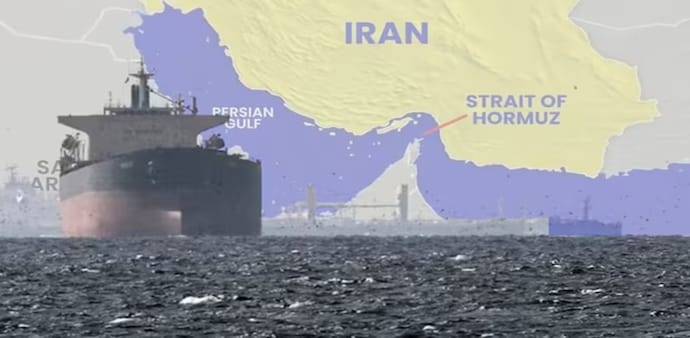
An Iranian parliamentary committee is reviewing a preliminary bill that would bar US, Israeli and other "hostile" vessels from transiting the Strait of Hormuz, according to Iran's semi-official Fars news agency, which cited a lawmaker. The draft bill proposes fines of up to 20% of a ship's cargo value for violations, while the legislation remains under expert review before finalisation.
The move follows Iran and Oman reaching an understanding on the geographic coordinates for a shipping route through the strait. The two countries are finalising a joint announcement, provided no third parties interfere. Meanwhile, Iran has warned Gulf states that any new US attack on its territory would trigger retaliation against critical energy infrastructure across the region, according to five sources.
The lawmaker cited by Fars said parliament invited specialists to submit recommendations before the draft is finalised. Separately, Iran's Foreign Ministry spokesperson Esmaeil Baghaei described negotiations between Tehran and Muscat as "professional" and "moving forward." He confirmed a mutual understanding on the geographical parameters of the route under discussion.
Baghaei added that if third parties do not obstruct the process, a joint statement outlining the main considerations and key points of understanding is in the final stages of review and drafting. He also noted that any agreement between Iran and Oman would not, by itself, guarantee security in the strategic waterway.
DON'T MISS | Hormuz power play: Iran's proposed 7% shipping toll could unlock $100 billion a year
A senior Iranian source and two regional officials told Reuters that the proposed deal would give Tehran control over ships entering the Gulf through the Strait of Hormuz, marking one of the biggest concessions yet to Iran. However, these sources pushed back against US President Donald Trump's claims that a deal to reopen the strait was imminent, saying important details still need agreement.
The warning to Gulf states came after Trump threatened on July 28 to strike Iran's energy network and infrastructure. Two senior Iranian officials, two Gulf sources and a senior regional diplomat said Iranian Foreign Minister Abbas Araqchi spoke with his Saudi, Turkish and Qatari counterparts, as well as Pakistan's army chief.
MUST READ | West Asia war: Trump says Strait of Hormuz deal could happen soon amid Iran-Oman talks
The diplomat said Araqchi urged Washington's Gulf allies to use their influence with Trump to dissuade him from launching renewed strikes. He warned that any attack on Iran would prompt retaliation against US assets and energy facilities across the Gulf.
The diplomat added that Araqchi's message was consistent in every conversation: "We're ready to retaliate, but finding a diplomatic solution is the best way to avoid wider escalation and destruction across the region."
An Iranian parliamentary committee is reviewing a preliminary bill that would bar US, Israeli and other "hostile" vessels from transiting the Strait of Hormuz, according to Iran's semi-official Fars news agency, which cited a lawmaker. The draft bill proposes fines of up to 20% of a ship's cargo value for violations, while the legislation remains under expert review before finalisation.
The move follows Iran and Oman reaching an understanding on the geographic coordinates for a shipping route through the strait. The two countries are finalising a joint announcement, provided no third parties interfere. Meanwhile, Iran has warned Gulf states that any new US attack on its territory would trigger retaliation against critical energy infrastructure across the region, according to five sources.
The lawmaker cited by Fars said parliament invited specialists to submit recommendations before the draft is finalised. Separately, Iran's Foreign Ministry spokesperson Esmaeil Baghaei described negotiations between Tehran and Muscat as "professional" and "moving forward." He confirmed a mutual understanding on the geographical parameters of the route under discussion.
Baghaei added that if third parties do not obstruct the process, a joint statement outlining the main considerations and key points of understanding is in the final stages of review and drafting. He also noted that any agreement between Iran and Oman would not, by itself, guarantee security in the strategic waterway.
DON'T MISS | Hormuz power play: Iran's proposed 7% shipping toll could unlock $100 billion a year
A senior Iranian source and two regional officials told Reuters that the proposed deal would give Tehran control over ships entering the Gulf through the Strait of Hormuz, marking one of the biggest concessions yet to Iran. However, these sources pushed back against US President Donald Trump's claims that a deal to reopen the strait was imminent, saying important details still need agreement.
The warning to Gulf states came after Trump threatened on July 28 to strike Iran's energy network and infrastructure. Two senior Iranian officials, two Gulf sources and a senior regional diplomat said Iranian Foreign Minister Abbas Araqchi spoke with his Saudi, Turkish and Qatari counterparts, as well as Pakistan's army chief.
MUST READ | West Asia war: Trump says Strait of Hormuz deal could happen soon amid Iran-Oman talks
The diplomat said Araqchi urged Washington's Gulf allies to use their influence with Trump to dissuade him from launching renewed strikes. He warned that any attack on Iran would prompt retaliation against US assets and energy facilities across the Gulf.
The diplomat added that Araqchi's message was consistent in every conversation: "We're ready to retaliate, but finding a diplomatic solution is the best way to avoid wider escalation and destruction across the region."