


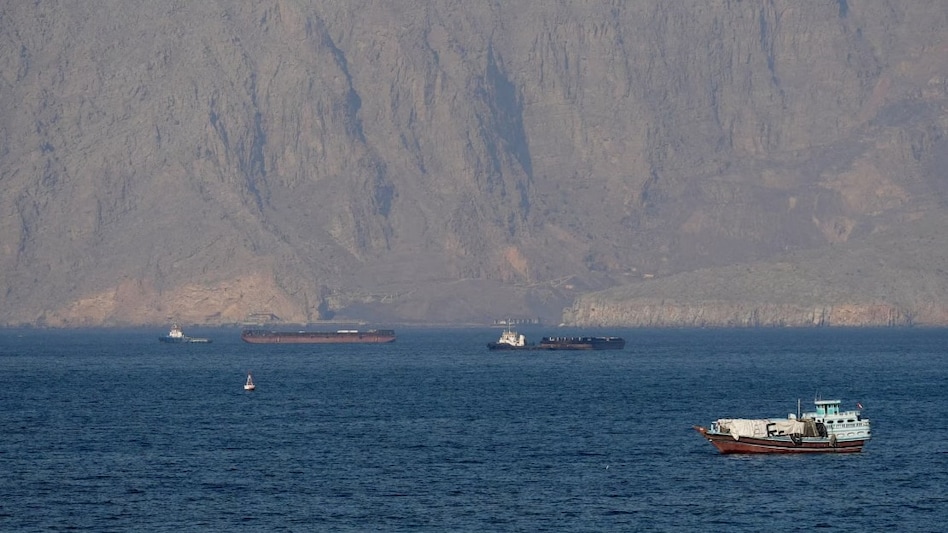
 Strait of Hormuz traffic could eventually be controlled by Iran, says report
US-Iran war: A proposed deal between Iran and Oman to help end five months of war between Iran and the United States could give Tehran control over ships entering the Gulf through the Strait of Hormuz, according to a report. If agreed, this would be a major change from the pre-war arrangement, when the strait was open to all ships without fees.
According to a report in Reuters that cited a senior Iranian source and two regional officials, the US is yet to comment on the proposal. While President Donald Trump has said a deal to reopen the strait is imminent, US officials have stated they would not agree to Iran controlling access to the route, which is vital for global energy trade. Important issues remain unresolved, the sources added.

 John Ternus teases ‘huge launch next week’ in first note as Apple CEO
 'US in almost total control of Hormuz Strait': Donald Trump after US military's 'wave of strikes' against Iranian bases
 'It will be game over': Elon Musk warns sustainable energy alone won't save humanity
 Poor storage, no regular cleaning schedule: Tukaram Mundhe's FDA suspends Akola Blinkit operator's license
 ITC Hotels shares in focus on completion of GHK Hospitality acquisition; key details
  Kotak’s Mid Cap & Flexi Cap Strategy: Where Should Investors Bet Now?
 India GDP Growth At 7.8%: What It Means For The Economy, Markets & You
 Sugar Stocks Under Pressure | Govt Tightens Dealer Stock Limits Till Nov 30
 Market Commentary: Where Is The Next Big Opportunity? | Asit Bhandarkar
 Daily Calls: Ask Your STOCK MARKET TODAY QUERIES | Market Update | Share Market News Today
 Coal India shares climb 4% in early trade; Nuvama upgrades stock to 'Hold', raises target
 ITC Hotels shares fall 3% amid completion of GHK Hospitality acquisition
 IRCTC, RVNL, IRFC, Jupiter Wagons: Railway stocks at fresh lows; cues that could support sentiment
  Rs 900 crore block deals: Pine Labs sees 3.1% stake change hands, Aster DM also sees block trade
 Bajaj Finance, Airtel, ICICI Bank, Varun Beverages among Axis Securities' top 15 stock picks; up to 40% upside seen
 If the economy is growing at 7.8%, why doesn’t PM Modi want us to travel abroad, buy gold? Sridhar Vembu explainsCoal India shares climb 4% in early trade; Nuvama upgrades stock to 'Hold', raises targetITC Hotels shares fall 3% amid completion of GHK Hospitality acquisition
 Huge cultural boost for Bihar: Centre approves NSD campus, state to bear 50% construction costIRCTC, RVNL, IRFC, Jupiter Wagons: Railway stocks at fresh lows; cues that could support sentiment












