
US strikes Iran's Bandar Abbas ground control facility, shoots down drones near Hormuz
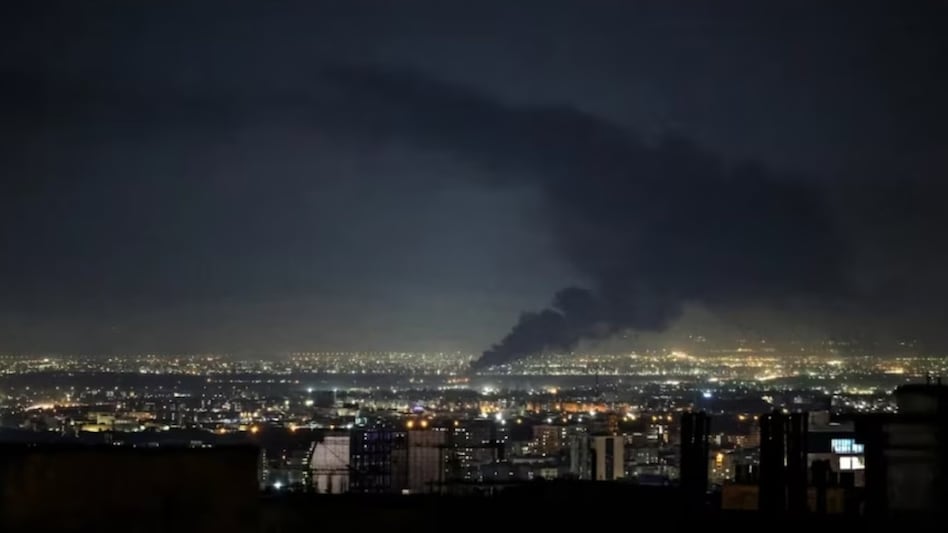
Explosions were heard near Bandar Abbas early Thursday. Iranian media reported at least three blasts east of the city around 1:30 am local time, followed by the activation of air defence systems for several minutes
- May 28, 2026,
- Updated May 28, 2026 7:42 AM IST
The United States has carried out another round of military strikes inside Iran, targeting a military ground control facility in Bandar Abbas near the Strait of Hormuz that Washington said was preparing to launch a fifth drone against American forces. The operation also involved the interception and downing of several Iranian drones allegedly threatening US personnel and vessels in the strategic waterway.
A US official, speaking on condition of anonymity, told Reuters the strike was aimed at countering security risks in the region. "These actions were measured, purely defensive, and intended to maintain the ceasefire," the official said.
Explosions were heard near Bandar Abbas early Thursday. Iranian media reported at least three blasts east of the city around 1:30 am local time, followed by the activation of air defence systems for several minutes.
A ceasefire in name only
The latest strikes are not the first this week. US Central Command had earlier described similar operations in southern Iran as "self-defence strikes" targeting missile launch sites and Iranian vessels allegedly attempting to deploy naval mines near the Strait of Hormuz. Iran subsequently accused Washington of repeatedly violating a nearly seven-week-old ceasefire through its military actions in the region.
The conflict began on February 28 following US and Israeli strikes on Iran and has since claimed thousands of lives while pushing global energy prices sharply higher. Negotiations between Washington and Tehran have yet to produce a formal agreement, with both sides continuing to send conflicting signals over a possible de-escalation framework.
The fabricated MOU
Wednesday brought another flashpoint, this time diplomatic rather than military. Iranian state television aired details of what it described as a draft understanding between the two sides, under which commercial shipping through the Strait of Hormuz would gradually return to pre-conflict levels within a month, and the US would scale back its military presence and lift what Tehran has characterised as a naval blockade.
Washington rejected the report within hours and with notable force. "This report from Iranian controlled media is not true and the MOU they 'released' is a complete fabrication. Nobody should believe what Iranian state media is putting out. FACTS MATTER," the White House posted on X.
Trump separately rejected an Iranian state media claim that Iran and Oman would jointly control shipping lanes in the strait under a new peace agreement, insisting the critical waterway would remain open.
The United States has carried out another round of military strikes inside Iran, targeting a military ground control facility in Bandar Abbas near the Strait of Hormuz that Washington said was preparing to launch a fifth drone against American forces. The operation also involved the interception and downing of several Iranian drones allegedly threatening US personnel and vessels in the strategic waterway.
A US official, speaking on condition of anonymity, told Reuters the strike was aimed at countering security risks in the region. "These actions were measured, purely defensive, and intended to maintain the ceasefire," the official said.
Explosions were heard near Bandar Abbas early Thursday. Iranian media reported at least three blasts east of the city around 1:30 am local time, followed by the activation of air defence systems for several minutes.
A ceasefire in name only
The latest strikes are not the first this week. US Central Command had earlier described similar operations in southern Iran as "self-defence strikes" targeting missile launch sites and Iranian vessels allegedly attempting to deploy naval mines near the Strait of Hormuz. Iran subsequently accused Washington of repeatedly violating a nearly seven-week-old ceasefire through its military actions in the region.
The conflict began on February 28 following US and Israeli strikes on Iran and has since claimed thousands of lives while pushing global energy prices sharply higher. Negotiations between Washington and Tehran have yet to produce a formal agreement, with both sides continuing to send conflicting signals over a possible de-escalation framework.
The fabricated MOU
Wednesday brought another flashpoint, this time diplomatic rather than military. Iranian state television aired details of what it described as a draft understanding between the two sides, under which commercial shipping through the Strait of Hormuz would gradually return to pre-conflict levels within a month, and the US would scale back its military presence and lift what Tehran has characterised as a naval blockade.
Washington rejected the report within hours and with notable force. "This report from Iranian controlled media is not true and the MOU they 'released' is a complete fabrication. Nobody should believe what Iranian state media is putting out. FACTS MATTER," the White House posted on X.
Trump separately rejected an Iranian state media claim that Iran and Oman would jointly control shipping lanes in the strait under a new peace agreement, insisting the critical waterway would remain open.