
West Asia war triggers energy crisis: Bangladesh shuts universities, Pakistan considers COVID-19-like curbs
Bangladesh and Pakistan have both moved to curb electricity and fuel consumption, pushing for austerity steps ranging from shutting universities to preparing remote-work policies
- Mar 9, 2026,
- Updated Mar 9, 2026 11:23 AM IST
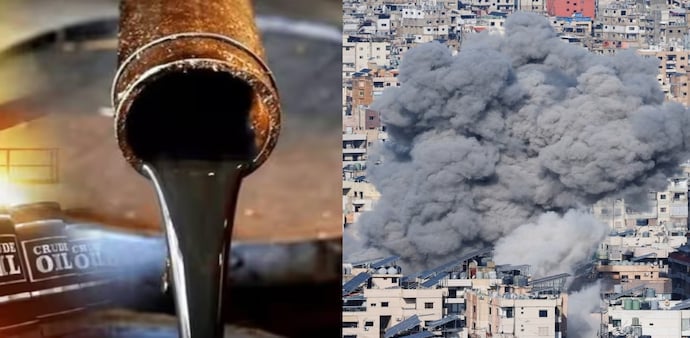
The war in West Asia is now disrupting global energy flows and driving up fuel prices. In the wake of this, the governments across South Asia are beginning to impose emergency conservation measures to shield their economies from supply shocks.
Bangladesh and Pakistan have both moved to curb electricity and fuel consumption, pushing for austerity steps ranging from shutting universities to preparing remote-work policies as the conflict threatens energy imports and power stability.
Bangladesh shuts universities to cut power demand
Bangladesh has ordered all public and private universities to close from Monday, bringing forward Eid al-Fitr holidays as part of a nationwide effort to conserve electricity and fuel, according to Reuters.
Officials said the decision will reduce energy consumption across campuses while also easing traffic congestion, which contributes to fuel wastage.
University campuses consume large volumes of electricity to operate residential halls, classrooms, laboratories and air conditioning systems. Authorities believe the temporary shutdown will ease pressure on the country’s already strained power system.
The move comes as Bangladesh faces mounting uncertainty over fuel and gas supplies following disruptions to global energy markets caused by the ongoing conflict in the Middle East.
The country relies heavily on imports, with roughly 95 per cent of its energy needs coming from overseas supplies.
Fuel curbs and gas shortages deepen crisis
The government has already imposed daily limits on fuel sales following panic buying and stockpiling, which triggered concerns about supply stability.
Authorities have also asked foreign-curriculum schools and private coaching centres to suspend operations during the period to further limit electricity consumption.
Gas shortages have begun to ripple across key sectors of the economy. Four of Bangladesh’s five state-run fertiliser factories have been forced to halt operations, with available gas diverted to power plants to avoid widespread outages.
Meanwhile, the country has been purchasing liquefied natural gas (LNG) from the spot market at sharply higher prices while seeking additional cargoes to plug supply gaps.
“We are doing everything we can to reduce consumption and ensure stability in power, fuel and import supplies,” a senior energy ministry official said.
Pakistan prepares national energy conservation plan
In neighbouring Pakistan, the government is preparing to introduce a nationwide energy conservation strategy aimed at reducing demand for imported petroleum products and re-liquefied natural gas (RLNG).
According to a report by the Pakistan-based English-language daily The Express Tribune, the federal government has finalised a phased plan that will be reviewed at an emergency meeting chaired by Prime Minister Shehbaz Sharif.
The plan has been drafted amid fears that disruptions around the Strait of Hormuz and rising geopolitical tensions could trigger a broader energy crisis.
Officials have proposed reintroducing several austerity and energy-saving measures that were implemented during the COVID-19 pandemic.
Work-from-home and online classes proposed
The proposals include work-from-home arrangements for corporate offices and private institutions, as well as online classes for educational institutions.
Government meetings are expected to be held virtually, while attendance in government offices may be limited except for the health sector.
Authorities are also considering increasing public holidays during the first phase of the plan to reduce energy consumption.
Officials said the strategy would be implemented in three phases, beginning with energy-saving measures in the public sector before extending remote work and online systems to private schools, universities and hospitals.
At the same time, the government plans to crack down on the hoarding and smuggling of petrol and diesel.
Under the proposed strategy, LNG, LPG and natural gas supplies will be prioritised for essential sectors.
The war in West Asia is now disrupting global energy flows and driving up fuel prices. In the wake of this, the governments across South Asia are beginning to impose emergency conservation measures to shield their economies from supply shocks.
Bangladesh and Pakistan have both moved to curb electricity and fuel consumption, pushing for austerity steps ranging from shutting universities to preparing remote-work policies as the conflict threatens energy imports and power stability.
Bangladesh shuts universities to cut power demand
Bangladesh has ordered all public and private universities to close from Monday, bringing forward Eid al-Fitr holidays as part of a nationwide effort to conserve electricity and fuel, according to Reuters.
Officials said the decision will reduce energy consumption across campuses while also easing traffic congestion, which contributes to fuel wastage.
University campuses consume large volumes of electricity to operate residential halls, classrooms, laboratories and air conditioning systems. Authorities believe the temporary shutdown will ease pressure on the country’s already strained power system.
The move comes as Bangladesh faces mounting uncertainty over fuel and gas supplies following disruptions to global energy markets caused by the ongoing conflict in the Middle East.
The country relies heavily on imports, with roughly 95 per cent of its energy needs coming from overseas supplies.
Fuel curbs and gas shortages deepen crisis
The government has already imposed daily limits on fuel sales following panic buying and stockpiling, which triggered concerns about supply stability.
Authorities have also asked foreign-curriculum schools and private coaching centres to suspend operations during the period to further limit electricity consumption.
Gas shortages have begun to ripple across key sectors of the economy. Four of Bangladesh’s five state-run fertiliser factories have been forced to halt operations, with available gas diverted to power plants to avoid widespread outages.
Meanwhile, the country has been purchasing liquefied natural gas (LNG) from the spot market at sharply higher prices while seeking additional cargoes to plug supply gaps.
“We are doing everything we can to reduce consumption and ensure stability in power, fuel and import supplies,” a senior energy ministry official said.
Pakistan prepares national energy conservation plan
In neighbouring Pakistan, the government is preparing to introduce a nationwide energy conservation strategy aimed at reducing demand for imported petroleum products and re-liquefied natural gas (RLNG).
According to a report by the Pakistan-based English-language daily The Express Tribune, the federal government has finalised a phased plan that will be reviewed at an emergency meeting chaired by Prime Minister Shehbaz Sharif.
The plan has been drafted amid fears that disruptions around the Strait of Hormuz and rising geopolitical tensions could trigger a broader energy crisis.
Officials have proposed reintroducing several austerity and energy-saving measures that were implemented during the COVID-19 pandemic.
Work-from-home and online classes proposed
The proposals include work-from-home arrangements for corporate offices and private institutions, as well as online classes for educational institutions.
Government meetings are expected to be held virtually, while attendance in government offices may be limited except for the health sector.
Authorities are also considering increasing public holidays during the first phase of the plan to reduce energy consumption.
Officials said the strategy would be implemented in three phases, beginning with energy-saving measures in the public sector before extending remote work and online systems to private schools, universities and hospitals.
At the same time, the government plans to crack down on the hoarding and smuggling of petrol and diesel.
Under the proposed strategy, LNG, LPG and natural gas supplies will be prioritised for essential sectors.