
‘You’ll do away with the choke points forever…’: Netanyahu says oil, gas should flow through Israel after Iran
Iran war: Netanyahu made the remarks a day after Israel attacked Iran's main gas field, escalating the ongoing conflict between the two countries.
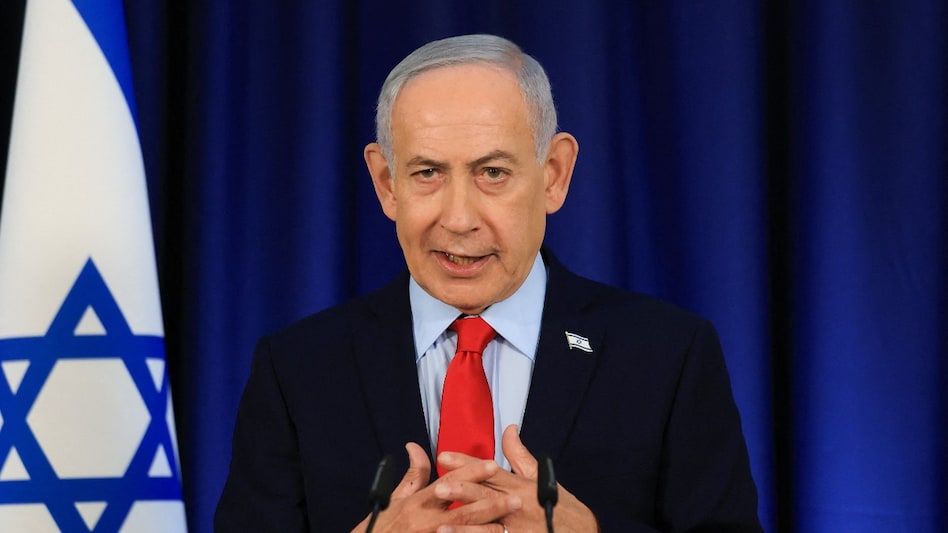
- Mar 20, 2026,
- Updated Mar 20, 2026 8:02 AM IST
Israeli Prime Minister Benjamin Netanyahu said oil and gas should flow through Israel after Iran, proposing pipelines across the Arabian Peninsula to Israeli ports. He suggested this would avoid threats posed by Iran in the Strait of Hormuz and other Gulf waters.
"Just have oil pipelines, gas pipelines, going west through the Arabian Peninsula, right up to Israel, right up to our Mediterranean ports and you've just done away with the choke points forever," Netanyahu said. He described this as a significant change that could follow the current conflict.
Netanyahu made the remarks a day after Israel attacked Iran's main gas field, escalating the ongoing conflict between the two countries.
Addressing questions about the South Pars gas field attack, Netanyahu said Israel acted alone. He added that President Donald Trump had asked Israel to hold off on future strikes.
Trump has faced political pressure over rising fuel prices and criticised allies who have been cautious about securing the Strait of Hormuz, a key route for global oil supplies. Netanyahu indicated that alternative routes to Hormuz would be necessary, implying a potential advantage for Israel if the strait remains closed.
Netanyahu also stated that after 20 days of war, Iran lacks the ability to enrich uranium or produce missiles. However, the head of the International Atomic Energy Agency, Rafael Grossi, said much of Iran's nuclear enrichment capabilities remain intact.
The conflict has involved Iranian missile and drone attacks on Israel and Gulf countries. Netanyahu said Israel aims not only to destroy Iran's remaining ballistic missiles and nuclear programme but also the industries supporting them.
Regarding the possibility of a ground operation in Iran, Netanyahu said it was too soon to tell if Iranians would rise against their government. He indicated that overthrowing the regime would require more than air strikes and hinted at the potential for ground action, without giving details.
Israeli Prime Minister Benjamin Netanyahu said oil and gas should flow through Israel after Iran, proposing pipelines across the Arabian Peninsula to Israeli ports. He suggested this would avoid threats posed by Iran in the Strait of Hormuz and other Gulf waters.
"Just have oil pipelines, gas pipelines, going west through the Arabian Peninsula, right up to Israel, right up to our Mediterranean ports and you've just done away with the choke points forever," Netanyahu said. He described this as a significant change that could follow the current conflict.
Netanyahu made the remarks a day after Israel attacked Iran's main gas field, escalating the ongoing conflict between the two countries.
Addressing questions about the South Pars gas field attack, Netanyahu said Israel acted alone. He added that President Donald Trump had asked Israel to hold off on future strikes.
Trump has faced political pressure over rising fuel prices and criticised allies who have been cautious about securing the Strait of Hormuz, a key route for global oil supplies. Netanyahu indicated that alternative routes to Hormuz would be necessary, implying a potential advantage for Israel if the strait remains closed.
Netanyahu also stated that after 20 days of war, Iran lacks the ability to enrich uranium or produce missiles. However, the head of the International Atomic Energy Agency, Rafael Grossi, said much of Iran's nuclear enrichment capabilities remain intact.
The conflict has involved Iranian missile and drone attacks on Israel and Gulf countries. Netanyahu said Israel aims not only to destroy Iran's remaining ballistic missiles and nuclear programme but also the industries supporting them.
Regarding the possibility of a ground operation in Iran, Netanyahu said it was too soon to tell if Iranians would rise against their government. He indicated that overthrowing the regime would require more than air strikes and hinted at the potential for ground action, without giving details.