
US H-1B visa shake-up fuels anti-Indian sentiment across corporate America
From February, the rules are set to tighten further. Authorities will increasingly prioritise Level-IV H-1B applicants — the highest wage category — making it far harder for mid-level professionals to qualify.
- Jan 15, 2026,
- Updated Jan 15, 2026 10:02 PM IST
A recent overhaul of the United States’ skilled-worker visa system has triggered a sharp rise in online hostility toward Indian professionals and Indian-owned businesses, according to experts quoted by the Financial Times. The backlash has intensified since policy changes introduced by the Trump administration in September significantly reshaped the H-1B visa programme.
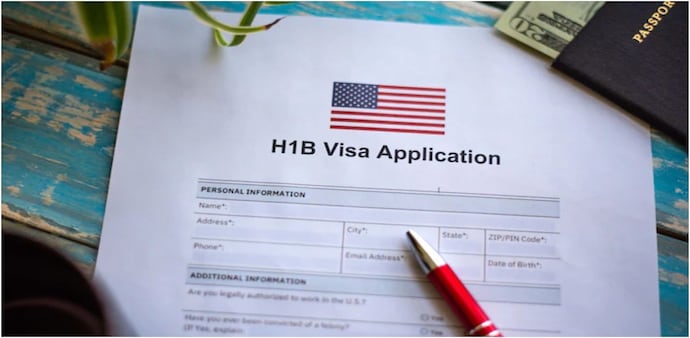
The H-1B visa, widely used by US companies to hire foreign professionals in specialised roles, now comes with far steeper barriers. Under the revised framework, applicants face an application fee of $100,000 — up from a few thousand dollars earlier — and a new wage-based selection system.
Instead of a lottery, visas are now awarded based on salary levels, with higher-paid roles taking priority. The administration has argued that the changes are meant to “protect American workers” by discouraging companies from hiring cheaper foreign labour.
From February, the rules are set to tighten further. Authorities will increasingly prioritise Level-IV H-1B applicants — the highest wage category — making it far harder for mid-level professionals to qualify.
How did corporations get drawn into the controversy?
Several major US companies, including FedEx, Walmart and Verizon, have faced waves of online harassment. Social media users have accused them — without evidence — of illegally “selling jobs” to Indian workers.
Tensions escalated ahead of Christmas after a video of a damaged FedEx truck went viral. The footage prompted abusive posts aimed at FedEx CEO Raj Subramaniam, who is of Indian origin. Some comments called for an end to what they described as an “Indian takeover” of American companies.
Right-wing commentators, including Andrew Torba, founder of the social media platform Gab, claimed that Subramaniam was laying off white American workers and replacing them with Indians — allegations FedEx has categorically denied.
In a statement, FedEx said its hiring decisions are based strictly on merit. “For more than 50 years, FedEx has fostered a merit-based culture that creates opportunity for everyone,” the company said, adding that its workforce reflects the global nature of its operations.
Why are Indian professionals at the centre of the backlash?
Indians account for the largest share of H-1B visa holders, particularly in sectors such as technology, healthcare, engineering and research. Even as restrictions grow tighter, US firms continue to recruit Indian talent to fill roles where domestic workers are in short supply.
Experts say this combination — continued demand for Indian professionals alongside tougher visa rules — has fuelled resentment and misinformation online.
According to Raqib Naik, executive director of the Center for the Study of Organised Hate, Indian Americans have increasingly been portrayed as “job stealers and visa scammers.” He noted that some of the abuse appears to be coordinated, with Indian American entrepreneurs who received loans from the government-backed Small Business Administration becoming specific targets.
The backlash is unfolding amid a wider shift in corporate America. Over the past year, dozens of firms have scaled back or paused diversity, equity and inclusion (DEI) initiatives following criticism from conservative groups who argue such programmes disadvantage white Americans.
A recent overhaul of the United States’ skilled-worker visa system has triggered a sharp rise in online hostility toward Indian professionals and Indian-owned businesses, according to experts quoted by the Financial Times. The backlash has intensified since policy changes introduced by the Trump administration in September significantly reshaped the H-1B visa programme.
The H-1B visa, widely used by US companies to hire foreign professionals in specialised roles, now comes with far steeper barriers. Under the revised framework, applicants face an application fee of $100,000 — up from a few thousand dollars earlier — and a new wage-based selection system.
Instead of a lottery, visas are now awarded based on salary levels, with higher-paid roles taking priority. The administration has argued that the changes are meant to “protect American workers” by discouraging companies from hiring cheaper foreign labour.
From February, the rules are set to tighten further. Authorities will increasingly prioritise Level-IV H-1B applicants — the highest wage category — making it far harder for mid-level professionals to qualify.
How did corporations get drawn into the controversy?
Several major US companies, including FedEx, Walmart and Verizon, have faced waves of online harassment. Social media users have accused them — without evidence — of illegally “selling jobs” to Indian workers.
Tensions escalated ahead of Christmas after a video of a damaged FedEx truck went viral. The footage prompted abusive posts aimed at FedEx CEO Raj Subramaniam, who is of Indian origin. Some comments called for an end to what they described as an “Indian takeover” of American companies.
Right-wing commentators, including Andrew Torba, founder of the social media platform Gab, claimed that Subramaniam was laying off white American workers and replacing them with Indians — allegations FedEx has categorically denied.
In a statement, FedEx said its hiring decisions are based strictly on merit. “For more than 50 years, FedEx has fostered a merit-based culture that creates opportunity for everyone,” the company said, adding that its workforce reflects the global nature of its operations.
Why are Indian professionals at the centre of the backlash?
Indians account for the largest share of H-1B visa holders, particularly in sectors such as technology, healthcare, engineering and research. Even as restrictions grow tighter, US firms continue to recruit Indian talent to fill roles where domestic workers are in short supply.
Experts say this combination — continued demand for Indian professionals alongside tougher visa rules — has fuelled resentment and misinformation online.
According to Raqib Naik, executive director of the Center for the Study of Organised Hate, Indian Americans have increasingly been portrayed as “job stealers and visa scammers.” He noted that some of the abuse appears to be coordinated, with Indian American entrepreneurs who received loans from the government-backed Small Business Administration becoming specific targets.
The backlash is unfolding amid a wider shift in corporate America. Over the past year, dozens of firms have scaled back or paused diversity, equity and inclusion (DEI) initiatives following criticism from conservative groups who argue such programmes disadvantage white Americans.