
Waterloo hoax: How one Rothschild myth built centuries of conspiracy
A centuries-old myth claims the Rothschilds profited from Waterloo’s chaos. Though debunked, this tale helped fuel antisemitic conspiracies and modern financial paranoia.
- Sep 5, 2025,
- Updated Sep 5, 2025 4:29 PM IST
- 1/9
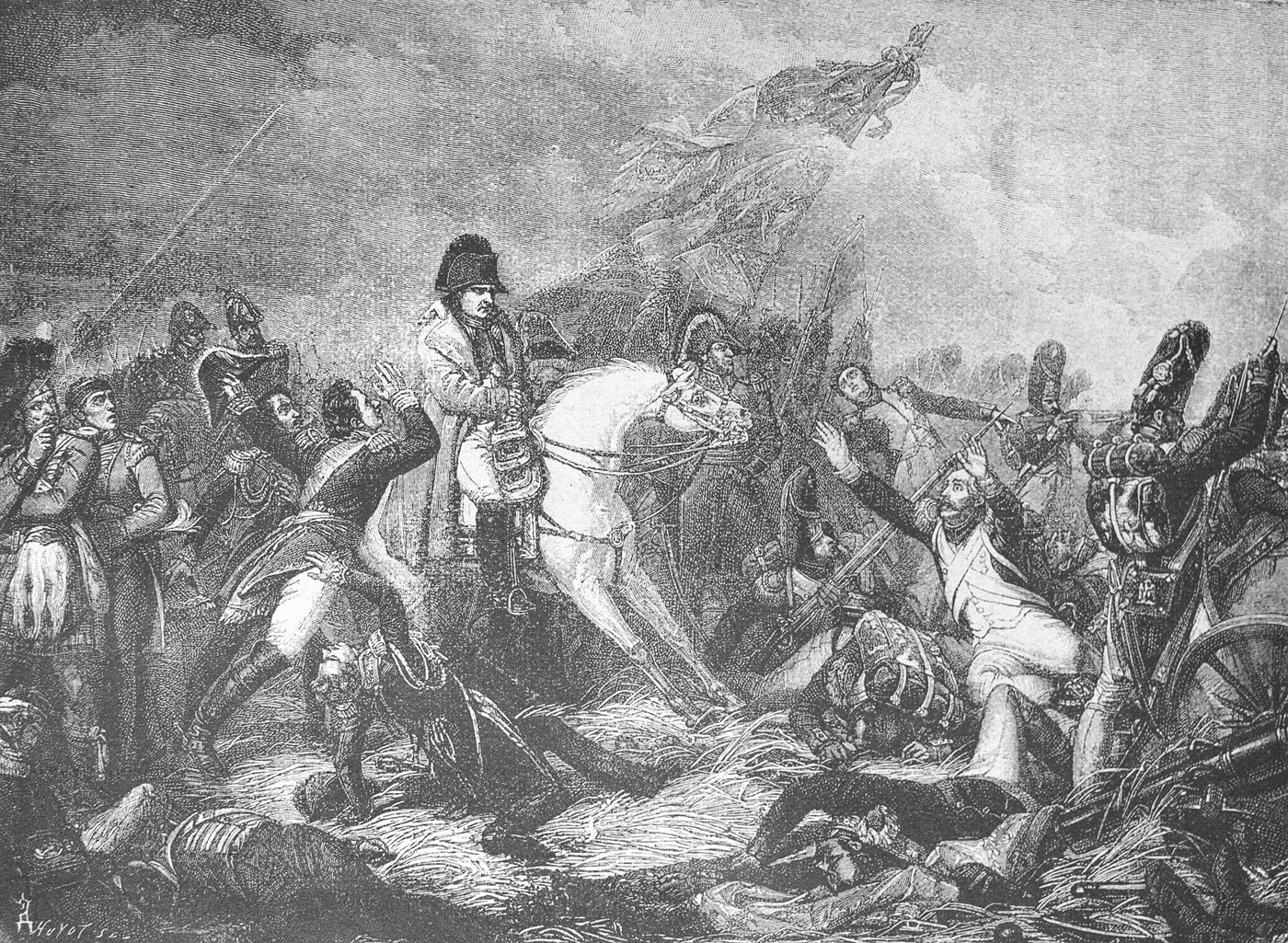
One false rumor from 1815 still echoes: that Nathan Rothschild made millions by exploiting the chaos after Waterloo. Historians call it bunk—but the myth built an empire of suspicion.
- 2/9
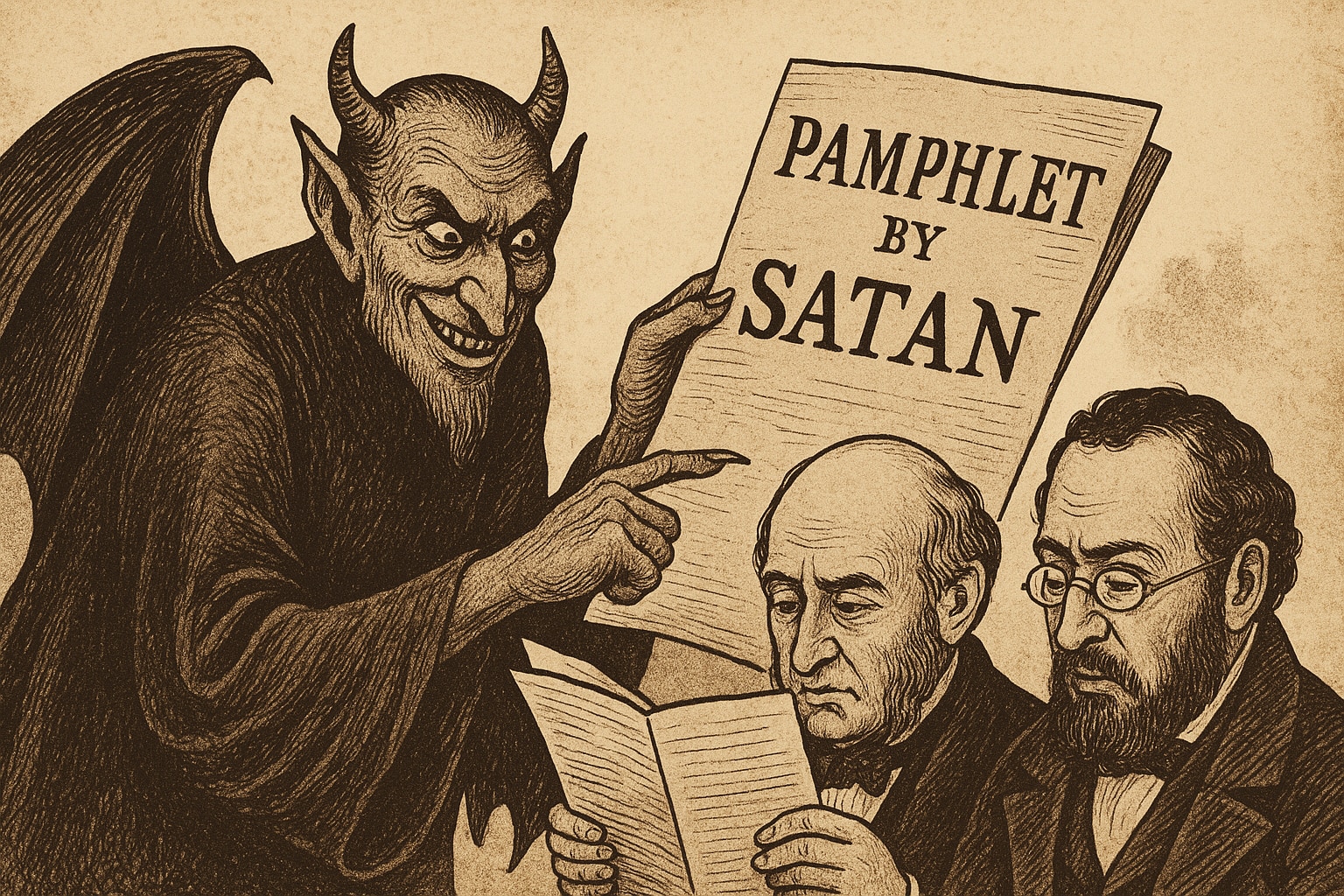
In 1846, a writer using the pen name “Satan” published a venomous tract linking the Rothschilds to manipulation, profit, and war. That pamphlet helped spawn two centuries of conspiracy.
- 3/9
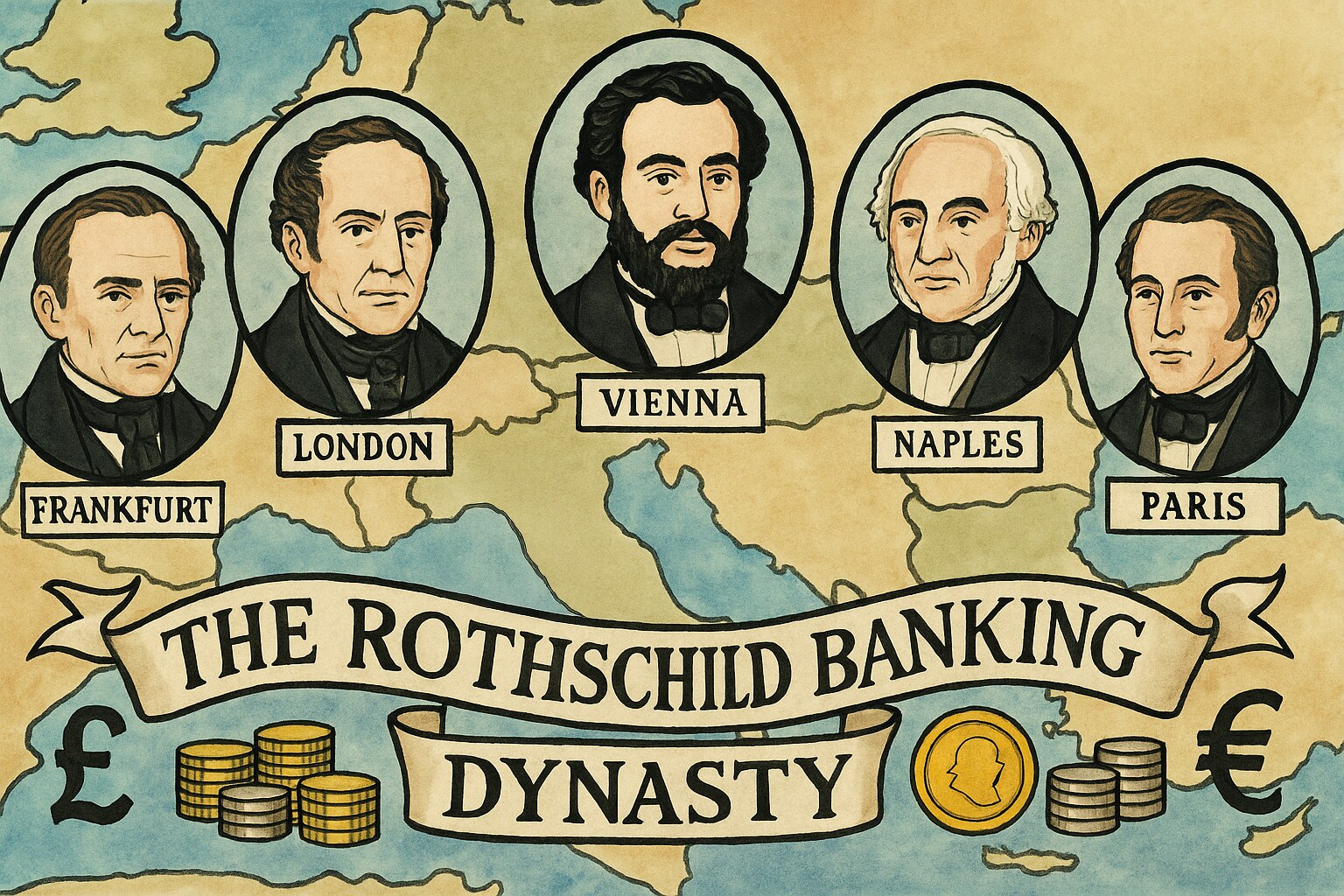
Five brothers. Five cities. One goal: control the arteries of European finance. The Rothschild strategy was real—and revolutionary. But did it plant the seeds for modern financial paranoia?

- 4/9
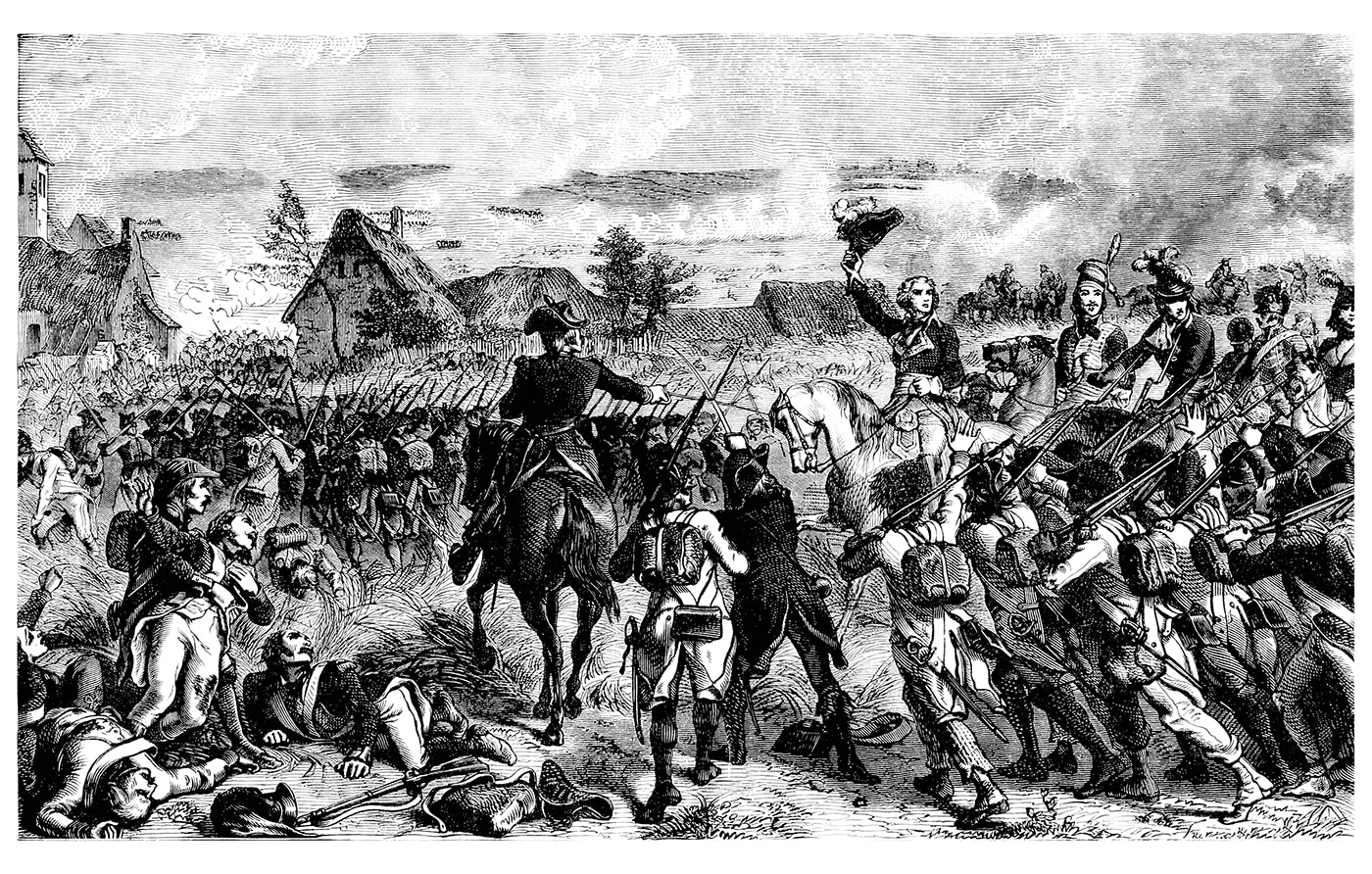
Horseback riders with sealed letters beat Napoleon’s own messengers. The Rothschilds’ courier system was faster than governments—and far more secretive. Coincidence or calculated dominance?
- 5/9
They turned war bonds into wealth, empire debt into leverage. While others saw chaos, the Rothschilds saw opportunity. But does financial brilliance always breed distrust?
- 6/9
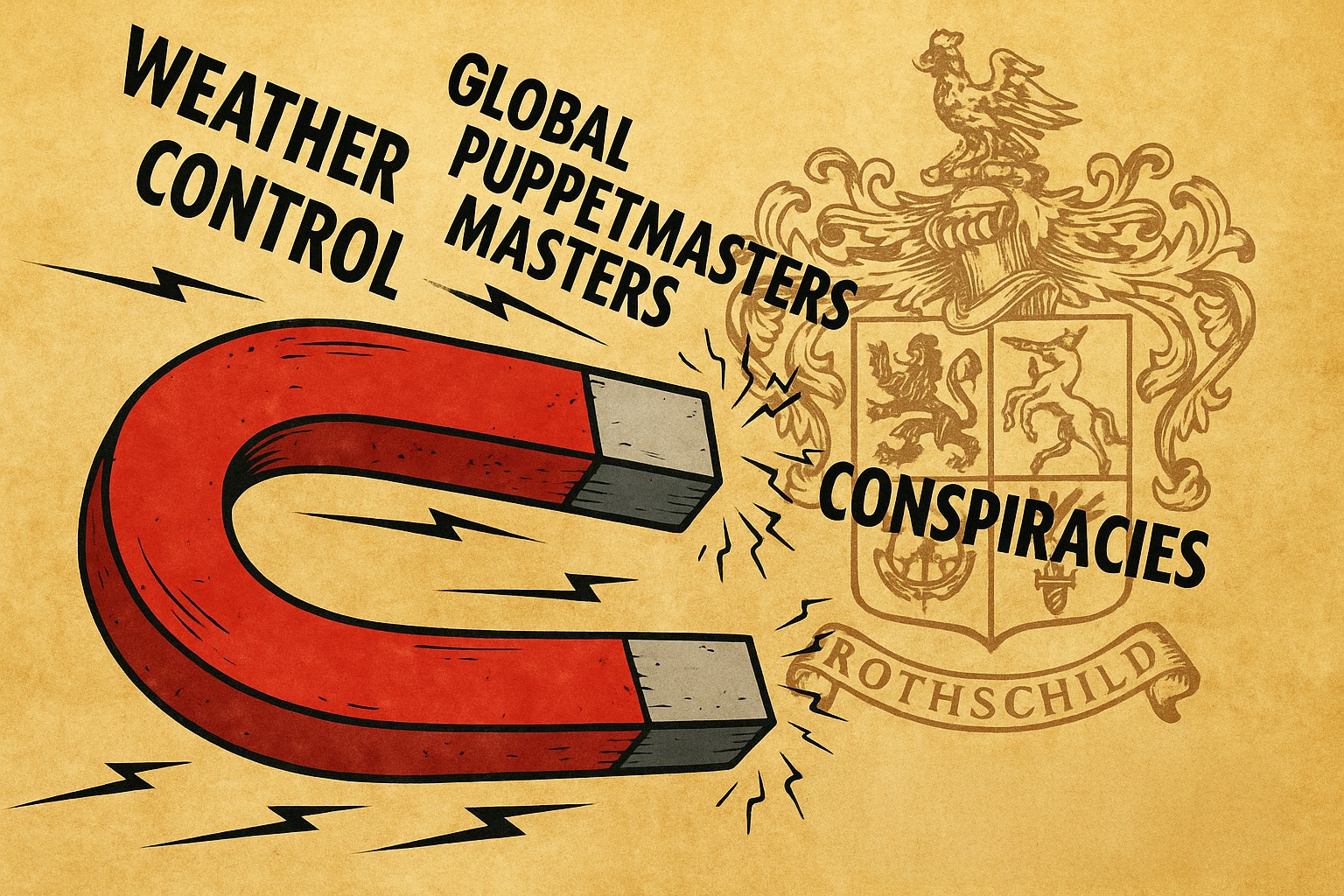
From weather control to global puppetmasters, few families have attracted more conspiracies. Why them? Race, wealth, secrecy—and an enduring appetite for hidden villains.
- 7/9
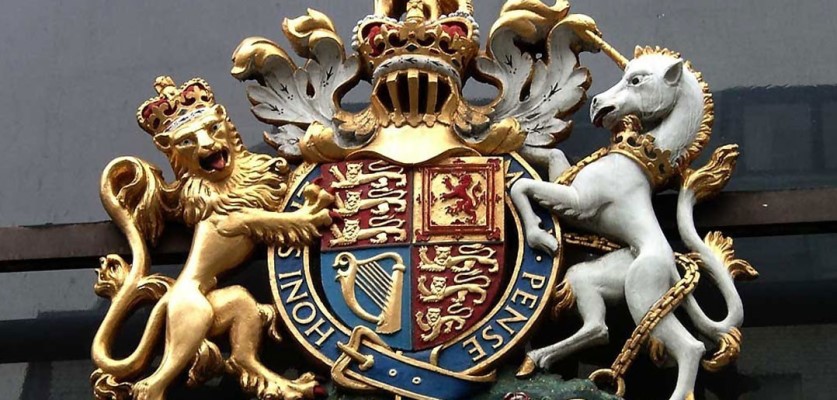
Today, the Rothschilds are less visible, more diversified—and still wildly misunderstood. Is their quiet retreat from public life fueling even darker modern fantasies?
- 8/9
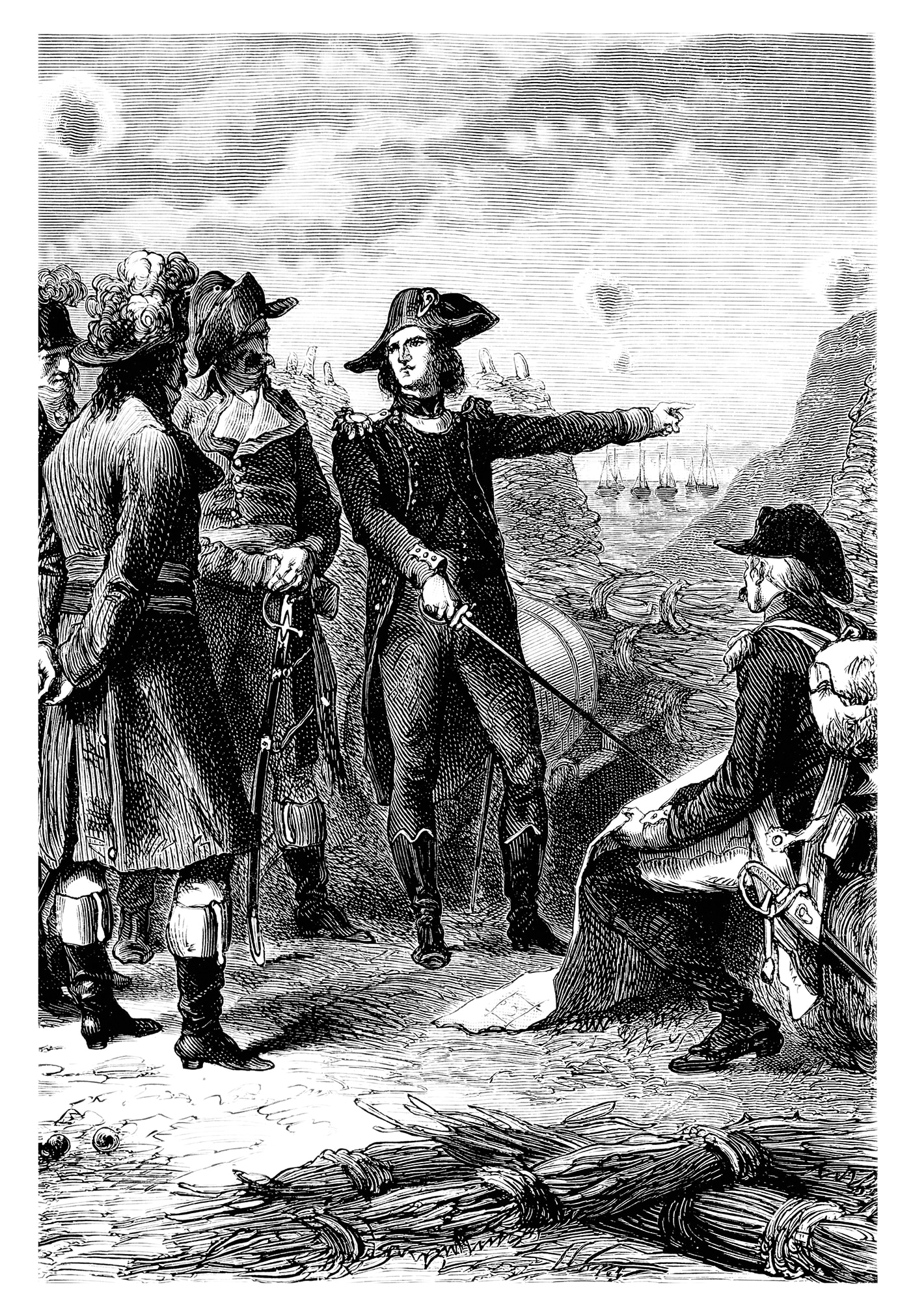
Scratch most Rothschild conspiracies and you'll find old hatreds underneath. Experts say the myth isn't just wrong—it's dangerous. So why does it keep mutating online?
- 9/9
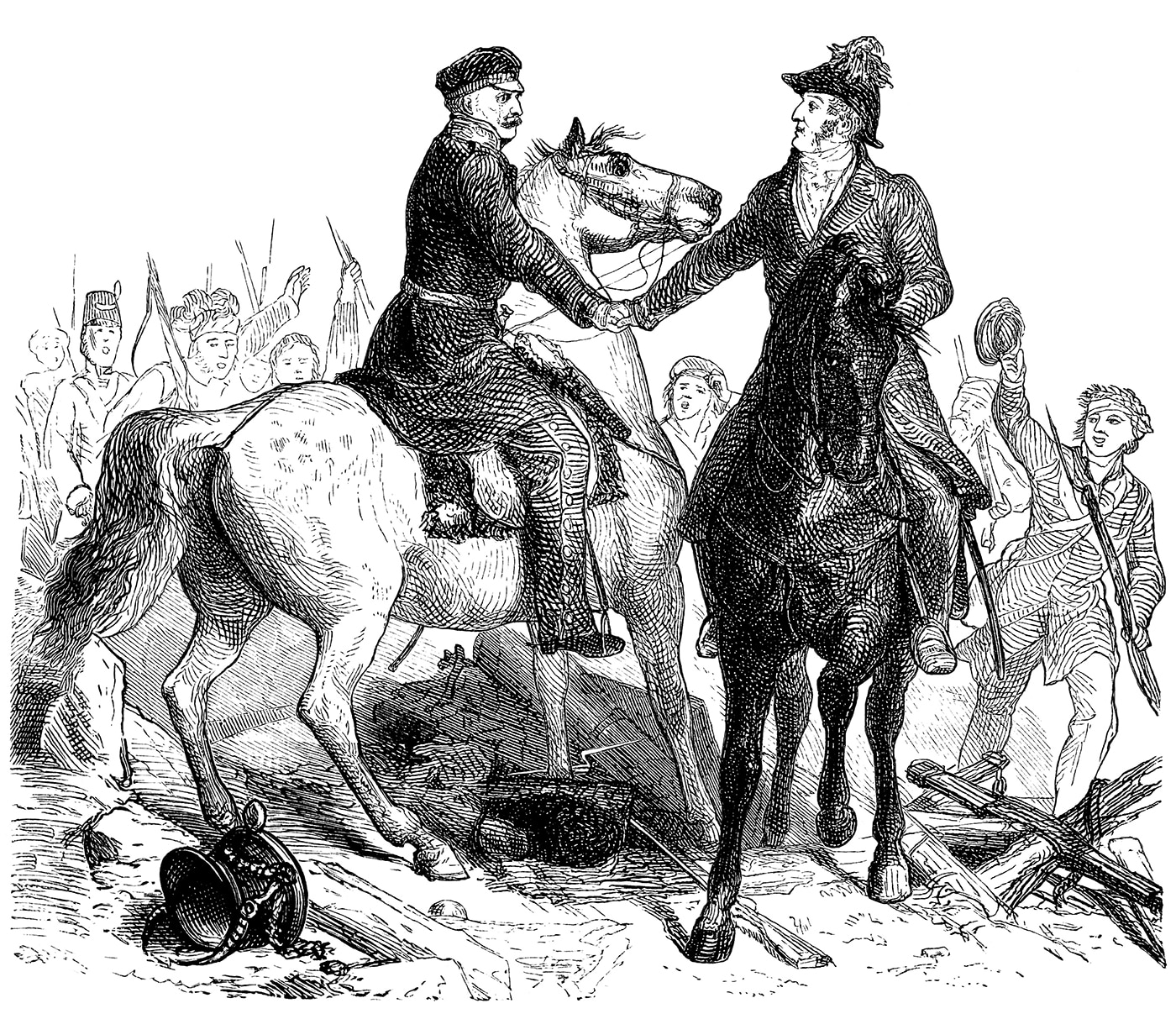
No evidence, no documents, no data—but the Rothschild myth thrives on the absence. When facts fail to fascinate, fiction steps in. And it spreads faster than ever.