
After E20, focus shifts to flex fuel vehicles in India
Vikram Gulati said all clean technology options are something that the consumer is going to adopt much faster in the future.
- Apr 9, 2026,
- Updated Apr 9, 2026 10:46 AM IST
India’s clean mobility transition is gradually expanding beyond electric vehicles, with ethanol and flex fuel technologies gaining attention as part of the broader shift towards cleaner powertrains.
Speaking to Business Today, Vikram Gulati, country head and executive vice president for corporate affairs at Toyota Kirloskar Motor, said the auto sector has seen “phenomenal growth” across segments following GST reforms, even as the industry begins to pivot towards cleaner technologies.
“EVs are taking off, but it differs segment-wise. Three-wheelers and two-wheelers are seeing the fastest growth, followed by passenger vehicles,” he said. At the same time, Gulati emphasised that the transition will not be limited to electrification alone. “Going forward, all clean technology options are something that the consumer is going to adopt much faster.”
He added that both battery electric vehicles and hybrids are witnessing strong demand, with “strong hybrids” offering greater flexibility to consumers. “The change will be towards cleaner powertrains,” he noted.
Alongside this shift, ethanol is emerging as a key pillar in India’s strategy. Gulati highlighted that ethanol not only reduces dependence on fossil fuel imports but also creates additional income streams for farmers. The government has already saved nearly ₹1.45 lakh crore through reduced crude imports, he said.
DON'T MISS | Explained: Why is India moving to RON 95 alongside E20 petrol?
The push gains added relevance amid ongoing volatility in global oil markets linked to tensions in West Asia, which continue to underline India’s reliance on imported energy.
India has already achieved E20 (20 per cent ethanol blending), and according to Gulati, supply conditions remain supportive for further expansion. “There is sufficient surplus ethanol available in the country, perhaps to the next 10% mix that can happen,” he said.
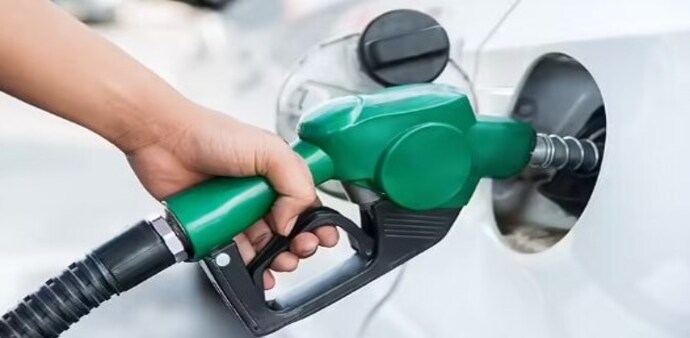
This has brought flex fuel vehicles into sharper focus. These vehicles are designed to run on varying blends of petrol and ethanol, and are being seen as a natural extension of the ethanol blending programme.
Drawing a global comparison, Gulati pointed to Brazil as a mature example. “In Brazil, for instance, they have an E27 regulation, and because they have flex fuel vehicles in the market, their national average blending is 55 per cent, so all of the gasoline that is used in the country is only 45 per cent, while 55 per cent is their indigenous ethanol,” he said.
In India, the industry has begun laying the groundwork. “All four-wheeler OEMs as well as two-wheeler OEMs have shown at least one prototype. The industry is ready, but the CAFE regulations need to be announced quickly,” Gulati said, adding that policy enablers will be important for consumers to adopt flex fuel vehicles and ethanol-based fuels.
He noted that the government is positive towards adopting flex fuel vehicle technology, but stressed the need for timely regulatory clarity. “It is very critical for CAFE 3 norms to come into effect as per timeline to get low carbon technology in India,” he said.
Gulati also underlined the need for a balanced policy approach across technologies. “All clean powertrains should get proportionate support from the government. Consumers should get access to clean technology at preferential taxation rates compared to petrol or diesel,” he said.
As India builds on its ethanol blending programme, flex fuel vehicles are emerging as an additional pathway within the clean mobility mix. With early groundwork in place and policy discussions underway, the coming years are likely to determine how this segment evolves.
India’s clean mobility transition is gradually expanding beyond electric vehicles, with ethanol and flex fuel technologies gaining attention as part of the broader shift towards cleaner powertrains.
Speaking to Business Today, Vikram Gulati, country head and executive vice president for corporate affairs at Toyota Kirloskar Motor, said the auto sector has seen “phenomenal growth” across segments following GST reforms, even as the industry begins to pivot towards cleaner technologies.
“EVs are taking off, but it differs segment-wise. Three-wheelers and two-wheelers are seeing the fastest growth, followed by passenger vehicles,” he said. At the same time, Gulati emphasised that the transition will not be limited to electrification alone. “Going forward, all clean technology options are something that the consumer is going to adopt much faster.”
He added that both battery electric vehicles and hybrids are witnessing strong demand, with “strong hybrids” offering greater flexibility to consumers. “The change will be towards cleaner powertrains,” he noted.
Alongside this shift, ethanol is emerging as a key pillar in India’s strategy. Gulati highlighted that ethanol not only reduces dependence on fossil fuel imports but also creates additional income streams for farmers. The government has already saved nearly ₹1.45 lakh crore through reduced crude imports, he said.
DON'T MISS | Explained: Why is India moving to RON 95 alongside E20 petrol?
The push gains added relevance amid ongoing volatility in global oil markets linked to tensions in West Asia, which continue to underline India’s reliance on imported energy.
India has already achieved E20 (20 per cent ethanol blending), and according to Gulati, supply conditions remain supportive for further expansion. “There is sufficient surplus ethanol available in the country, perhaps to the next 10% mix that can happen,” he said.
This has brought flex fuel vehicles into sharper focus. These vehicles are designed to run on varying blends of petrol and ethanol, and are being seen as a natural extension of the ethanol blending programme.
Drawing a global comparison, Gulati pointed to Brazil as a mature example. “In Brazil, for instance, they have an E27 regulation, and because they have flex fuel vehicles in the market, their national average blending is 55 per cent, so all of the gasoline that is used in the country is only 45 per cent, while 55 per cent is their indigenous ethanol,” he said.
In India, the industry has begun laying the groundwork. “All four-wheeler OEMs as well as two-wheeler OEMs have shown at least one prototype. The industry is ready, but the CAFE regulations need to be announced quickly,” Gulati said, adding that policy enablers will be important for consumers to adopt flex fuel vehicles and ethanol-based fuels.
He noted that the government is positive towards adopting flex fuel vehicle technology, but stressed the need for timely regulatory clarity. “It is very critical for CAFE 3 norms to come into effect as per timeline to get low carbon technology in India,” he said.
Gulati also underlined the need for a balanced policy approach across technologies. “All clean powertrains should get proportionate support from the government. Consumers should get access to clean technology at preferential taxation rates compared to petrol or diesel,” he said.
As India builds on its ethanol blending programme, flex fuel vehicles are emerging as an additional pathway within the clean mobility mix. With early groundwork in place and policy discussions underway, the coming years are likely to determine how this segment evolves.