


 As a result, the mileage impact of ethanol blending may move closer to its expected theoretical levels rather than the sharper drop some users reported earlier.
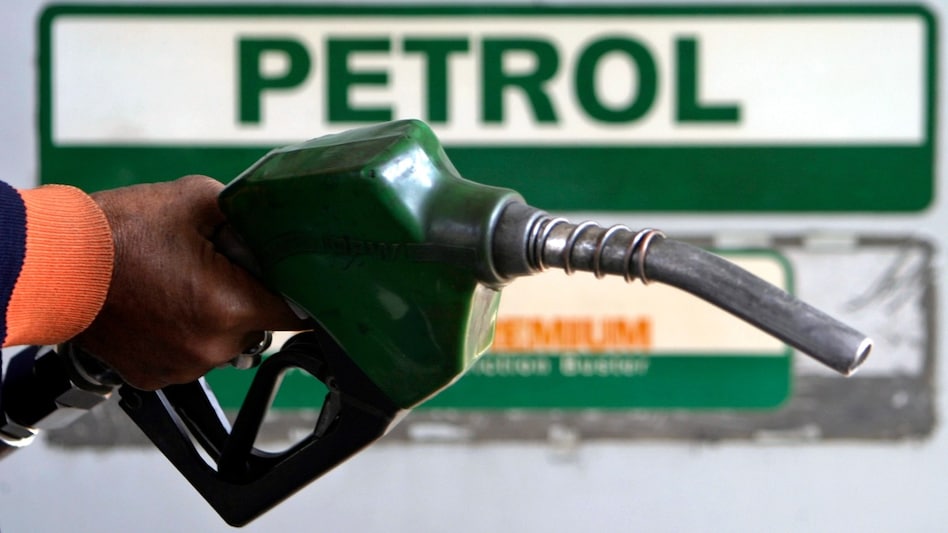
India will begin nationwide supply of petrol blended with up to 20% ethanol from April 1, 2026, marking a major milestone in its biofuel programme. In a notification issued on February 17, the Ministry of Petroleum and Natural Gas directed oil marketing companies to supply petrol containing up to 20% ethanol that also meets a minimum Research Octane Number (RON) of 95.
This effectively makes E20 with RON 95 the new petrol standard across the country. The move comes after concerns emerged during the early rollout of E20 regarding fuel efficiency, engine roughness and performance inconsistencies in some vehicles.

 Setback for Indian professionals? US suspends Cognizant green card filings in H-1B visa fraud probe
 Apple’s most ambitious iPhone yet? The decade-long road to its $2,000+ foldable
  'Legally prohibited from leaving UK': Vijay Mallya says Indian govt 'grossly unjust' to him
 ‘Time to think about improving these missiles’: India, Russia want to upgrade BrahMos
  Infosys, TCS, Coforge, Mphasis shares: Targets as Amazon, Google, Microsoft ramp up capex
 Index Funds Vs ETFs: Which Is Better For Your Money? A Beginner’s Guide To Passive Investing
 “Files Used To Get Stuck”: PM Modi Takes Dig At Delays, Hails 2,800 Km Freight Corridor
 Indegene’s Growth Story: Global Expansion, AI & The Future Of Healthcare Tech
 Ambareesh Baliga Turns Bullish On Specialty Chemicals, Bets On Archean Chemicals & Vinati Organics
 Gold Loan Rise Faces Risk? Ambareesh Baliga Flags Correction Threat For NBFCs
 Infosys, TCS, Coforge, Mphasis shares: Targets as Amazon, Google, Microsoft ramp up capex
 Siemens Energy India shares fall as firm clarifies on Blue portfolio
 Chennai Petroleum, MRPL, Oil India shares gain as Brent nears $100
 BSE share price falls 4% after Bernstein's 'Underperform', MCX shares up for 3rd day
 Graphite India shares rise over 18%, hit fresh 52-week high; here's why
  Variable pay is no longer enough: Here’s what India’s executive leaders want to stay
 L&T secures up to Rs 5,000 crore ONGC order for offshore oil and gas development projects
 Instagram 80s photo trend goes viral: How to create your own retro photo using ChatGPTInfosys, TCS, Coforge, Mphasis shares: Targets as Amazon, Google, Microsoft ramp up capexApple’s most ambitious iPhone yet? The decade-long road to its $2,000+ foldable












