
Battery damage and EV insurance: What happens when you file a claim, what is covered and what is excluded?
EV battery repairs can be among the most expensive costs after an accident, making it important for owners to understand what their motor insurance actually covers. From specialised battery protection to roadside assistance, the right add-ons can help bridge coverage gaps and reduce out-of-pocket repair costs.
- Aug 12, 2026,
- Updated Aug 12, 2026 6:49 PM IST
As electric vehicle (EV) adoption rises in India, battery-related repair costs are becoming an important consideration for owners choosing motor insurance. While a standard own-damage policy can cover accidental damage, specialised EV components may require additional protection through dedicated add-ons.
Why EV battery cover matters
“As electric vehicles see growing adoption across India, the need for insurance solutions tailored to their unique requirements is becoming increasingly important,” said Aditya Kumar, Head-Motor Underwriting, Digit Insurance.
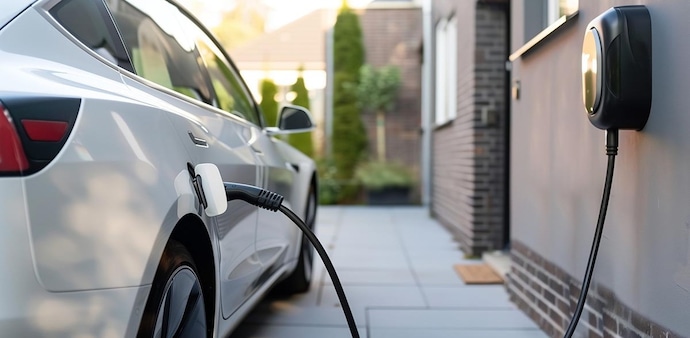
According to Kumar, EVs use specialised components and advanced technology that can be more complex and expensive to repair or replace than conventional vehicle parts. Digit Insurance’s EV Shield add-on, for instance, covers the battery, electrical panel, vehicle charger and charging cable against accidental damage or loss.
The battery can represent a substantial portion of an EV’s repair bill. Kumar said specialised battery components can account for around 40% of the total vehicle repair cost and may not be covered under standard coverage. This makes it important for EV owners to check whether their policy specifically protects the battery and other high-value components.
MUST READ: Monsoon car insurance: Essential covers and add-ons every vehicle owner should know
“EV repairs are usually more expensive as they typically involve sophisticated battery systems, specialised parts, and repair processes that often require specific technical expertise,” Kumar said. However, he added that EV insurance premiums remain competitive with those for petrol or internal combustion engine vehicles.
EV insurance claim
If an EV suffers accidental damage, the claim process generally begins with registering the claim with the insurer. Policyholders may be asked to submit photographs or videos of the damage through a self-inspection link, along with the required documents.
The insurer then coordinates with the garage to assess the vehicle and determine the repairs required. Once the repairs are completed and approved, the claim is settled and the vehicle is made ready for delivery.
Policyholders should keep their Registration Certificate, insurance policy, driving licence and valid Pollution Under Control certificate readily available. For pre-owned vehicles, the RC should be transferred to the current owner's name to help prevent delays during the claims process.
ALSO READ: EV buyers beware: 5 mistakes that can turn your dream car into a regret
Roadside assistance
EV owners can also consider a roadside assistance add-on for situations where the vehicle becomes immobilised because of battery malfunction or charge depletion.
Depending on the policy, assistance may include a mobile charging service using a generator van, which can recharge the vehicle for up to 30 minutes or until it reaches 30% charge. Alternatively, the vehicle may be towed up to 50 km to the nearest charging station, workshop or home.
Standard motor insurance add-ons can further expand protection. These include zero depreciation, return to invoice, consumables and tyre protection covers.
Check exclusions
EV owners should also understand what their policy does not cover. Attempting to start a vehicle after it has been submerged in flood water may be treated as contributory negligence and could affect the claim.
Pre-existing damage and consequential losses involving parts that are not specifically covered may also be excluded.
Kumar said policyholders should assess the risks specific to their location and driving conditions before selecting add-ons. Choosing the correct Insured Declared Value (IDV) at purchase or renewal is equally important, as it determines the maximum payout in the event of a total loss.
MUST READ: EV insurance saw explosive growth of 670% in FY26; Maharashtra leads adoption trend
As electric vehicle (EV) adoption rises in India, battery-related repair costs are becoming an important consideration for owners choosing motor insurance. While a standard own-damage policy can cover accidental damage, specialised EV components may require additional protection through dedicated add-ons.
Why EV battery cover matters
“As electric vehicles see growing adoption across India, the need for insurance solutions tailored to their unique requirements is becoming increasingly important,” said Aditya Kumar, Head-Motor Underwriting, Digit Insurance.
According to Kumar, EVs use specialised components and advanced technology that can be more complex and expensive to repair or replace than conventional vehicle parts. Digit Insurance’s EV Shield add-on, for instance, covers the battery, electrical panel, vehicle charger and charging cable against accidental damage or loss.
The battery can represent a substantial portion of an EV’s repair bill. Kumar said specialised battery components can account for around 40% of the total vehicle repair cost and may not be covered under standard coverage. This makes it important for EV owners to check whether their policy specifically protects the battery and other high-value components.
MUST READ: Monsoon car insurance: Essential covers and add-ons every vehicle owner should know
“EV repairs are usually more expensive as they typically involve sophisticated battery systems, specialised parts, and repair processes that often require specific technical expertise,” Kumar said. However, he added that EV insurance premiums remain competitive with those for petrol or internal combustion engine vehicles.
EV insurance claim
If an EV suffers accidental damage, the claim process generally begins with registering the claim with the insurer. Policyholders may be asked to submit photographs or videos of the damage through a self-inspection link, along with the required documents.
The insurer then coordinates with the garage to assess the vehicle and determine the repairs required. Once the repairs are completed and approved, the claim is settled and the vehicle is made ready for delivery.
Policyholders should keep their Registration Certificate, insurance policy, driving licence and valid Pollution Under Control certificate readily available. For pre-owned vehicles, the RC should be transferred to the current owner's name to help prevent delays during the claims process.
ALSO READ: EV buyers beware: 5 mistakes that can turn your dream car into a regret
Roadside assistance
EV owners can also consider a roadside assistance add-on for situations where the vehicle becomes immobilised because of battery malfunction or charge depletion.
Depending on the policy, assistance may include a mobile charging service using a generator van, which can recharge the vehicle for up to 30 minutes or until it reaches 30% charge. Alternatively, the vehicle may be towed up to 50 km to the nearest charging station, workshop or home.
Standard motor insurance add-ons can further expand protection. These include zero depreciation, return to invoice, consumables and tyre protection covers.
Check exclusions
EV owners should also understand what their policy does not cover. Attempting to start a vehicle after it has been submerged in flood water may be treated as contributory negligence and could affect the claim.
Pre-existing damage and consequential losses involving parts that are not specifically covered may also be excluded.
Kumar said policyholders should assess the risks specific to their location and driving conditions before selecting add-ons. Choosing the correct Insured Declared Value (IDV) at purchase or renewal is equally important, as it determines the maximum payout in the event of a total loss.
MUST READ: EV insurance saw explosive growth of 670% in FY26; Maharashtra leads adoption trend