
Buying an electric two-wheeler? Govt extends subsidy - here's how much you save now
Electric scooters and motorcycles will now be eligible for incentives of ₹2,500 per kilowatt hour (kWh) capped at ₹5,000 per vehicle till July 31, 2026.
- Mar 29, 2026,
- Updated Mar 29, 2026 8:09 AM IST
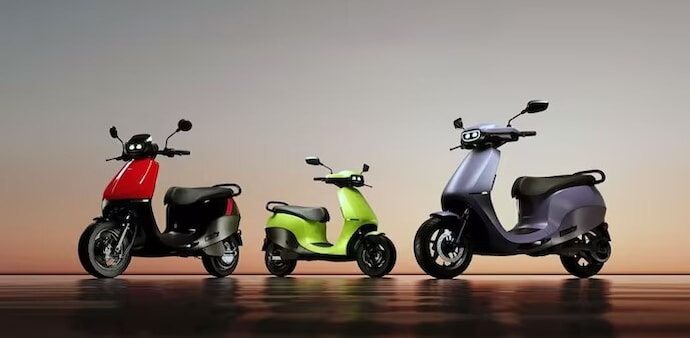
The government has extended the subsidy for electric two-wheelers under the PM Electric Drive Revolution in Innovative Vehicle Enhancement (PM E-DRIVE) Scheme by four months. Electric scooters and motorcycles will now be eligible for incentives of ₹2,500 per kilowatt hour (kWh) capped at ₹5,000 per vehicle, till July 31, 2026.
Must Read: 'EV penetration to hit 50% in next 5-7 years': Mahindra Group CEO Anish Shah
The scheme is designed to incentivise up to 24.79 lakh electric two-wheelers, covering models priced up to Rs 1.5 lakh (ex-factory), with an overall outlay of Rs 1,772 crore.
This comes days after the Department-Related Parliamentary Standing Committee on Industry recommended extending demand incentives for e-2Ws up to March 31, 2028, the terminal year of PM E-DRIVE, with a calibrated tapering mechanism to avoid policy shocks in a segment that has shown strong adoption and supports large-scale livelihoods.
The progress of the PM E-DRIVE Scheme, with a total outlay of Rs 10,900 crore, remains heavily concentrated in the electric two-wheeler and electric three-wheeler segments.
The Parliamentary panel, earlier in March, recommended the introduction of a consumer subsidy for electric four-wheelers to reduce the upfront cost differential between electric vehicles (EVs) and internal combustion engine (ICE) vehicles.
“In the absence of a consumer-oriented subsidy, the transition in the four-wheeler segment — particularly among middle-class and private buyers — may remain slow and sub-optimal,” the committee noted.
It also flagged limited fund utilisation for electric vehicle public charging infrastructure under the PM E-DRIVE scheme. The Committee observed that the existing differentiated subsidy structure provides limited support for chargers in Categories C (all other locations not included in Government/PSU-linked categories) and D (battery swapping and battery charging stations), which may restrain private investment and slow expansion of charging networks in commercially important and high-demand locations.
As on January 2026, claims relating to 2,32,588 electric vehicles are under process for reimbursement to original equipment manufacturers (OEMs) under the PM E-DRIVE scheme, with the bulk relating to the e-2W segment, the panel said. Delays were attributed to the non-integration of certain State vehicle registration portals with the National Vehicle Registration Portal (VAHAN) and the availability of masked customer data, which hindered verification.
The government has extended the subsidy for electric two-wheelers under the PM Electric Drive Revolution in Innovative Vehicle Enhancement (PM E-DRIVE) Scheme by four months. Electric scooters and motorcycles will now be eligible for incentives of ₹2,500 per kilowatt hour (kWh) capped at ₹5,000 per vehicle, till July 31, 2026.
Must Read: 'EV penetration to hit 50% in next 5-7 years': Mahindra Group CEO Anish Shah
The scheme is designed to incentivise up to 24.79 lakh electric two-wheelers, covering models priced up to Rs 1.5 lakh (ex-factory), with an overall outlay of Rs 1,772 crore.
This comes days after the Department-Related Parliamentary Standing Committee on Industry recommended extending demand incentives for e-2Ws up to March 31, 2028, the terminal year of PM E-DRIVE, with a calibrated tapering mechanism to avoid policy shocks in a segment that has shown strong adoption and supports large-scale livelihoods.
The progress of the PM E-DRIVE Scheme, with a total outlay of Rs 10,900 crore, remains heavily concentrated in the electric two-wheeler and electric three-wheeler segments.
The Parliamentary panel, earlier in March, recommended the introduction of a consumer subsidy for electric four-wheelers to reduce the upfront cost differential between electric vehicles (EVs) and internal combustion engine (ICE) vehicles.
“In the absence of a consumer-oriented subsidy, the transition in the four-wheeler segment — particularly among middle-class and private buyers — may remain slow and sub-optimal,” the committee noted.
It also flagged limited fund utilisation for electric vehicle public charging infrastructure under the PM E-DRIVE scheme. The Committee observed that the existing differentiated subsidy structure provides limited support for chargers in Categories C (all other locations not included in Government/PSU-linked categories) and D (battery swapping and battery charging stations), which may restrain private investment and slow expansion of charging networks in commercially important and high-demand locations.
As on January 2026, claims relating to 2,32,588 electric vehicles are under process for reimbursement to original equipment manufacturers (OEMs) under the PM E-DRIVE scheme, with the bulk relating to the e-2W segment, the panel said. Delays were attributed to the non-integration of certain State vehicle registration portals with the National Vehicle Registration Portal (VAHAN) and the availability of masked customer data, which hindered verification.