


 The Mahindra Group CEO, however, cautioned that the industry needs to be prepared if the war continues much longer.
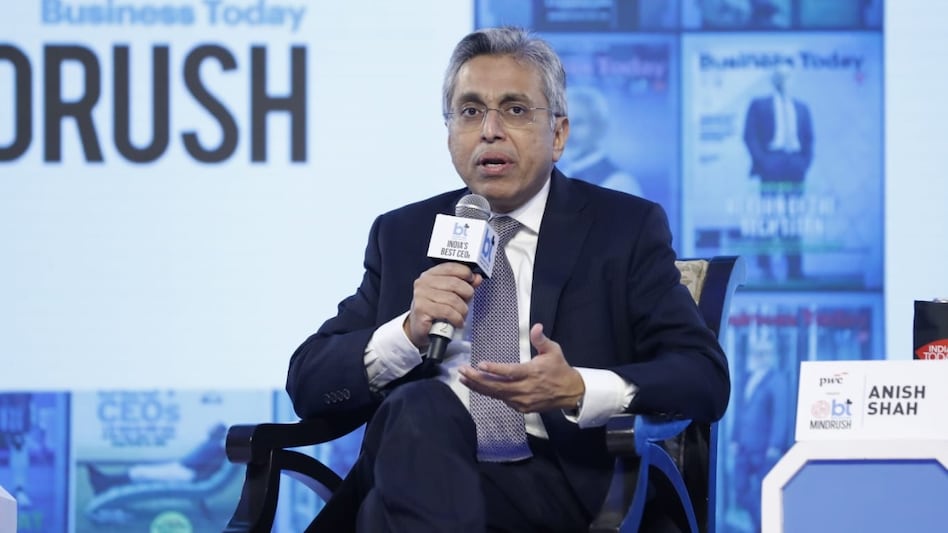
Electric vehicles are expected to account for 50% of new car sales in the next five to seven years, according to Mahindra Group managing director and CEO Anish Shah.
“I would expect EVs to go north of 50% in the next five to seven years. And the reason for that is it's a much better car to drive... It's not that someone should buy an EV because it is something that helps us with oil or something that has a lower cost of operation. It starts with a consumer looking at EVs and saying, I love driving this car. That's what a Tesla did when it came in the first time,” Shah said in a fireside chat at the Business Today MindRush & India’s Best CEOs Awards.

 Hormuz crisis exposed world's energy weak spots: Why the next shock could hurt more
 'AI ending humanity is nonsense': Ex-Infosys CEO Vishal Sikka rejects growing doom warnings
 Food delivery, quick commerce largely shielded from UPI MDR despite high digital payments
 Could AI really kill us all? Here’s what MIT researchers fear and what they don’t
 New e-commerce rules: How online discounts and search rankings will change
 Gold Price Target 2026: Expert Sees MCX Gold At ₹1.8 Lakh By Year-End Amid Strong Demand
 Health Insurance: Why Pre-Existing Diseases And Waiting Periods Matter For Buyers
 Crude Oil Above $100: How High Energy Prices And Rupee Weakness Impact Gold Prices In India
 CEA On India’s Manufacturing Rise, Atmanirbhar Bharat And Modi’s Economic Policy
 Health Insurance Buying Guide: 7 Things First-Time Buyers Must Check Before Choosing A Policy
 SpaceX weight in Nasdaq 100 to jump to 2.82% following quarterly index rebalance: Report
 Tata Motors or Ashok Leyland? Analyst reveals his preferred auto stock for near-term gains
 Maharashtra Scooters, Dixon Tech, Bharat Dynamics, Jai Corp among stocks to turn ex-dividend on Monday
 Jindal Supreme, SS Retail, Hero Motors IPOs subscribed up to 181 times on final day; details here
 Sensex, Nifty post sixth weekly loss; TCS, Titan among top laggards, slip up to 4%
 iPhone 18 Pro launches ahead of Navratri, Diwali, but grocery and BPC could steal festive e-commerce spotlight: Report
 ‘Very big things are coming’: Trump in ‘deciding mode’ as Iran sets 7 key demands
 EV charging demand is moving beyond metros: Vijayawada, Rajamahendravaram among fastest-growing marketsFood delivery, quick commerce largely shielded from UPI MDR despite high digital paymentsNew e-commerce rules: How online discounts and search rankings will change












