
No more EV charging hassle? Govt plans UPI-like system for all stations
The proposal is expected to be discussed at a high-level meeting in Bengaluru on May 12, chaired by Heavy Industries Minister HD Kumaraswamy, with automakers, charging companies, utilities and state officials in attendance.
- May 12, 2026,
- Updated May 12, 2026 12:25 PM IST
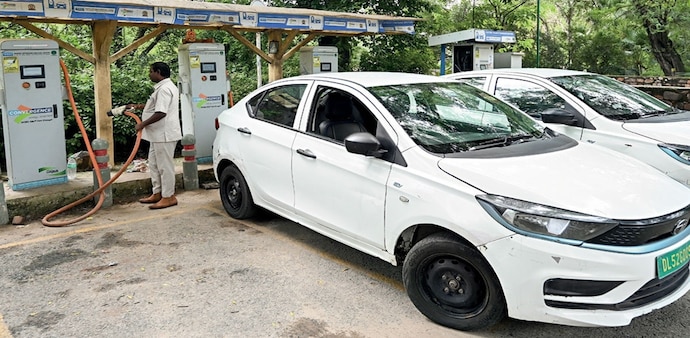
India is working on a plan to create a common electric-vehicle charging network that would allow EV owners to locate, access and pay at any public charging station regardless of the operator, in a move similar to the interoperability enabled by the Unified Payments Interface (UPI) in digital payments, according to a Hindu Business Line report.
The proposal is expected to be discussed at a high-level meeting in Bengaluru on May 12, chaired by Heavy Industries Minister HD Kumaraswamy, with automakers, charging companies, utilities and state officials in attendance, the report said.
Must read: BT Explainer: Here’s how to spot fake traffic challans and avoid being trapped
India had 27,737 public EV charging stations installed as of March 2026, of which 22,753 were operational, according to data tabled in Parliament. The network includes around 20,346 slow chargers and 8,805 DC fast chargers, with Karnataka, Maharashtra, Delhi and Uttar Pradesh leading deployments.
However, the charging ecosystem remains fragmented, especially in the two- and three-wheeler segment, where manufacturers relied on proprietary charging connectors.
While passenger electric cars largely converged around the CCS2 charging standard, scooter and e-rickshaw makers developed separate charging systems, limiting interoperability across brands. The adoption of the Light Electric Combined Charging System (LECCS), or Type 7 connector under IS 17017 standards, is now helping standardise charging infrastructure for smaller EVs, the report added.
Must read: Is your car RC nearing expiry? Here’s what you can do
“We appreciate the Government’s consistent support in growing the EV ecosystem and are committed to driving this change in line with the COP26 and Viksit Bharat 2047 vision through rapid, consumer-focused expansion of EV charging infrastructure,” Kausalya Nandakumar, chief business officer of the Emerging Mobility Business Unit at Hero MotoCorp, told the publication.
The government is trying to address infrastructure gaps through the Rs 10,900 crore PM E-DRIVE scheme, under which Rs 2,000 crore has been allocated for public charging and battery-swapping infrastructure.
The programme targets 72,300 charging points, including 48,400 for electric two- and three-wheelers and 22,100 fast chargers for passenger vehicles. However, no expenditure had been recorded under the charging component as of March 23, 2026, according to a Rajya Sabha disclosure.
Must read: From loans to FASTag: How Cars24 wants to control your entire car journey
A senior Ministry of Heavy Industries official told the publication that the government’s goal was to build “a UPI for EV charging”.
“The next phase is not about how many chargers we install, but whether any EV owner can access any charger seamlessly, just as any bank customer can use UPI,” the official said.
State-run Bharat Heavy Electricals Ltd is also developing a unified “super app” that is expected to provide real-time charger availability along with booking and payment capabilities across stations deployed under the PM E-DRIVE scheme, the report said.
India is working on a plan to create a common electric-vehicle charging network that would allow EV owners to locate, access and pay at any public charging station regardless of the operator, in a move similar to the interoperability enabled by the Unified Payments Interface (UPI) in digital payments, according to a Hindu Business Line report.
The proposal is expected to be discussed at a high-level meeting in Bengaluru on May 12, chaired by Heavy Industries Minister HD Kumaraswamy, with automakers, charging companies, utilities and state officials in attendance, the report said.
Must read: BT Explainer: Here’s how to spot fake traffic challans and avoid being trapped
India had 27,737 public EV charging stations installed as of March 2026, of which 22,753 were operational, according to data tabled in Parliament. The network includes around 20,346 slow chargers and 8,805 DC fast chargers, with Karnataka, Maharashtra, Delhi and Uttar Pradesh leading deployments.
However, the charging ecosystem remains fragmented, especially in the two- and three-wheeler segment, where manufacturers relied on proprietary charging connectors.
While passenger electric cars largely converged around the CCS2 charging standard, scooter and e-rickshaw makers developed separate charging systems, limiting interoperability across brands. The adoption of the Light Electric Combined Charging System (LECCS), or Type 7 connector under IS 17017 standards, is now helping standardise charging infrastructure for smaller EVs, the report added.
Must read: Is your car RC nearing expiry? Here’s what you can do
“We appreciate the Government’s consistent support in growing the EV ecosystem and are committed to driving this change in line with the COP26 and Viksit Bharat 2047 vision through rapid, consumer-focused expansion of EV charging infrastructure,” Kausalya Nandakumar, chief business officer of the Emerging Mobility Business Unit at Hero MotoCorp, told the publication.
The government is trying to address infrastructure gaps through the Rs 10,900 crore PM E-DRIVE scheme, under which Rs 2,000 crore has been allocated for public charging and battery-swapping infrastructure.
The programme targets 72,300 charging points, including 48,400 for electric two- and three-wheelers and 22,100 fast chargers for passenger vehicles. However, no expenditure had been recorded under the charging component as of March 23, 2026, according to a Rajya Sabha disclosure.
Must read: From loans to FASTag: How Cars24 wants to control your entire car journey
A senior Ministry of Heavy Industries official told the publication that the government’s goal was to build “a UPI for EV charging”.
“The next phase is not about how many chargers we install, but whether any EV owner can access any charger seamlessly, just as any bank customer can use UPI,” the official said.
State-run Bharat Heavy Electricals Ltd is also developing a unified “super app” that is expected to provide real-time charger availability along with booking and payment capabilities across stations deployed under the PM E-DRIVE scheme, the report said.