

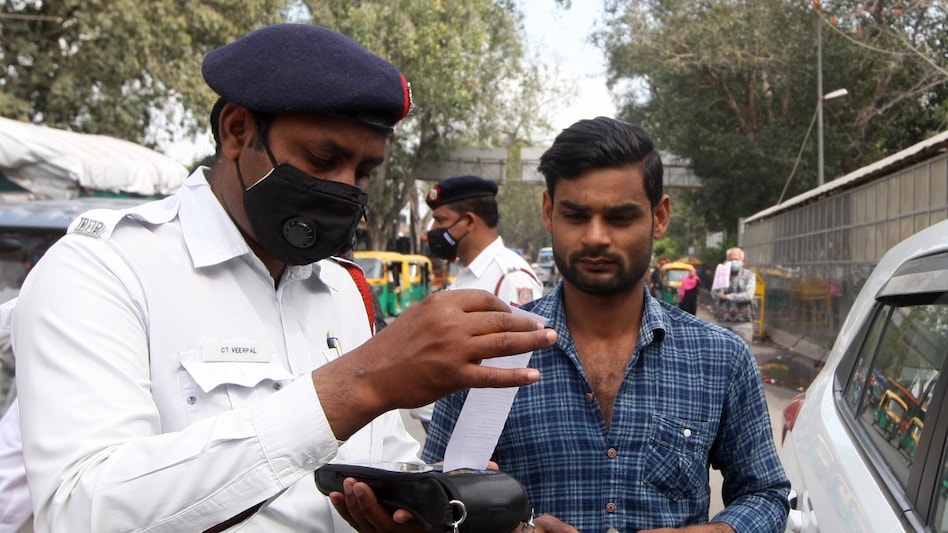
 Car or two-wheeler owners must verify challans only through official sources. Legitimate challans are sent only through official government portals.
As India’s road infrastructure gets better, the deployment of CCTV cameras to capture traffic violations is becoming common. As a result, motorists keep getting information about pending challans through SMS. However, scamsters and fraudsters are taking advantage of fake challans to defraud unsuspecting vehicle owners.
What should vehicle owners do?
 Dope test for all pilots annually? Deliberations between DGCA, stakeholders underway
 Apple’s CEO transition begins: iPhone-maker holds farewell for Tim Cook ahead of John Ternus’ takeover
 Sugar prices set to ease? ISMA says panic buying caused spike, no actual shortage in India
 US plans 7.5% ‘overcapacity’ tariff on Chinese goods, to take overall tariffs to about 20%
 Bank unions strike: Around 8 lakh employees to agitate over 5-day working week, PLI scheme, pension issues
 “Frozen Is Not Bad”: Sanjeev Kapoor Busts Myths About Restaurant Food & Food Safety
 Market Masters | Aniruddha Sarkar On Top Sectors, Market Outlook & Where To Invest
 Daily Calls: Ask Your STOCK MARKET TODAY QUERIES | Market Update | Share Market News Today
 All About Debt Funds: Types Of Debt Funds & How To Invest | Mutual Fund Guide | Money Today
 “India Can Attract Global Space Talent Like A Magnet”: PM Modi To Startup CEOs
 BSE, Kalyan Jewellers, Union Bank shares: Expert weighs in
 IDBI Bank shares rise 2% as lender clarifies on surge in trading volumes; details here
 HDFC Bank shares: JM Financial cuts target price to Rs 800, maintains 'ADD'
 Vedanta shares: VRL repays loans, Anil Agarwal firm updates on encumbrance
 HAL, Astra Microwave, Solar Industries shares: Here's Anand Rathi's top defence stock pick
 ChatGPT rolls out AI-generated stickers for WhatsApp, Instagram, Apple Messages
 'In India, entrepreneurs don't have to worry about...': Piyush Goyal refers to Jack Ma's disappearance in pitch to Japanese investors
 I4C warns CFOs, finance teams of WhatsApp ‘Boss Scam’ using fake RBI, MCA filesBSE, Kalyan Jewellers, Union Bank shares: Expert weighs inIDBI Bank shares rise 2% as lender clarifies on surge in trading volumes; details here












