
BT Explainer: How BJP dismantled Mamata's dominance in Bengal
The BJP's vote share has risen from 38 per cent in 2021 to nearly 46 per cent, while the TMC's has dropped from 48 per cent to around 40 per cent.
- May 4, 2026,
- Updated May 4, 2026 6:42 PM IST
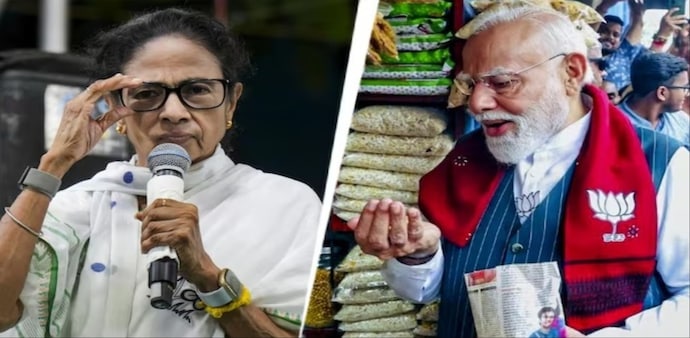
West Bengal Election Results 2026 | The Bharatiya Janata Party (BJP) has scripted a decisive victory in West Bengal, leading in nearly 200 seats in the 294-member Assembly and pushing the Trinamool Congress (TMC) below the 90 mark - a dramatic reversal from 2021, when Mamata Banerjee's party had won 213 seats.
Catch our LIVE Coverage: BJP crosses 200 in West Bengal, Stalin loses Kolathur
The BJP's vote share has risen from 38 per cent in 2021 to nearly 46 per cent, while the TMC's has dropped from 48 per cent to around 40 per cent.
The saffron party has swept North Bengal and breached South Bengal - once considered Mamata's stronghold. In TMC bastions accounting for 119 seats, the BJP is set to win 69, up sharply from just 18 in 2021, while the TMC is likely to secure just 49.
Don't Miss: The 7Ms that failed Mamata in West Bengal: From maa-maati-manush to migrants & more
What led to TMC's collapse in Bengal
Several issues dominated voter sentiment during the campaign. Complaints around corruption, infiltration, syndicate raj, cut money, unemployment, and lack of growth surfaced repeatedly.
The 'teacher recruitment scam' became a defining flashpoint, with enforcement agencies recovering nearly ₹50 crore in cash and gold ornaments in July 2022 after raids at the then minister Partha Chatterjee.
Allegations of jobs being denied to qualified candidates and continued action by central agencies such as the ED and CBI dented the TMC's public image.
Then, the RG Kar episode, where a 31-year-old postgraduate trainee doctor was raped and murdered, was another key moment when a section of people lost trust in Mamata Banerjee. The incident, which happened on August 9, 2024, triggered widespread public outrage against the ruling TMC.
The BJP fielded Ratna Debnath, the mother of the RG Kar victim, from Panihati. Debnath is all set to win Panihati for the BJP.
Voter turnout, roll revision in Bengal
The Election Commission's revision of electoral rolls - which led to the removal of millions of names - emerged as a major point of contention in the run-up to the polls. Observers suggest that the unusually high turnout, potentially driven by voters returning from outside the state, may have benefited the BJP's electoral prospects.
Nearly 91 lakh names were deleted from the electoral rolls following the SIR exercise. The BJP maintained that a majority of those removed were "bogus or dead voters", alleging that such names had earlier been used by TMC workers to cast votes.
In the past, elections in the state were marked by widespread violence and allegations of rigging. This time, the EC deployed an unprecedented level of central forces to ensure free and fair polls. There were also reports that TMC workers threatened voters against supporting the BJP.
In 2021, after the TMC won, violence broke out in several parts of the state, where BJP workers were targeted and allegedly killed. Those incidents are seen to have heightened fears among sections of voters, particularly among Hindus, who increasingly felt that failing to challenge the TMC could make it harder to do so in the future.
Against this backdrop, the BJP's campaign slogan - "Bhoy Noy, Bharosa" (No Fear, Only Trust) - struck a chord among voters wary of a return to such conditions.
Employment, anti-incumbency against Mamata
Employment and anti-incumbency also appear to have weighed on the TMC. While Banerjee, during her tenure, rolled out several welfare schemes and cash transfers, such as Lakshmir Bhandar, she faced criticism for failing to generate jobs and drive industrial growth. The BJP's pitch of "industrial revival" seems to have resonated, particularly with younger voters frustrated with limited employment opportunities and economic stagnation.
Also, after 15 years in power, the TMC was also battling strong anti-incumbency. Critics argue that its reliance on welfare payouts was not enough to offset concerns over corruption and the lack of long-term economic opportunities.
West Bengal Election Results 2026 | The Bharatiya Janata Party (BJP) has scripted a decisive victory in West Bengal, leading in nearly 200 seats in the 294-member Assembly and pushing the Trinamool Congress (TMC) below the 90 mark - a dramatic reversal from 2021, when Mamata Banerjee's party had won 213 seats.
Catch our LIVE Coverage: BJP crosses 200 in West Bengal, Stalin loses Kolathur
The BJP's vote share has risen from 38 per cent in 2021 to nearly 46 per cent, while the TMC's has dropped from 48 per cent to around 40 per cent.
The saffron party has swept North Bengal and breached South Bengal - once considered Mamata's stronghold. In TMC bastions accounting for 119 seats, the BJP is set to win 69, up sharply from just 18 in 2021, while the TMC is likely to secure just 49.
Don't Miss: The 7Ms that failed Mamata in West Bengal: From maa-maati-manush to migrants & more
What led to TMC's collapse in Bengal
Several issues dominated voter sentiment during the campaign. Complaints around corruption, infiltration, syndicate raj, cut money, unemployment, and lack of growth surfaced repeatedly.
The 'teacher recruitment scam' became a defining flashpoint, with enforcement agencies recovering nearly ₹50 crore in cash and gold ornaments in July 2022 after raids at the then minister Partha Chatterjee.
Allegations of jobs being denied to qualified candidates and continued action by central agencies such as the ED and CBI dented the TMC's public image.
Then, the RG Kar episode, where a 31-year-old postgraduate trainee doctor was raped and murdered, was another key moment when a section of people lost trust in Mamata Banerjee. The incident, which happened on August 9, 2024, triggered widespread public outrage against the ruling TMC.
The BJP fielded Ratna Debnath, the mother of the RG Kar victim, from Panihati. Debnath is all set to win Panihati for the BJP.
Voter turnout, roll revision in Bengal
The Election Commission's revision of electoral rolls - which led to the removal of millions of names - emerged as a major point of contention in the run-up to the polls. Observers suggest that the unusually high turnout, potentially driven by voters returning from outside the state, may have benefited the BJP's electoral prospects.
Nearly 91 lakh names were deleted from the electoral rolls following the SIR exercise. The BJP maintained that a majority of those removed were "bogus or dead voters", alleging that such names had earlier been used by TMC workers to cast votes.
In the past, elections in the state were marked by widespread violence and allegations of rigging. This time, the EC deployed an unprecedented level of central forces to ensure free and fair polls. There were also reports that TMC workers threatened voters against supporting the BJP.
In 2021, after the TMC won, violence broke out in several parts of the state, where BJP workers were targeted and allegedly killed. Those incidents are seen to have heightened fears among sections of voters, particularly among Hindus, who increasingly felt that failing to challenge the TMC could make it harder to do so in the future.
Against this backdrop, the BJP's campaign slogan - "Bhoy Noy, Bharosa" (No Fear, Only Trust) - struck a chord among voters wary of a return to such conditions.
Employment, anti-incumbency against Mamata
Employment and anti-incumbency also appear to have weighed on the TMC. While Banerjee, during her tenure, rolled out several welfare schemes and cash transfers, such as Lakshmir Bhandar, she faced criticism for failing to generate jobs and drive industrial growth. The BJP's pitch of "industrial revival" seems to have resonated, particularly with younger voters frustrated with limited employment opportunities and economic stagnation.
Also, after 15 years in power, the TMC was also battling strong anti-incumbency. Critics argue that its reliance on welfare payouts was not enough to offset concerns over corruption and the lack of long-term economic opportunities.