
18,000 Indian seafarers may leave Hormuz, but the ordeal isn’t over
The US-Iran interim deal has opened a route through the Strait of Hormuz, but safety concerns, shipping delays and crew rotations could keep many Indian sailors waiting to come home.
- Jun 19, 2026,
- Updated Jun 19, 2026 12:55 PM IST
The past week has seen crude oil price plunge, stock market regain their mojo and policymakers around the world breathe a sigh of relief.
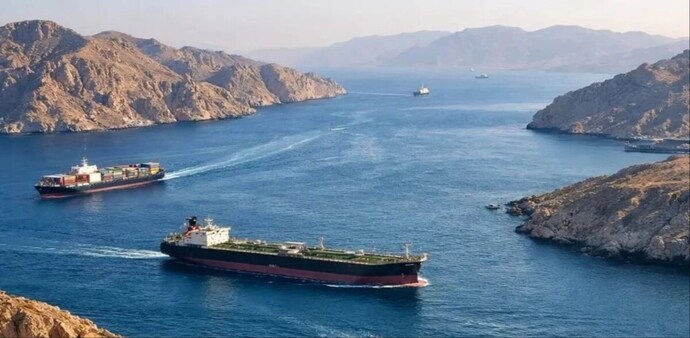
The reason lies in a narrow, 33-kilometre-wide waterway in the Gulf that is slowly reopening to global shipping.
The US Central Command, which oversees military operations in the region, has announced the lifting of the US blockade of the Strait as well of Iranian ports. Iranian news agencies, quoting officials, have also said commercial shipping has resumed.
Focus On Energy Shipments
For now, the spotlight is firmly on ships carrying crude oil, LNG, LPG, fertilisers and other critical cargo.
MUST READ | Freedom of movement, Hormuz reopening: 14 crucial points in the US-Iran peace pact
Data from marine and energy tracking platforms shows supertankers carrying nearly 80 million barrels of oil waiting for the green signal to sail through the Strait. All they need is a nod from shipowners and, indirectly, from insurers.
Reports suggest at least three tankers were headed towards Asia as of Friday morning.
Fear On High Seas
For sailors and shipowners, meanwhile, the biggest threat remains sea mines.
Senior Indian shipping industry sources told Business Today that Iran laid thousands of mines across the 160-kilometre-long Strait during the conflict.
Many of these mines, powerful enough to tear through a ship's hull, have drifted from their original positions and are difficult to detect. The US Navy has been conducting anti-mine operations for weeks, but progress has been slow.
Another unresolved issue is the toll Iran may levy on ships transiting the Strait. The US has remained non-committal on whether the arrangement will continue under the interim peace deal. Asked about the issue, US Vice President JD Vance said, “The final negotiations can set the terms of what comes afterwards.”
Industry sources say Iran has fixed a transit charge at around $2 million per vessel, although the final amount varies depending on the ship’s tonnage.
India’s Human Story
For India, the Hormuz crisis is about far more than just energy security.
India is one of the world's largest suppliers of merchant seafarers. According to Ministry of Ports, Shipping and Waterways, nearly 18,000 Indian sailors remain stranded in and around the Strait. Of these, 662 are aboard 13 Indian-flagged vessels.
MUST READ | 'One hell of a problem for India': Taiwan crisis will be bigger than Hormuz
For more than three months, these men and women have lived through sleepless nights and nerve-racking days. They have watched missiles and explosive-laden drones streak overhead and navigated constant threats from both Iranian and US forces operating in the region.
The conflict has already taken a heavy toll. Three Indian merchant sailors were killed in a US missile strike on June 10.
Compensation For The Risk
For seafarers trapped by war, the industry provides a special ‘War Risk Allowance’, typically involving a doubling of the basic salary for the period spent in the conflict zone.
A sailor earning ₹2 lakh a month, with a basic salary of ₹1 lakh, would receive ₹3 lakh for every month spent in the Strait.
DON'T MISS | 34 India-bound ships awaiting safe passage through Hormuz
Sources say that employment contracts also provide life insurance of $100,000-$120,000 under normal circumstances. That cover is typically doubled while a vessel operates in a designated war zone.
The past week has seen crude oil price plunge, stock market regain their mojo and policymakers around the world breathe a sigh of relief.
The reason lies in a narrow, 33-kilometre-wide waterway in the Gulf that is slowly reopening to global shipping.
The US Central Command, which oversees military operations in the region, has announced the lifting of the US blockade of the Strait as well of Iranian ports. Iranian news agencies, quoting officials, have also said commercial shipping has resumed.
Focus On Energy Shipments
For now, the spotlight is firmly on ships carrying crude oil, LNG, LPG, fertilisers and other critical cargo.
MUST READ | Freedom of movement, Hormuz reopening: 14 crucial points in the US-Iran peace pact
Data from marine and energy tracking platforms shows supertankers carrying nearly 80 million barrels of oil waiting for the green signal to sail through the Strait. All they need is a nod from shipowners and, indirectly, from insurers.
Reports suggest at least three tankers were headed towards Asia as of Friday morning.
Fear On High Seas
For sailors and shipowners, meanwhile, the biggest threat remains sea mines.
Senior Indian shipping industry sources told Business Today that Iran laid thousands of mines across the 160-kilometre-long Strait during the conflict.
Many of these mines, powerful enough to tear through a ship's hull, have drifted from their original positions and are difficult to detect. The US Navy has been conducting anti-mine operations for weeks, but progress has been slow.
Another unresolved issue is the toll Iran may levy on ships transiting the Strait. The US has remained non-committal on whether the arrangement will continue under the interim peace deal. Asked about the issue, US Vice President JD Vance said, “The final negotiations can set the terms of what comes afterwards.”
Industry sources say Iran has fixed a transit charge at around $2 million per vessel, although the final amount varies depending on the ship’s tonnage.
India’s Human Story
For India, the Hormuz crisis is about far more than just energy security.
India is one of the world's largest suppliers of merchant seafarers. According to Ministry of Ports, Shipping and Waterways, nearly 18,000 Indian sailors remain stranded in and around the Strait. Of these, 662 are aboard 13 Indian-flagged vessels.
MUST READ | 'One hell of a problem for India': Taiwan crisis will be bigger than Hormuz
For more than three months, these men and women have lived through sleepless nights and nerve-racking days. They have watched missiles and explosive-laden drones streak overhead and navigated constant threats from both Iranian and US forces operating in the region.
The conflict has already taken a heavy toll. Three Indian merchant sailors were killed in a US missile strike on June 10.
Compensation For The Risk
For seafarers trapped by war, the industry provides a special ‘War Risk Allowance’, typically involving a doubling of the basic salary for the period spent in the conflict zone.
A sailor earning ₹2 lakh a month, with a basic salary of ₹1 lakh, would receive ₹3 lakh for every month spent in the Strait.
DON'T MISS | 34 India-bound ships awaiting safe passage through Hormuz
Sources say that employment contracts also provide life insurance of $100,000-$120,000 under normal circumstances. That cover is typically doubled while a vessel operates in a designated war zone.