
‘AI was not used’: CBSE defends digital marking amid Class 12 result row
CBSE officials maintained that the digital evaluation system was introduced to improve transparency, consistency and efficiency in assessment.
- May 17, 2026,
- Updated May 17, 2026 5:44 PM IST
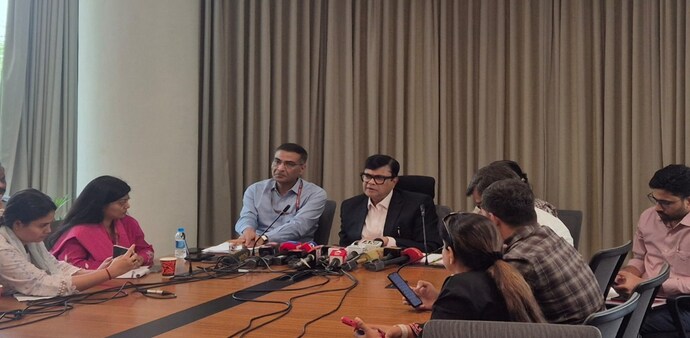
Amid growing scrutiny over the evaluation of the 2026 Class 12 board examinations, the Central Board of Secondary Education (CBSE) on Saturday defended its newly introduced On-Screen Marking (OSM) system, while announcing a multi-stage review mechanism for students seeking corrections in their results.
The move comes after several students alleged low marks, unchecked answers and discrepancies in the evaluation process, triggering widespread criticism on social media and other platforms.
Addressing the concerns, School Education and Literacy Secretary Sanjay Kumar said student welfare remained the board’s primary focus.
Don't Miss: NEP 2020 mandate: CBSE introduces mandatory 3-language policy, no board exam for third language
“Developing concerns among students is the main focus. Although the technological infrastructure did not support its implementation in 2014, it has now been reintroduced. ICAI also follows the OSM framework, similar to IB and Cambridge curricula,” the Education Secretary said.
India Today, present at the briefing, learnt that CBSE has introduced a multi-stage review process to handle complaints related to evaluation discrepancies and result corrections.
CBSE officials maintained that the digital evaluation system was introduced to improve transparency, consistency and efficiency in assessment.
However, the board acknowledged that isolated errors could occur due to the massive scale of the examination process, which involved nearly 1.25 crore answer sheets this year.
Review process to begin from May 19
To address student grievances, CBSE has introduced a multi-stage post-result review process. Students will first be allowed to access scanned copies of their evaluated answer sheets before applying for verification of marks or re-evaluation of specific answers.
Applications for photocopies of answer sheets can be submitted from May 19 to May 22, while requests for verification and re-evaluation will be accepted between May 26 and May 29.
Officials said students would be charged Rs 100 for validation-related requests and copies. However, the fee would be refunded if marks increase after review.
“In the re-evaluation process, CBSE will carefully consider the OSM process,” officials said.
The board also urged students not to panic over the controversy.
“Student welfare is the top priority. Students must not dwell on any degrading thoughts,” officials added.
Nearly 99 lakh answer sheets evaluated
CBSE revealed that around 98,66,222 answer sheets were evaluated this year, while nearly 13,000 copies were considered for re-evaluation following complaints from students.
Officials said evaluators underwent training using previous years’ question papers and marking patterns before beginning assessment work.
“Based on old question papers, checkers must train themselves,” an official said.
The board further clarified that every answer was individually assessed under the digital system.
“Each step has to be marked by the evaluator. The evaluator marks each answer,” officials said.
CBSE also asserted that the OSM framework had improved standardisation in the evaluation process.
“Standardisation has been brought with OSM,” officials noted.
At the same time, the board said fluctuations in pass percentages could not be attributed solely to the digital evaluation system.
“Question papers remain different every year,” officials said, adding that regional performance trends had largely remained consistent.
“Differences in regional results are not different,” officials added.
CBSE says initial glitches were resolved
Officials said a dry run of the OSM system was conducted in five schools on January 20 and 21 as part of implementation and teacher training exercises.
According to the board, the system was demonstrated to both government and private schools before full-scale rollout.
CBSE also admitted that the digital evaluation platform experienced “glitches in the beginning” but claimed the issues were later stabilised.
Responding to criticism over the lack of awareness around the revised evaluation process, officials questioned why students should not be informed about the system. However, CBSE clarified that there had been “no change in the marking scheme”.
Officials further said nearly 3 lakh teachers had applied for evaluator training, while around 77,000 teachers were eventually involved in checking answer sheets this year.
The board added that improvements in school infrastructure had helped support implementation of the digital system.
Technology gaps delayed OSM rollout earlier
Responding to questions over why the OSM system had not been introduced earlier, CBSE officials said the required software and scanning infrastructure were unavailable in 2014.
“Software was needed and a scanning infrastructure. In 2014, they weren’t there,” officials said during the briefing.
Responding to concerns over the dip in results this year, CBSE maintained that variations in pass percentages could not be directly linked to the digital evaluation system.
“Question papers remain different every year,” officials said.
The board also confirmed that the OSM system would continue in future examinations despite the ongoing controversy.
“OSM will continue,” officials said, adding that the system was expected to improve the possibility of “accurate and timely results” in the future.
AI not used in evaluation process
CBSE clarified that artificial intelligence was not used in evaluating Class 12 answer sheets.
“AI was not used,” officials said during the briefing.
The board also said the shift to digital evaluation was not based on any single study, but on practices already adopted by several universities and educational institutions.
“Many universities are doing it,” officials said.
Officials maintained that the core assessment framework had not changed despite the move to digital evaluation.
“Assessment has not changed; only the standardisation has been done,” officials said while defending the OSM framework.
The board declined to comment on the ongoing language policy debate.
“No comment on language policy. Will talk later about this,” officials said.
Amid growing scrutiny over the evaluation of the 2026 Class 12 board examinations, the Central Board of Secondary Education (CBSE) on Saturday defended its newly introduced On-Screen Marking (OSM) system, while announcing a multi-stage review mechanism for students seeking corrections in their results.
The move comes after several students alleged low marks, unchecked answers and discrepancies in the evaluation process, triggering widespread criticism on social media and other platforms.
Addressing the concerns, School Education and Literacy Secretary Sanjay Kumar said student welfare remained the board’s primary focus.
Don't Miss: NEP 2020 mandate: CBSE introduces mandatory 3-language policy, no board exam for third language
“Developing concerns among students is the main focus. Although the technological infrastructure did not support its implementation in 2014, it has now been reintroduced. ICAI also follows the OSM framework, similar to IB and Cambridge curricula,” the Education Secretary said.
India Today, present at the briefing, learnt that CBSE has introduced a multi-stage review process to handle complaints related to evaluation discrepancies and result corrections.
CBSE officials maintained that the digital evaluation system was introduced to improve transparency, consistency and efficiency in assessment.
However, the board acknowledged that isolated errors could occur due to the massive scale of the examination process, which involved nearly 1.25 crore answer sheets this year.
Review process to begin from May 19
To address student grievances, CBSE has introduced a multi-stage post-result review process. Students will first be allowed to access scanned copies of their evaluated answer sheets before applying for verification of marks or re-evaluation of specific answers.
Applications for photocopies of answer sheets can be submitted from May 19 to May 22, while requests for verification and re-evaluation will be accepted between May 26 and May 29.
Officials said students would be charged Rs 100 for validation-related requests and copies. However, the fee would be refunded if marks increase after review.
“In the re-evaluation process, CBSE will carefully consider the OSM process,” officials said.
The board also urged students not to panic over the controversy.
“Student welfare is the top priority. Students must not dwell on any degrading thoughts,” officials added.
Nearly 99 lakh answer sheets evaluated
CBSE revealed that around 98,66,222 answer sheets were evaluated this year, while nearly 13,000 copies were considered for re-evaluation following complaints from students.
Officials said evaluators underwent training using previous years’ question papers and marking patterns before beginning assessment work.
“Based on old question papers, checkers must train themselves,” an official said.
The board further clarified that every answer was individually assessed under the digital system.
“Each step has to be marked by the evaluator. The evaluator marks each answer,” officials said.
CBSE also asserted that the OSM framework had improved standardisation in the evaluation process.
“Standardisation has been brought with OSM,” officials noted.
At the same time, the board said fluctuations in pass percentages could not be attributed solely to the digital evaluation system.
“Question papers remain different every year,” officials said, adding that regional performance trends had largely remained consistent.
“Differences in regional results are not different,” officials added.
CBSE says initial glitches were resolved
Officials said a dry run of the OSM system was conducted in five schools on January 20 and 21 as part of implementation and teacher training exercises.
According to the board, the system was demonstrated to both government and private schools before full-scale rollout.
CBSE also admitted that the digital evaluation platform experienced “glitches in the beginning” but claimed the issues were later stabilised.
Responding to criticism over the lack of awareness around the revised evaluation process, officials questioned why students should not be informed about the system. However, CBSE clarified that there had been “no change in the marking scheme”.
Officials further said nearly 3 lakh teachers had applied for evaluator training, while around 77,000 teachers were eventually involved in checking answer sheets this year.
The board added that improvements in school infrastructure had helped support implementation of the digital system.
Technology gaps delayed OSM rollout earlier
Responding to questions over why the OSM system had not been introduced earlier, CBSE officials said the required software and scanning infrastructure were unavailable in 2014.
“Software was needed and a scanning infrastructure. In 2014, they weren’t there,” officials said during the briefing.
Responding to concerns over the dip in results this year, CBSE maintained that variations in pass percentages could not be directly linked to the digital evaluation system.
“Question papers remain different every year,” officials said.
The board also confirmed that the OSM system would continue in future examinations despite the ongoing controversy.
“OSM will continue,” officials said, adding that the system was expected to improve the possibility of “accurate and timely results” in the future.
AI not used in evaluation process
CBSE clarified that artificial intelligence was not used in evaluating Class 12 answer sheets.
“AI was not used,” officials said during the briefing.
The board also said the shift to digital evaluation was not based on any single study, but on practices already adopted by several universities and educational institutions.
“Many universities are doing it,” officials said.
Officials maintained that the core assessment framework had not changed despite the move to digital evaluation.
“Assessment has not changed; only the standardisation has been done,” officials said while defending the OSM framework.
The board declined to comment on the ongoing language policy debate.
“No comment on language policy. Will talk later about this,” officials said.