


 Educational institutions are also encouraged to integrate supplementary regional and literary materials — such as local fiction, short stories, and poems — to foster language acquisition.
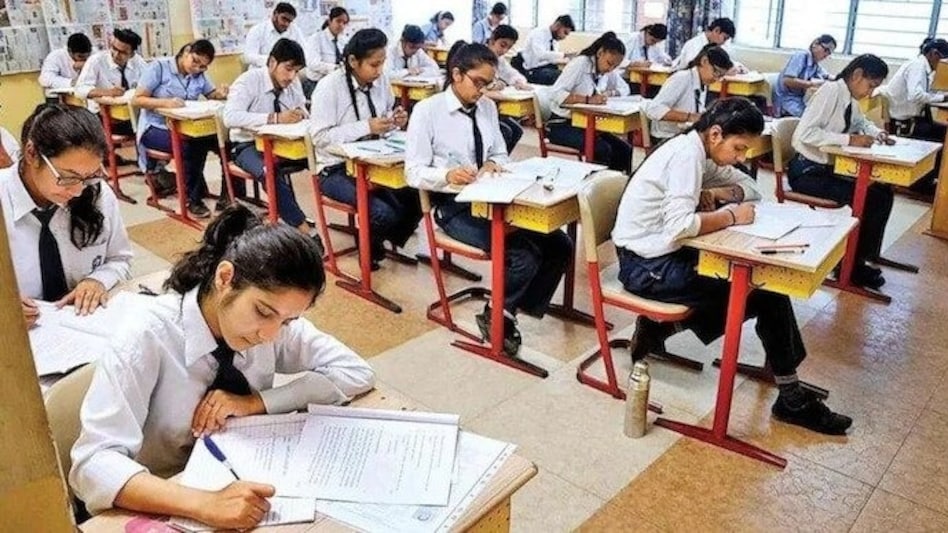
In a significant curriculum overhaul aligned with the National Education Policy (NEP) 2020, the Central Board of Secondary Education (CBSE) has announced that students in Classes 9 and 10 must study three languages starting from the 2026-27 academic session. The revised framework will take effect on July 1, 2026, with the primary goal of promoting multilingual learning and anchoring Indian language education within schools.
To prevent unnecessary academic pressure, CBSE explicitly clarified that the third language will remain exempt from the high-stakes Class 10 Board examination system.

 GST compliance burden weighs more heavily on smaller unincorporated firms
 No social media for under 18s? Centre mulls new safeguards after SC raises concern
 ITC, Swiggy, Eternal, HUL, Dabur, Marico shares: BNP Paribas sees up to 47% upside; target prices
  Who is Chirantan 'CJ' Desai, Meta's pick to lead its enterprise AI push?
 All about Akhil Gupta, former Bharti Enterprises V-C who is Coforge's new chairperson after O P Bhatt
  “Major Food Crisis” Ahead? Jaishankar Flags Global Food, Fertiliser And Energy Pressures
 Crude Oil Shock Hits Markets: Why India’s Rupee & Emerging Markets Face Pressure
 Trump Hails Indian Conglomerate Essar’s $18 Billion Iowa Steel Project, Thousands Of Jobs Expected
 Tamil Nadu Rolls Back RTI Exemption After Opposition, Ally Congress Raise Transparency Concerns
 Ujjain Shahi Masjid Demolition Sparks Clashes, Stone-Pelting During Road-Widening Drive
 ITC, Swiggy, Eternal, HUL, Dabur, Marico shares: BNP Paribas sees up to 47% upside; target prices
  Adani Power Q2 earnings: Announcement date, investor returns, stock movement since Q1 results and more
 Transport Corporation of India (NSE:TCI) Board approves Rs 150-crore share buyback at Rs 960 apiece; check record date
 Cement prices rise by Rs 7 per bag in September; more hikes expected in October: Report
 Augmont shares rise 23% in two days, hit record high; here's why
  Affordable housing loans: Why ₹10-15 lakh borrowers remain the sweet spot for specialist lenders
 ONGC Videsh to restart operations in Venezuela's San Cristobal oilfield soonITC, Swiggy, Eternal, HUL, Dabur, Marico shares: BNP Paribas sees up to 47% upside; target prices GST compliance burden weighs more heavily on smaller unincorporated firms
 Nvidia launches Open Agent Safety Platform to keep AI agents within boundaries












