
BRICS New Delhi Declaration calls for dialogue and multilateralism: All that it says
The BRICS countries, in the New Delhi Declaration, have called for conflict prevention, dialogue and diplomacy while raising concerns over unilateral trade measures, nuclear risks and the need for practical solutions on cross-border payments.
- Sep 12, 2026,
- Updated Sep 12, 2026 4:57 PM IST
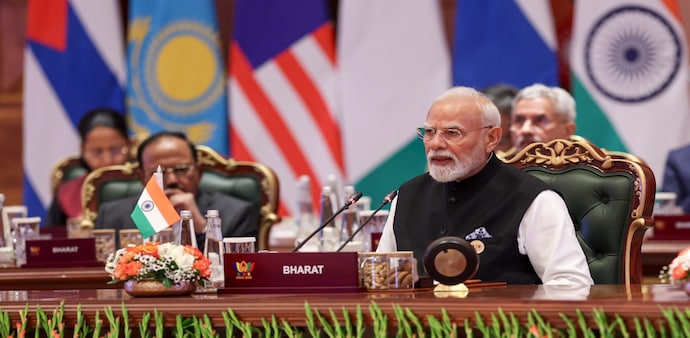
BRICS Summit 2026: Negotiators from the BRICS nations successfully brokered a consensus on a joint declaration today. Prime Minister Narendra Modi said no objection has been raised by any of the member countries, and proposed the unanimous adoption of the declaration.
The BRICS countries, in the New Delhi Declaration, have called for conflict prevention, dialogue and diplomacy while raising concerns over unilateral trade measures, nuclear risks and the need for practical solutions on cross-border payments.
Conflict prevention and diplomacy
The grouping stressed the need to engage in conflict prevention efforts, including by addressing the root causes of conflicts. It reiterated its commitment to the peaceful resolution of international disputes through dialogue, consultation and diplomacy.
The declaration also advocated a multilateral approach that respected diverse national viewpoints and positions on crucial global issues, emphasising dialogue and cooperation in addressing international challenges.
The BRICS countries also expressed concern over the growing risks of nuclear danger and conflict, linking conflict prevention efforts to broader international peace and stability.
Trade concerns
On trade, the grouping voiced serious concern over the rising use of unilateral tariffs and non-tariff measures that distort international trade and are inconsistent with World Trade Organization rules.
The declaration also condemned the imposition of unilateral coercive measures that are contrary to international law.
Cross-border payments
On financial cooperation, BRICS countries encouraged the continuation of discussions aimed at facilitating practical solutions for cross-border payments among member countries.
The declaration thus placed emphasis on dialogue, diplomacy, multilateralism and conflict prevention while addressing concerns over unilateral trade measures, coercive actions, nuclear risks and challenges facing the international system.
BRICS Summit 2026: Negotiators from the BRICS nations successfully brokered a consensus on a joint declaration today. Prime Minister Narendra Modi said no objection has been raised by any of the member countries, and proposed the unanimous adoption of the declaration.
The BRICS countries, in the New Delhi Declaration, have called for conflict prevention, dialogue and diplomacy while raising concerns over unilateral trade measures, nuclear risks and the need for practical solutions on cross-border payments.
Conflict prevention and diplomacy
The grouping stressed the need to engage in conflict prevention efforts, including by addressing the root causes of conflicts. It reiterated its commitment to the peaceful resolution of international disputes through dialogue, consultation and diplomacy.
The declaration also advocated a multilateral approach that respected diverse national viewpoints and positions on crucial global issues, emphasising dialogue and cooperation in addressing international challenges.
The BRICS countries also expressed concern over the growing risks of nuclear danger and conflict, linking conflict prevention efforts to broader international peace and stability.
Trade concerns
On trade, the grouping voiced serious concern over the rising use of unilateral tariffs and non-tariff measures that distort international trade and are inconsistent with World Trade Organization rules.
The declaration also condemned the imposition of unilateral coercive measures that are contrary to international law.
Cross-border payments
On financial cooperation, BRICS countries encouraged the continuation of discussions aimed at facilitating practical solutions for cross-border payments among member countries.
The declaration thus placed emphasis on dialogue, diplomacy, multilateralism and conflict prevention while addressing concerns over unilateral trade measures, coercive actions, nuclear risks and challenges facing the international system.