
Can ethanol replace LPG in Indian homes? Nitin Gadkari unveils new stove tech
According to him, the indigenous technology could emerge as a low-cost and cleaner alternative to traditional cooking fuels such as LPG and kerosene. The announcement comes at a time when India is aggressively looking for ways to cut its dependence on imported crude oil.
- May 25, 2026,
- Updated May 25, 2026 6:08 PM IST
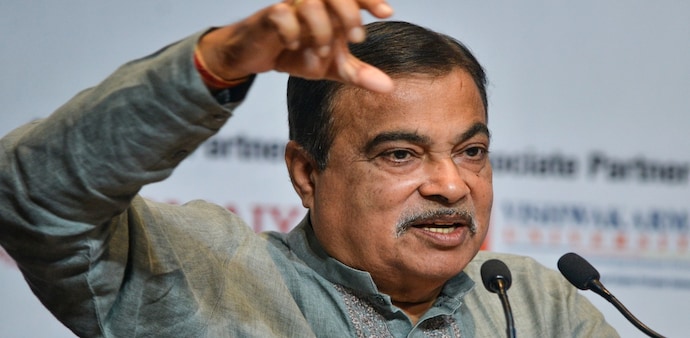
Union Minister Nitin Gadkari has unveiled a new ethanol-based stove technology that he claims could make cooking cheaper than commercial LPG cylinders, marking another major push in India’s growing biofuel mission.
Speaking at a public programme in Nagpur, Gadkari said the stove works by mixing ethanol with water to generate a cooking flame. According to him, the indigenous technology could emerge as a low-cost and cleaner alternative to traditional cooking fuels such as LPG and kerosene.
The announcement comes at a time when India is aggressively looking for ways to cut its dependence on imported crude oil and expand the use of renewable and alternative fuels.
New chapter in India’s ethanol story
India’s ethanol blending programme has expanded rapidly over the last decade. Ethanol blending in petrol has reportedly risen from just over 1.5% in 2014 to nearly 20% in 2025, driven by government mandates and investments in biofuel infrastructure.
MUST READ | India moves closer to higher Ethanol blends as BIS notifies E22-E30 fuel standards
Now, the government appears to be exploring ethanol beyond automobiles and into household kitchens.
Gadkari said the ethanol-water stove technology is not only cheaper than commercial LPG cylinders but is also fully homegrown. The minister argued that innovations like these can help India reduce fossil fuel imports while promoting cleaner energy solutions.
The minister has repeatedly highlighted that India imports nearly 87% of its oil needs, leading to a massive import bill running into lakhs of crores annually. Expanding ethanol usage, according to him, could help ease that burden while also reducing pollution.
Why Ethanol is being seen as a cleaner fuel
Ethanol is an alcohol-based biofuel produced mainly from sugarcane, maize and agricultural biomass. Compared to fossil fuels, ethanol burns cleaner and emits fewer harmful pollutants such as carbon monoxide and unburnt hydrocarbons.
Supporters of ethanol-based cooking argue that it can offer several advantages:
- Lower indoor air pollution compared to kerosene or biomass
- Reduced dependence on imported LPG
- Support for India’s sugarcane and corn farmers
- Potentially lower cooking costs
- Cleaner combustion and lower emissions
DO CHECKOUT | Is India heading towards 100% ethanol for motor vehicles?
Globally, ethanol cookstoves have been tested in parts of Africa and Latin America as alternatives to firewood and kerosene. India’s latest experiment could bring similar technology into mainstream urban and rural kitchens if it proves commercially viable.
Can Ethanol stoves replace LPG?
Experts say large-scale adoption will depend on several factors, including fuel availability, safety standards, affordability and distribution infrastructure.
India already has an extensive LPG ecosystem backed by subsidies and nationwide delivery networks. Replacing or even partially displacing LPG would require reliable ethanol supply chains and consumer confidence in the new technology.
The ethanol stove announcement also reflects India’s wider search for alternative fuels amid volatile global energy markets and geopolitical tensions affecting crude oil supplies.
Gadkari has previously advocated for higher ethanol blending targets, including the long-term possibility of 100% ethanol-compatible fuel systems.
Beyond ethanol, the government has also been promoting green hydrogen, electric mobility, compressed biogas and flex-fuel vehicles as part of its clean-energy transition strategy.
Union Minister Nitin Gadkari has unveiled a new ethanol-based stove technology that he claims could make cooking cheaper than commercial LPG cylinders, marking another major push in India’s growing biofuel mission.
Speaking at a public programme in Nagpur, Gadkari said the stove works by mixing ethanol with water to generate a cooking flame. According to him, the indigenous technology could emerge as a low-cost and cleaner alternative to traditional cooking fuels such as LPG and kerosene.
The announcement comes at a time when India is aggressively looking for ways to cut its dependence on imported crude oil and expand the use of renewable and alternative fuels.
New chapter in India’s ethanol story
India’s ethanol blending programme has expanded rapidly over the last decade. Ethanol blending in petrol has reportedly risen from just over 1.5% in 2014 to nearly 20% in 2025, driven by government mandates and investments in biofuel infrastructure.
MUST READ | India moves closer to higher Ethanol blends as BIS notifies E22-E30 fuel standards
Now, the government appears to be exploring ethanol beyond automobiles and into household kitchens.
Gadkari said the ethanol-water stove technology is not only cheaper than commercial LPG cylinders but is also fully homegrown. The minister argued that innovations like these can help India reduce fossil fuel imports while promoting cleaner energy solutions.
The minister has repeatedly highlighted that India imports nearly 87% of its oil needs, leading to a massive import bill running into lakhs of crores annually. Expanding ethanol usage, according to him, could help ease that burden while also reducing pollution.
Why Ethanol is being seen as a cleaner fuel
Ethanol is an alcohol-based biofuel produced mainly from sugarcane, maize and agricultural biomass. Compared to fossil fuels, ethanol burns cleaner and emits fewer harmful pollutants such as carbon monoxide and unburnt hydrocarbons.
Supporters of ethanol-based cooking argue that it can offer several advantages:
- Lower indoor air pollution compared to kerosene or biomass
- Reduced dependence on imported LPG
- Support for India’s sugarcane and corn farmers
- Potentially lower cooking costs
- Cleaner combustion and lower emissions
DO CHECKOUT | Is India heading towards 100% ethanol for motor vehicles?
Globally, ethanol cookstoves have been tested in parts of Africa and Latin America as alternatives to firewood and kerosene. India’s latest experiment could bring similar technology into mainstream urban and rural kitchens if it proves commercially viable.
Can Ethanol stoves replace LPG?
Experts say large-scale adoption will depend on several factors, including fuel availability, safety standards, affordability and distribution infrastructure.
India already has an extensive LPG ecosystem backed by subsidies and nationwide delivery networks. Replacing or even partially displacing LPG would require reliable ethanol supply chains and consumer confidence in the new technology.
The ethanol stove announcement also reflects India’s wider search for alternative fuels amid volatile global energy markets and geopolitical tensions affecting crude oil supplies.
Gadkari has previously advocated for higher ethanol blending targets, including the long-term possibility of 100% ethanol-compatible fuel systems.
Beyond ethanol, the government has also been promoting green hydrogen, electric mobility, compressed biogas and flex-fuel vehicles as part of its clean-energy transition strategy.