
Centre says surplus FCI rice diverted for ethanol only after meeting food security needs
The government said expanding the ethanol programme to multiple feedstocks—including sugarcane juice, B-heavy molasses, C-heavy molasses, maize, damaged foodgrains and surplus FCI rice has reduced dependence on any single crop while supporting agricultural diversification
- Jul 29, 2026,
- Updated Jul 29, 2026 7:28 PM IST
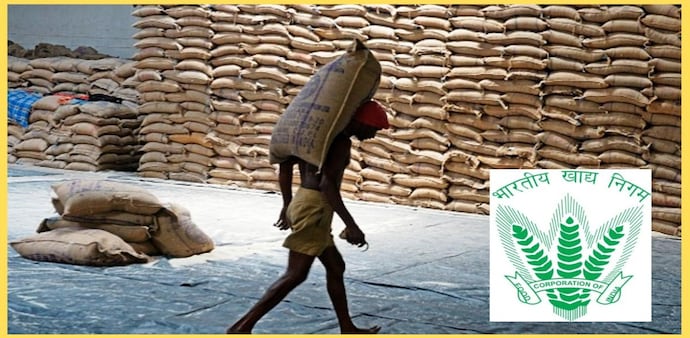
The Centre has told Parliament that it supplied 44.2 lakh metric tonnes (LMT) of surplus rice from the Food Corporation of India (FCI) for ethanol production till June 30 in the current ethanol supply year (ESY 2025-26), while maintaining that the diversion has had no impact on food inflation or food security.
Replying to a question in the Lok Sabha on Tuesday, the Ministry of Consumer Affairs, Food and Public Distribution said only surplus rice from the Central Pool is sold to ethanol distilleries under the Open Market Sale Scheme (Domestic) after meeting obligations under the National Food Security Act (NFSA), other welfare schemes and prescribed buffer stock norms.
Must Read: Some BS-3 vehicles may need minor changes when running on E20 fuel, says Nitin Gadkari
The government also highlighted the growing role of maize in India's ethanol blending programme. Maize usage for ethanol production rose sharply to 131.1 LMT in ESY 2024-25, compared with 75.4 LMT in ESY 2023-24. In the current supply year, 67.9 LMT of maize has been used for ethanol production till June 30.
According to the government, India's estimated maize production of 550 LMT in 2025-26 is sufficient to meet the requirements of ethanol production as well as poultry, cattle feed and other industries. It added that the feed industry has also diversified towards alternatives such as rice bran, broken rice, bajra and wheat offal.
The Centre rejected concerns that diversion of rice for ethanol has contributed to food inflation, stating that only accumulated excess stocks are allocated for ethanol production and that retail food prices remain unaffected.
Don't Miss: Brazil aced the ethanol journey. Here's why it shows consumer trust matters most
On whether any cap has been imposed on the use of foodgrains for ethanol during periods of high inflation or low buffer stocks, the government said no fixed ceiling has been prescribed. Instead, allocations are based on stock availability after meeting food security commitments.
The reply, however, noted that the government had stopped supplying FCI rice for ethanol production from August 14, 2023, citing food security considerations. The decision was reversed later, with allocations resuming during ESY 2024-25 and ESY 2025-26 after surplus stocks became available.
The government said expanding the ethanol programme to multiple feedstocks—including sugarcane juice, B-heavy molasses, C-heavy molasses, maize, damaged foodgrains and surplus FCI rice—has reduced dependence on any single crop while supporting agricultural diversification.
The Centre has told Parliament that it supplied 44.2 lakh metric tonnes (LMT) of surplus rice from the Food Corporation of India (FCI) for ethanol production till June 30 in the current ethanol supply year (ESY 2025-26), while maintaining that the diversion has had no impact on food inflation or food security.
Replying to a question in the Lok Sabha on Tuesday, the Ministry of Consumer Affairs, Food and Public Distribution said only surplus rice from the Central Pool is sold to ethanol distilleries under the Open Market Sale Scheme (Domestic) after meeting obligations under the National Food Security Act (NFSA), other welfare schemes and prescribed buffer stock norms.
Must Read: Some BS-3 vehicles may need minor changes when running on E20 fuel, says Nitin Gadkari
The government also highlighted the growing role of maize in India's ethanol blending programme. Maize usage for ethanol production rose sharply to 131.1 LMT in ESY 2024-25, compared with 75.4 LMT in ESY 2023-24. In the current supply year, 67.9 LMT of maize has been used for ethanol production till June 30.
According to the government, India's estimated maize production of 550 LMT in 2025-26 is sufficient to meet the requirements of ethanol production as well as poultry, cattle feed and other industries. It added that the feed industry has also diversified towards alternatives such as rice bran, broken rice, bajra and wheat offal.
The Centre rejected concerns that diversion of rice for ethanol has contributed to food inflation, stating that only accumulated excess stocks are allocated for ethanol production and that retail food prices remain unaffected.
Don't Miss: Brazil aced the ethanol journey. Here's why it shows consumer trust matters most
On whether any cap has been imposed on the use of foodgrains for ethanol during periods of high inflation or low buffer stocks, the government said no fixed ceiling has been prescribed. Instead, allocations are based on stock availability after meeting food security commitments.
The reply, however, noted that the government had stopped supplying FCI rice for ethanol production from August 14, 2023, citing food security considerations. The decision was reversed later, with allocations resuming during ESY 2024-25 and ESY 2025-26 after surplus stocks became available.
The government said expanding the ethanol programme to multiple feedstocks—including sugarcane juice, B-heavy molasses, C-heavy molasses, maize, damaged foodgrains and surplus FCI rice—has reduced dependence on any single crop while supporting agricultural diversification.