


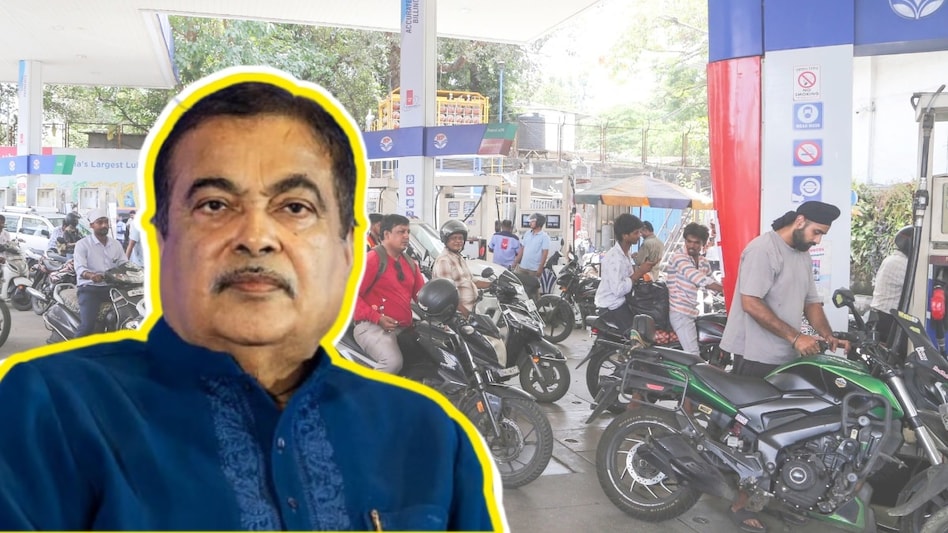
 Gadkari on BS-III vehicles and E20
Bharat Stage (BS)-III vehicles may require replacement of specific rubber parts and gaskets when running on E20 petrol, Union Road Transport and Highways Minister Nitin Gadkari informed the Rajya Sabha on Wednesday. However, he stressed that extensive testing has found no major performance or durability concerns in most legacy vehicles using the higher ethanol blend.
The information was shared by Gadkari in a written reply in Parliament. E20 petrol, which contains 20% ethanol and 80% petrol, has been rolled out across India as part of the government's ethanol blending programme. The move has sparked concerns among vehicle owners, particularly those with older models, over possible damage to engines, fuel systems and reduced mileage.

 Did you know India’s cash demand is strong despite the digital payment boom?
 Xi Jinping likely to visit India after 7 years for BRICS summit, may bring 400-member delegation
 Bitcoin price today: BTC crosses $80,000 for first time since May, rises 25% in week; what's driving it
 Stock market holiday: Will NSE, BSE remain closed for Raksha Bandhan?
 Onion prices soaring: Centre to sell onions at ₹35/kg, sends Kanda Express to boost supply
 Trump Moves To Make H-1B Visa Fee Permanent And Higher: What It Means For Indians
 Market Rally Vs Geopolitical Risk: What Wins From Here? Aditya Agarwal
 Daily Calls: Ask Your STOCK MARKET TODAY QUERIES | Market Update | Share Market News Today
 Symbiotec Pharmalab IPO | Top Management On Growth Plans, Business Outlook & IPO Strategy
 Chennai Second Airport Halted: Parandur Project Faces Wetland Concerns & Political Storm
 Paytm shares up 33% in a month: Time to book profits or is there more upside left?
 Nykaa shares: Elara Capital hikes target price; sees 43% upside potential
 Crompton Greaves shares: Brokerage sees 67% upside potential; check target price
 Dixon Tech, Amber Enterprises: Will they benefit from MPMS? Kotak shares views
 Vodafone Idea, Paradeep Phosphates, Hindustan Copper shares: What expert saysTrump Moves To Make H-1B Visa Fee Permanent And Higher: What It Means For Indians
 Why are banks rushing to raise billions of dollars through overseas bonds?Market Rally Vs Geopolitical Risk: What Wins From Here? Aditya Agarwal
 Small-cap funds are sitting on ₹4.37 lakh crore. Why are fund managers holding on?
 From ₹10 a day to ₹681 crore food empire: How PC Musthafa, a school dropout build iD Fresh Food?












