
Delhi falling AQI: Delhi bans entry of non-BS VI commercial vehicles to curb pollution
Under the new guidelines, the restriction applies to all light, medium, and heavy goods vehicles (LGVs, MGVs, and HGVs) from outside Delhi that fall below BS-IV emission standards.
- Nov 1, 2025,
- Updated Nov 1, 2025 5:10 PM IST
In a major step to combat worsening air pollution, all commercial goods vehicles not compliant with Bharat Stage VI (BS-VI) emission norms and registered outside Delhi have been banned from entering the national capital starting Saturday. The directive, issued by the Commission for Air Quality Management (CAQM), is part of a broader plan to reduce vehicular emissions — one of the biggest contributors to Delhi’s toxic air.
As a transitional relief, BS-IV compliant commercial goods vehicles from other states will be allowed to enter Delhi until October 31, 2026, after which only BS-VI or cleaner vehicles will be permitted. However, BS-III and lower category vehicles face an immediate and complete ban on entry.
What the new rule mandates
Under the new guidelines, the restriction applies to all light, medium, and heavy goods vehicles (LGVs, MGVs, and HGVs) from outside Delhi that fall below BS-IV emission standards.
Only the following categories are now permitted to operate in the capital:
BS-VI compliant goods vehicles
Vehicles powered by CNG, LNG, or electricity
Commercial vehicles registered within Delhi
The Bharat Stage (BS) norms define India’s vehicular emission standards, regulating the release of pollutants such as carbon monoxide (CO), nitrogen oxides (NOx), hydrocarbons (HC), and particulate matter (PM). Officials estimate that between 50,000 and 70,000 commercial vehicles in the NCR region currently fail to meet BS-VI norms, with all BS-III or lower category vehicles being turned away at Delhi’s borders starting today.
Why was the restriction needed
The CAQM noted that the transport sector remains one of Delhi’s largest sources of air pollution, particularly during winter months when weather conditions trap pollutants closer to the surface. The move aims to cut harmful vehicular emissions and prevent further deterioration in air quality.
In its statement, the CAQM said, “Cleaner and more efficient public transport services will help reduce pollution throughout the year and more significantly during the winter season.”
No curbs on Delhi-registered vehicles
The commission clarified that Delhi-registered commercial vehicles, along with those running on CNG, LNG, electricity, or BS-VI diesel, are exempt from the new ban and can continue operations without restrictions. The focus, officials said, is on polluting vehicles entering from neighbouring states, which contribute significantly to congestion and emissions within the city.
Delhi’s worsening AQI
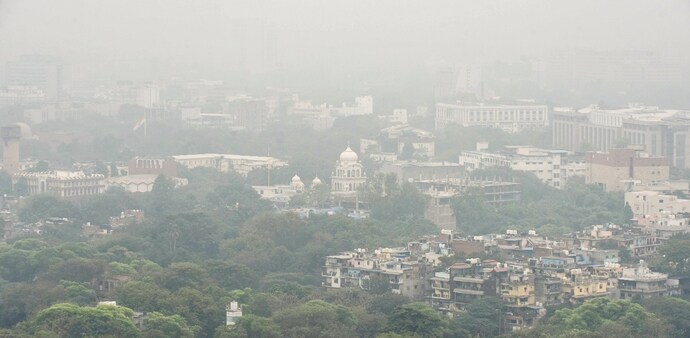
The move comes amid a steep decline in Delhi’s air quality following Diwali, with the Air Quality Index (AQI) touching “severe” levels in several areas earlier this week. Data from the Central Pollution Control Board (CPCB) showed the AQI crossing 450 in multiple zones due to firecracker smoke and stubble burning in neighbouring states.
However, air quality improved slightly on Saturday, with the AQI dropping to 233 (poor category) from 288 on Friday.
Delhi currently remains under Stage II of the Graded Response Action Plan (GRAP), activated on October 19, when AQI levels first entered the “very poor” range (301–400). This stage includes all Stage I measures along with stricter curbs — such as higher parking fees, restrictions on polluting industries, and tighter enforcement against dust and waste burning.
Officials say the latest vehicle ban is a critical addition to the city’s winter pollution control strategy, aimed at ensuring that cleaner mobility, improved compliance, and reduced traffic emissions collectively lead to more breathable air for Delhi’s residents.
In a major step to combat worsening air pollution, all commercial goods vehicles not compliant with Bharat Stage VI (BS-VI) emission norms and registered outside Delhi have been banned from entering the national capital starting Saturday. The directive, issued by the Commission for Air Quality Management (CAQM), is part of a broader plan to reduce vehicular emissions — one of the biggest contributors to Delhi’s toxic air.
As a transitional relief, BS-IV compliant commercial goods vehicles from other states will be allowed to enter Delhi until October 31, 2026, after which only BS-VI or cleaner vehicles will be permitted. However, BS-III and lower category vehicles face an immediate and complete ban on entry.
What the new rule mandates
Under the new guidelines, the restriction applies to all light, medium, and heavy goods vehicles (LGVs, MGVs, and HGVs) from outside Delhi that fall below BS-IV emission standards.
Only the following categories are now permitted to operate in the capital:
BS-VI compliant goods vehicles
Vehicles powered by CNG, LNG, or electricity
Commercial vehicles registered within Delhi
The Bharat Stage (BS) norms define India’s vehicular emission standards, regulating the release of pollutants such as carbon monoxide (CO), nitrogen oxides (NOx), hydrocarbons (HC), and particulate matter (PM). Officials estimate that between 50,000 and 70,000 commercial vehicles in the NCR region currently fail to meet BS-VI norms, with all BS-III or lower category vehicles being turned away at Delhi’s borders starting today.
Why was the restriction needed
The CAQM noted that the transport sector remains one of Delhi’s largest sources of air pollution, particularly during winter months when weather conditions trap pollutants closer to the surface. The move aims to cut harmful vehicular emissions and prevent further deterioration in air quality.
In its statement, the CAQM said, “Cleaner and more efficient public transport services will help reduce pollution throughout the year and more significantly during the winter season.”
No curbs on Delhi-registered vehicles
The commission clarified that Delhi-registered commercial vehicles, along with those running on CNG, LNG, electricity, or BS-VI diesel, are exempt from the new ban and can continue operations without restrictions. The focus, officials said, is on polluting vehicles entering from neighbouring states, which contribute significantly to congestion and emissions within the city.
Delhi’s worsening AQI
The move comes amid a steep decline in Delhi’s air quality following Diwali, with the Air Quality Index (AQI) touching “severe” levels in several areas earlier this week. Data from the Central Pollution Control Board (CPCB) showed the AQI crossing 450 in multiple zones due to firecracker smoke and stubble burning in neighbouring states.
However, air quality improved slightly on Saturday, with the AQI dropping to 233 (poor category) from 288 on Friday.
Delhi currently remains under Stage II of the Graded Response Action Plan (GRAP), activated on October 19, when AQI levels first entered the “very poor” range (301–400). This stage includes all Stage I measures along with stricter curbs — such as higher parking fees, restrictions on polluting industries, and tighter enforcement against dust and waste burning.
Officials say the latest vehicle ban is a critical addition to the city’s winter pollution control strategy, aimed at ensuring that cleaner mobility, improved compliance, and reduced traffic emissions collectively lead to more breathable air for Delhi’s residents.