
From gold to travelling abroad: How PM Modi's appeals could impact your wedding?
In a single address, PM Narendra Modi asked Indians to pause buying gold for weddings for one year and to avoid destination weddings abroad
- May 11, 2026,
- Updated May 11, 2026 1:15 PM IST
The Indian wedding, long a celebration of abundance, is facing an unusual kind of pressure this year, and it is coming straight from the Prime Minister.
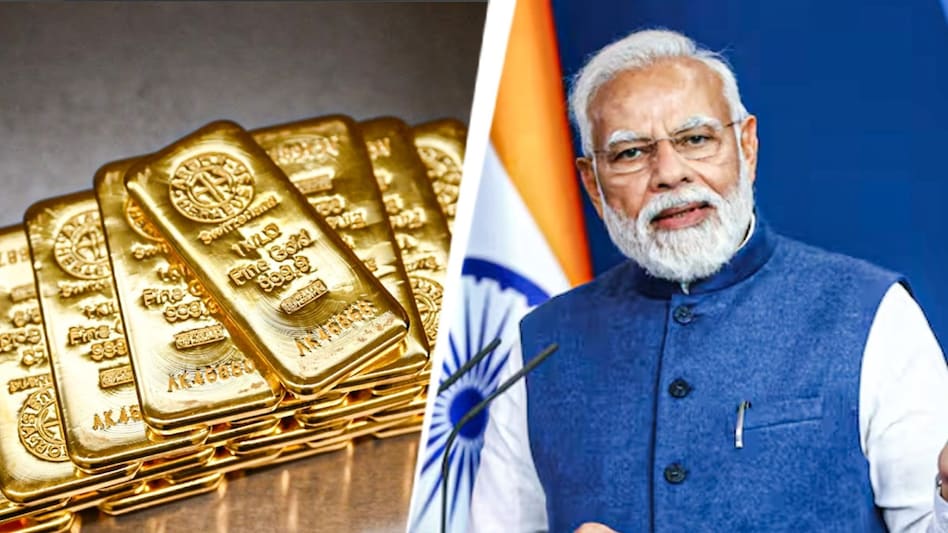
In a single address, PM Narendra Modi asked Indians to pause buying gold for weddings for one year and to avoid destination weddings abroad. Taken individually, each appeal might have seemed like a nudge. Together, they amount to a pointed message: the global energy crisis is now personal, and Indian wedding plans may need to change.
The gold ask
When PM Modi said, "I would appeal to people not to buy gold for weddings for one year," it did not land as routine policy. In a country where gold anchors everything from family savings to wedding rituals, it cut close to home. But the reasoning is economic, and urgent.
DON'T MISS: PM Modi asks Indians to stop buying gold for one year: Here is the rupee math behind why you shouldn't
India is one of the world's largest gold importers, and nearly 85% of its crude oil is imported too. Both are paid for in US dollars. When global crude prices surged from around $70 per barrel to nearly $126 per barrel, driven by the Middle East conflict and tensions around the Strait of Hormuz, India's import bill ballooned and the rupee slid to record lows against the dollar.
Gold, unlike oil, is discretionary. No factory shuts down without jewellery. But when millions of households buy imported gold simultaneously, the effect on the currency is real. More gold imports mean more dollars flowing out, widening India's current account deficit and putting further pressure on the rupee. A weaker rupee then makes every import more expensive, including oil, feeding a cycle of inflation that stretches household budgets further.
The destination wedding ask
The second blow to wedding plans came from a different direction. Speaking at Parade Ground in Hyderabad, PM Modi made a direct appeal to Indians to skip foreign vacations this summer, and specifically to cancel destination weddings abroad. He framed the ask not as a sacrifice but as what he called a "national responsibility."
Destination weddings in Southeast Asia, the Gulf, and Europe have become a significant dollar drain, particularly during peak seasons when overseas bookings are already at a high. With foreign exchange reserves under pressure and the rupee weakened by soaring oil prices, compounded by the US-Iran crisis, PM Modi urged citizens to keep spending at home.
DO CHECKOUT: Why PM Modi asked Indians to skip overseas vacations for one year?
What it means for wedding season
For Indian families, mid-planning, the twin appeals create a genuine dilemma. Gold is not a decorative afterthought at Indian weddings; it is currency, inheritance, and social statement rolled into one. Forgoing it, even partially, requires a cultural shift that no single speech can engineer overnight.
Destination weddings, meanwhile, have grown from niche luxury to an aspirational milestone for a widening slice of the middle and upper-middle class. Cancelling or relocating those plans involves deposits, vendors, and expectations set months in advance.
The Indian wedding, long a celebration of abundance, is facing an unusual kind of pressure this year, and it is coming straight from the Prime Minister.
In a single address, PM Narendra Modi asked Indians to pause buying gold for weddings for one year and to avoid destination weddings abroad. Taken individually, each appeal might have seemed like a nudge. Together, they amount to a pointed message: the global energy crisis is now personal, and Indian wedding plans may need to change.
The gold ask
When PM Modi said, "I would appeal to people not to buy gold for weddings for one year," it did not land as routine policy. In a country where gold anchors everything from family savings to wedding rituals, it cut close to home. But the reasoning is economic, and urgent.
DON'T MISS: PM Modi asks Indians to stop buying gold for one year: Here is the rupee math behind why you shouldn't
India is one of the world's largest gold importers, and nearly 85% of its crude oil is imported too. Both are paid for in US dollars. When global crude prices surged from around $70 per barrel to nearly $126 per barrel, driven by the Middle East conflict and tensions around the Strait of Hormuz, India's import bill ballooned and the rupee slid to record lows against the dollar.
Gold, unlike oil, is discretionary. No factory shuts down without jewellery. But when millions of households buy imported gold simultaneously, the effect on the currency is real. More gold imports mean more dollars flowing out, widening India's current account deficit and putting further pressure on the rupee. A weaker rupee then makes every import more expensive, including oil, feeding a cycle of inflation that stretches household budgets further.
The destination wedding ask
The second blow to wedding plans came from a different direction. Speaking at Parade Ground in Hyderabad, PM Modi made a direct appeal to Indians to skip foreign vacations this summer, and specifically to cancel destination weddings abroad. He framed the ask not as a sacrifice but as what he called a "national responsibility."
Destination weddings in Southeast Asia, the Gulf, and Europe have become a significant dollar drain, particularly during peak seasons when overseas bookings are already at a high. With foreign exchange reserves under pressure and the rupee weakened by soaring oil prices, compounded by the US-Iran crisis, PM Modi urged citizens to keep spending at home.
DO CHECKOUT: Why PM Modi asked Indians to skip overseas vacations for one year?
What it means for wedding season
For Indian families, mid-planning, the twin appeals create a genuine dilemma. Gold is not a decorative afterthought at Indian weddings; it is currency, inheritance, and social statement rolled into one. Forgoing it, even partially, requires a cultural shift that no single speech can engineer overnight.
Destination weddings, meanwhile, have grown from niche luxury to an aspirational milestone for a widening slice of the middle and upper-middle class. Cancelling or relocating those plans involves deposits, vendors, and expectations set months in advance.