
Light to moderate rains lash Mumbai, offer relief from heat
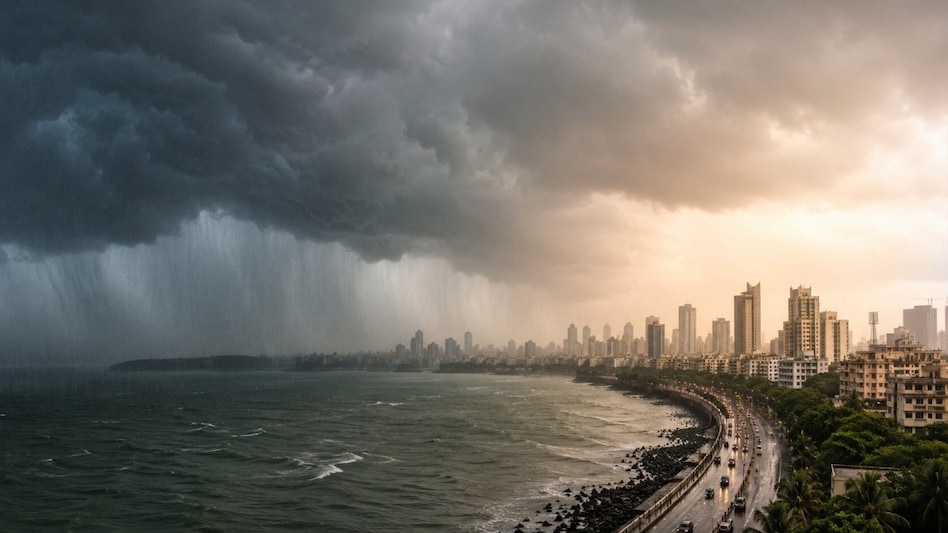
The southwest monsoon had already reached Mumbai, bringing moisture from the Arabian Sea.
- Jun 21, 2026,
- Updated Jun 21, 2026 2:02 PM IST
Light to moderate rainfall returned to parts of Mumbai on Sunday, bringing much-needed relief from the humid conditions that had gripped the city despite the arrival of the southwest monsoon weeks ago.
Weather observers said the city's recent dry spell was not due to a weak monsoon but because of dry air at mid-levels of the atmosphere that had been suppressing rain-bearing clouds, according to a report by India Today.
Independent weather trackers monitoring conditions over the Mumbai Metropolitan Region (MMR) on Saturday evening reported rainbands developing over the region, while localised storm cells formed over the Western Ghats and began moving towards the coast.
They also noted that the dry air layer that had been restricting cloud growth for days was gradually weakening.
Don't Miss: Explained: Why Rajasthan is getting more rain than Maharashtra this June
The southwest monsoon had already reached Mumbai, bringing moisture from the Arabian Sea. However, meteorologists said dry air sitting in the middle levels of the atmosphere prevented clouds from growing tall enough to produce significant rainfall.
The clouds responsible for Mumbai's monsoon showers are towering convective clouds known as cumulonimbus. These form when warm, moisture-laden air rises rapidly, cools and condenses into water droplets. But when dry air gets pulled into these developing clouds, it causes the droplets to evaporate faster than they can form, weakening or even collapsing the cloud before rain reaches the ground.
Meteorologists call this process entrainment. A simpler way to think of it: dry air is the monsoon's oxygen thief.
Weather observers said this dry air intrusion is now weakening, allowing rain-bearing systems to strengthen over the region.
Rainbands and Western Ghats storms
One key development has been the formation of rainbands over Mumbai and the MMR.
Unlike isolated thunderstorms, rainbands are organised structures made up of multiple convective cells aligned along prevailing winds. Continuously fed by moisture from the Arabian Sea, they tend to last longer, cover larger areas and produce more sustained rainfall.
At the same time, intense localised storm cells, often referred to as pop-ups, were observed forming over the Western Ghats. These storms develop when moisture-laden winds from the Arabian Sea are forced upward by the mountain range, a process known as orographic lifting. As the air rises and cools, moisture condenses into clouds, triggering strong convection.
When steering winds push these storm cells westward, they can bring rain to Mumbai and neighbouring coastal areas.
Why south Mumbai gets rain first
Forecasters said south Mumbai was likely to receive rainfall before the northern suburbs and parts of Thane. Located at the southern tip of the peninsula and surrounded by water on three sides, south Mumbai is the first part of the city to receive moisture moving inland from the Arabian Sea.
Weather experts have also flagged the possibility of thundershowers. These occur when clouds grow high enough to reach freezing temperatures, allowing ice particles and soft hailstones known as graupel to collide and generate electrical charges that produce lightning.
Heavier spell likely next week
Light to moderate rainfall is expected to continue across Mumbai, with meteorologists anticipating a stronger spell around June 25 and 26. The intensification could be linked to a broader strengthening of the monsoon system, possibly aided by the monsoon trough — a low-pressure zone stretching across central India that helps draw moisture from the Arabian Sea.
Mumbai's monsoon typically alternates between active and suppressed phases. According to weather observers, the current suppressed spell appears to be ending, setting the stage for more widespread rainfall across the city in the coming days.
Light to moderate rainfall returned to parts of Mumbai on Sunday, bringing much-needed relief from the humid conditions that had gripped the city despite the arrival of the southwest monsoon weeks ago.
Weather observers said the city's recent dry spell was not due to a weak monsoon but because of dry air at mid-levels of the atmosphere that had been suppressing rain-bearing clouds, according to a report by India Today.
Independent weather trackers monitoring conditions over the Mumbai Metropolitan Region (MMR) on Saturday evening reported rainbands developing over the region, while localised storm cells formed over the Western Ghats and began moving towards the coast.
They also noted that the dry air layer that had been restricting cloud growth for days was gradually weakening.
Don't Miss: Explained: Why Rajasthan is getting more rain than Maharashtra this June
The southwest monsoon had already reached Mumbai, bringing moisture from the Arabian Sea. However, meteorologists said dry air sitting in the middle levels of the atmosphere prevented clouds from growing tall enough to produce significant rainfall.
The clouds responsible for Mumbai's monsoon showers are towering convective clouds known as cumulonimbus. These form when warm, moisture-laden air rises rapidly, cools and condenses into water droplets. But when dry air gets pulled into these developing clouds, it causes the droplets to evaporate faster than they can form, weakening or even collapsing the cloud before rain reaches the ground.
Meteorologists call this process entrainment. A simpler way to think of it: dry air is the monsoon's oxygen thief.
Weather observers said this dry air intrusion is now weakening, allowing rain-bearing systems to strengthen over the region.
Rainbands and Western Ghats storms
One key development has been the formation of rainbands over Mumbai and the MMR.
Unlike isolated thunderstorms, rainbands are organised structures made up of multiple convective cells aligned along prevailing winds. Continuously fed by moisture from the Arabian Sea, they tend to last longer, cover larger areas and produce more sustained rainfall.
At the same time, intense localised storm cells, often referred to as pop-ups, were observed forming over the Western Ghats. These storms develop when moisture-laden winds from the Arabian Sea are forced upward by the mountain range, a process known as orographic lifting. As the air rises and cools, moisture condenses into clouds, triggering strong convection.
When steering winds push these storm cells westward, they can bring rain to Mumbai and neighbouring coastal areas.
Why south Mumbai gets rain first
Forecasters said south Mumbai was likely to receive rainfall before the northern suburbs and parts of Thane. Located at the southern tip of the peninsula and surrounded by water on three sides, south Mumbai is the first part of the city to receive moisture moving inland from the Arabian Sea.
Weather experts have also flagged the possibility of thundershowers. These occur when clouds grow high enough to reach freezing temperatures, allowing ice particles and soft hailstones known as graupel to collide and generate electrical charges that produce lightning.
Heavier spell likely next week
Light to moderate rainfall is expected to continue across Mumbai, with meteorologists anticipating a stronger spell around June 25 and 26. The intensification could be linked to a broader strengthening of the monsoon system, possibly aided by the monsoon trough — a low-pressure zone stretching across central India that helps draw moisture from the Arabian Sea.
Mumbai's monsoon typically alternates between active and suppressed phases. According to weather observers, the current suppressed spell appears to be ending, setting the stage for more widespread rainfall across the city in the coming days.