
You switched from LPG to PNG—but here’s what can still go wrong
From hidden maintenance requirements to specific safety protocols, here is what you need to know to keep your home safe and your supply uninterrupted.
- Mar 31, 2026,
- Updated Mar 31, 2026 3:12 PM IST
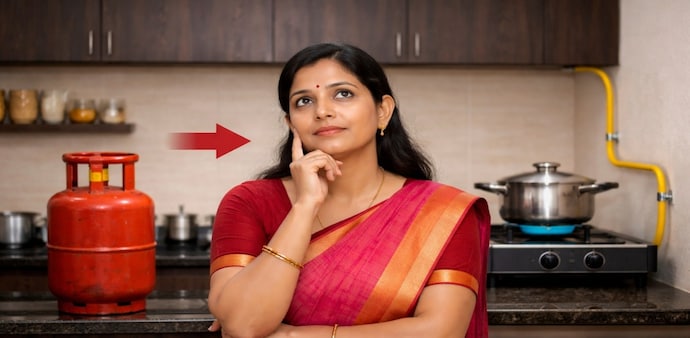
Under the recent government guidelines, you are prohibited from keeping an LPG cylinder as a backup option once you have a PNG connection. Moving from cylinders to a piped connection feels like a major upgrade, but it’s not entirely "set it and forget it." While you’ve traded the hassle of refills for the convenience of a tap, a new system brings a new set of rules.
From hidden maintenance requirements to specific safety protocols, here is what you need to know to keep your home safe and your supply uninterrupted.
Common risks and issues you can face
- Retrofitting LPG stoves for PNG, i.e. modifying nozzles, often results in inefficient combustion, wasting around 25 per cent of the gas, meaning higher bills for lesser heat. In such a case, it is recommended to use a dedicated PNG-compatible stove.
- PNG has a lower calorific value compared to LPG, implying higher cooking times.
- Rubber hoses connecting the PNG pipe to your stove typically last around 18 months and can become brittle or damaged by rodents.
- While PNG is generally safer because it is lighter than air and it disperses upwards, leaks in pipelines hidden behind walls or in unventilated enclosures can be harder to detect and can lead to gas accumulation.
- Unlike portable cylinders, the PNG supply is entirely dependent on the physical pipeline grid. Major damage to a main supply line can impact an entire neighbourhood.
- The process involves drilling and modifying internal infrastructure, which can be messy and time-consuming; it takes up to 3 months to become operational.
DON'T MISS | Switched to PNG? You could be losing 25% of the gas you pay for
PNG vs LPG: Which is costlier?
Initial connection fees and security deposits to set up a PNG connection typically range from ₹5,000 to ₹9,000. This is significantly higher than starting an LPG connection. Subsidised LPG cylinders may be cheaper for very low-usage households than the fixed costs and metered billing of PNG.
Safety protocols to bear in mind
While switching from LPG to PNG, one must pay close attention to safety protocols. These include:
Expert stove conversion: Using an unconverted stove is a fire hazard as PNG flows at a lower pressure than LPG. You must hire an authorised technician to replace LPG nozzles with PNG-compatible ones. After this, a professional must verify the switch with a leak and flame test to ensure a safe, efficient burn.
Installation and maintenance: Pipelines and meters must remain exposed for easy inspection and to prevent gas buildup. You should use only company-approved hoses, check them regularly for damage and replace them every 18 months. Keep a minimum 300 mm gap between gas lines and electrical points to avoid sparks.
Legal obligations: Under the March 2026 order, you have a 30-day window after PNG activation to surrender your LPG cylinders or place them in safe custody via the digital portal to receive your deposit refund.
Routine: Close the appliance valve after every use and the main meter valve if leaving home for more than 24 hours.
Leaks: In case of a leak, open windows immediately and do not touch electrical switches or use phones nearby. Close the meter valves and evacuate before calling for help.
DON'T MISS | LPG, CNG, PNG rates today, March 31: Check latest prices in Delhi, Mumbai, Chennai, Kolkata and other cities
Under the recent government guidelines, you are prohibited from keeping an LPG cylinder as a backup option once you have a PNG connection. Moving from cylinders to a piped connection feels like a major upgrade, but it’s not entirely "set it and forget it." While you’ve traded the hassle of refills for the convenience of a tap, a new system brings a new set of rules.
From hidden maintenance requirements to specific safety protocols, here is what you need to know to keep your home safe and your supply uninterrupted.
Common risks and issues you can face
- Retrofitting LPG stoves for PNG, i.e. modifying nozzles, often results in inefficient combustion, wasting around 25 per cent of the gas, meaning higher bills for lesser heat. In such a case, it is recommended to use a dedicated PNG-compatible stove.
- PNG has a lower calorific value compared to LPG, implying higher cooking times.
- Rubber hoses connecting the PNG pipe to your stove typically last around 18 months and can become brittle or damaged by rodents.
- While PNG is generally safer because it is lighter than air and it disperses upwards, leaks in pipelines hidden behind walls or in unventilated enclosures can be harder to detect and can lead to gas accumulation.
- Unlike portable cylinders, the PNG supply is entirely dependent on the physical pipeline grid. Major damage to a main supply line can impact an entire neighbourhood.
- The process involves drilling and modifying internal infrastructure, which can be messy and time-consuming; it takes up to 3 months to become operational.
DON'T MISS | Switched to PNG? You could be losing 25% of the gas you pay for
PNG vs LPG: Which is costlier?
Initial connection fees and security deposits to set up a PNG connection typically range from ₹5,000 to ₹9,000. This is significantly higher than starting an LPG connection. Subsidised LPG cylinders may be cheaper for very low-usage households than the fixed costs and metered billing of PNG.
Safety protocols to bear in mind
While switching from LPG to PNG, one must pay close attention to safety protocols. These include:
Expert stove conversion: Using an unconverted stove is a fire hazard as PNG flows at a lower pressure than LPG. You must hire an authorised technician to replace LPG nozzles with PNG-compatible ones. After this, a professional must verify the switch with a leak and flame test to ensure a safe, efficient burn.
Installation and maintenance: Pipelines and meters must remain exposed for easy inspection and to prevent gas buildup. You should use only company-approved hoses, check them regularly for damage and replace them every 18 months. Keep a minimum 300 mm gap between gas lines and electrical points to avoid sparks.
Legal obligations: Under the March 2026 order, you have a 30-day window after PNG activation to surrender your LPG cylinders or place them in safe custody via the digital portal to receive your deposit refund.
Routine: Close the appliance valve after every use and the main meter valve if leaving home for more than 24 hours.
Leaks: In case of a leak, open windows immediately and do not touch electrical switches or use phones nearby. Close the meter valves and evacuate before calling for help.
DON'T MISS | LPG, CNG, PNG rates today, March 31: Check latest prices in Delhi, Mumbai, Chennai, Kolkata and other cities