
Reliance caps fuel purchases at ₹1,000 in some pumps amid supply disruptions: Report
Meanwhile, authorities said refineries are operating at high capacity with adequate crude inventories, while domestic LPG production has been increased.
- Apr 9, 2026,
- Updated Apr 9, 2026 9:12 PM IST
Reliance Industries (RIL) has capped fuel purchases at some of its retail outlets — limiting customers to about ₹1,000 worth of petrol or diesel — as the ongoing conflict in West Asia continues to disrupt global energy supplies despite a tentative ceasefire.
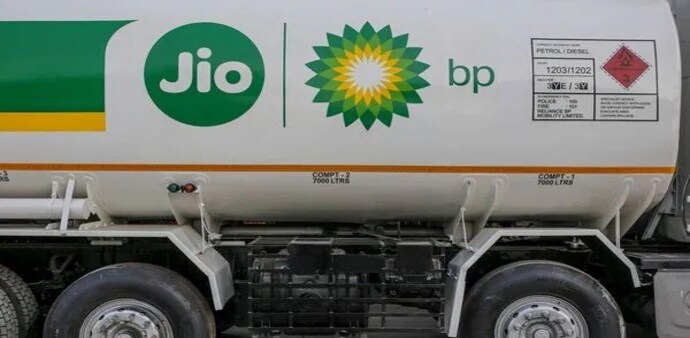
The country’s largest private-sector refiner is restricting purchases at fuel stations it operates with partner BP, according to a Bloomberg report. While no formal directive has been issued, operators of Jio-BP pumps have begun enforcing the caps to prevent panic buying and ensure outlets do not run dry as demand spikes.
The joint venture operates more than 2,000 fuel stations across India. A Reliance spokesperson told Bloomberg that the company has not imposed any official limit, describing such caps as “localised” measures taken by individual operators.
Business Today was unable to verify the development independently.
Reliance operates only about 2% of India’s more than 102,000 fuel stations, but it is the first operator reported to move beyond price increases to rationing supply. State-run companies — Indian Oil Corporation, Bharat Petroleum Corporation and Hindustan Petroleum Corporation — which control most fuel outlets, have not announced price hikes or caps, though drivers have reported similar ₹1,000 limits at some pumps.
Private retailer Nayara Energy, partly owned by Rosneft, raised petrol and diesel prices last month to reduce retail losses and moderate consumption.
The rationing reports come as India, the world’s third-largest oil consumer, grapples with supply uncertainty after the near-closure of the Strait of Hormuz — a critical route for global shipments of crude oil, petroleum products and natural gas. Although a fragile US-Iran truce is in place, tanker traffic remains disrupted and insurers continue to classify the area as high-risk.
Government says supplies stable
The Ministry of Petroleum and Natural Gas said the government is closely monitoring the situation and urged citizens not to panic buy fuel or LPG. Consumers have been encouraged to use digital LPG booking platforms, conserve energy and consider alternatives such as piped natural gas (PNG), induction cooktops or electric appliances.
Authorities said refineries are operating at high capacity with adequate crude inventories, while domestic LPG production has been increased. The government has extended LPG booking intervals to 25 days in urban areas and up to 45 days in rural regions, and made alternate fuels such as kerosene and coal available. Additional coal supplies have been directed from Coal India and Singareni Collieries Company Limited.
Officials said domestic LPG supply remains stable, with no distributorship reporting dry-outs. Online bookings account for about 98% of orders, while DAC-authenticated deliveries have reached 92%. On April 8 alone, over 5.15 million domestic LPG cylinders were delivered.
Commercial LPG supply has been restored to about 70% of pre-crisis levels, with priority allocations for industries including pharmaceuticals, food processing, agriculture and steel. Since mid-March, about 99,796 metric tonnes of commercial LPG — equivalent to more than 5.25 million 19-kg cylinders — have been sold nationwide.
To support vulnerable groups, the government has doubled distribution of 5-kg Free Trade LPG cylinders for migrant workers and students, with more than 10 lakh cylinders sold since March 23. Authorities said fuel availability at retail outlets remains normal.
Reliance Industries (RIL) has capped fuel purchases at some of its retail outlets — limiting customers to about ₹1,000 worth of petrol or diesel — as the ongoing conflict in West Asia continues to disrupt global energy supplies despite a tentative ceasefire.
The country’s largest private-sector refiner is restricting purchases at fuel stations it operates with partner BP, according to a Bloomberg report. While no formal directive has been issued, operators of Jio-BP pumps have begun enforcing the caps to prevent panic buying and ensure outlets do not run dry as demand spikes.
The joint venture operates more than 2,000 fuel stations across India. A Reliance spokesperson told Bloomberg that the company has not imposed any official limit, describing such caps as “localised” measures taken by individual operators.
Business Today was unable to verify the development independently.
Reliance operates only about 2% of India’s more than 102,000 fuel stations, but it is the first operator reported to move beyond price increases to rationing supply. State-run companies — Indian Oil Corporation, Bharat Petroleum Corporation and Hindustan Petroleum Corporation — which control most fuel outlets, have not announced price hikes or caps, though drivers have reported similar ₹1,000 limits at some pumps.
Private retailer Nayara Energy, partly owned by Rosneft, raised petrol and diesel prices last month to reduce retail losses and moderate consumption.
The rationing reports come as India, the world’s third-largest oil consumer, grapples with supply uncertainty after the near-closure of the Strait of Hormuz — a critical route for global shipments of crude oil, petroleum products and natural gas. Although a fragile US-Iran truce is in place, tanker traffic remains disrupted and insurers continue to classify the area as high-risk.
Government says supplies stable
The Ministry of Petroleum and Natural Gas said the government is closely monitoring the situation and urged citizens not to panic buy fuel or LPG. Consumers have been encouraged to use digital LPG booking platforms, conserve energy and consider alternatives such as piped natural gas (PNG), induction cooktops or electric appliances.
Authorities said refineries are operating at high capacity with adequate crude inventories, while domestic LPG production has been increased. The government has extended LPG booking intervals to 25 days in urban areas and up to 45 days in rural regions, and made alternate fuels such as kerosene and coal available. Additional coal supplies have been directed from Coal India and Singareni Collieries Company Limited.
Officials said domestic LPG supply remains stable, with no distributorship reporting dry-outs. Online bookings account for about 98% of orders, while DAC-authenticated deliveries have reached 92%. On April 8 alone, over 5.15 million domestic LPG cylinders were delivered.
Commercial LPG supply has been restored to about 70% of pre-crisis levels, with priority allocations for industries including pharmaceuticals, food processing, agriculture and steel. Since mid-March, about 99,796 metric tonnes of commercial LPG — equivalent to more than 5.25 million 19-kg cylinders — have been sold nationwide.
To support vulnerable groups, the government has doubled distribution of 5-kg Free Trade LPG cylinders for migrant workers and students, with more than 10 lakh cylinders sold since March 23. Authorities said fuel availability at retail outlets remains normal.