
Russia ready to divert 9.5 million barrels of crude to India as Hormuz disruption hits supply
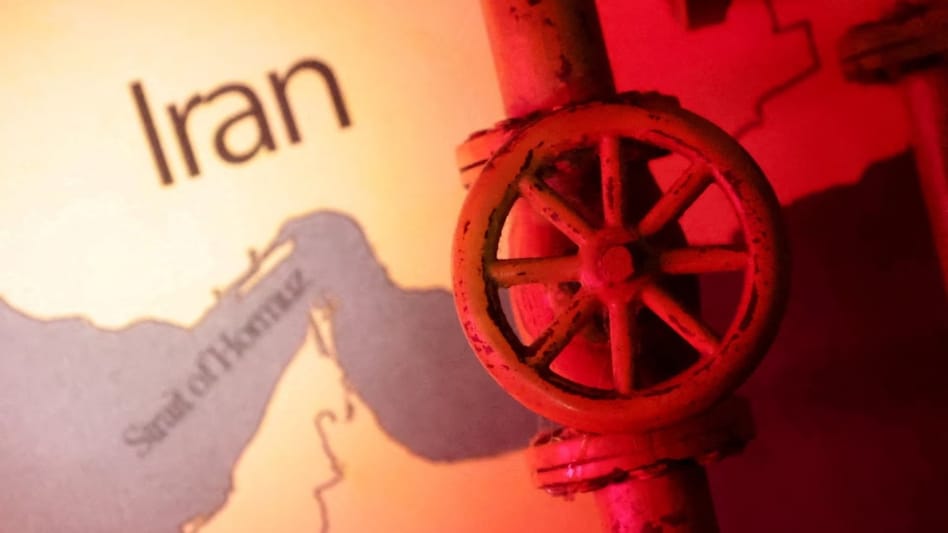
The situation largely stems from instability around the Strait of Hormuz, the narrow maritime corridor that handles a major share of the world’s oil exports
- Mar 5, 2026,
- Updated Mar 5, 2026 8:08 AM IST
Russia is prepared to redirect crude shipments to India as escalating conflict in the Middle East threatens oil flows through the Strait of Hormuz, a crucial route for global energy trade.
Around 9.5 million barrels of Russian crude are currently aboard vessels near Indian waters and could be delivered within weeks, offering Indian refiners quick relief if supply disruptions worsen, an industry source familiar with the trade told Reuters.
The source did not specify where the cargoes were originally headed but said shipments carried by non-Russian fleet vessels could be redirected to India quickly if needed.
India seeks alternative supplies
India’s limited oil reserves make it vulnerable to sudden disruptions in global supply. It holds crude stocks that cover about 25 days of demand, while inventories of refined products such as diesel, petrol and liquefied petroleum gas are also relatively modest.
An Indian government source told Reuters that New Delhi has started exploring alternative supply options as the Middle East conflict could continue for another 10–15 days, potentially affecting shipments.
The risk largely stems from instability around the Strait of Hormuz, the narrow maritime corridor that handles a major share of the world’s oil exports. About 40% of India’s crude imports move through the strait, making it a critical lifeline for the country’s energy needs.
India’s refineries process roughly 5.6 million barrels of oil per day, meaning any prolonged disruption in shipping routes could quickly tighten supplies.
Russia signals readiness
Industry sources say Moscow is prepared to help bridge the gap if Middle Eastern supplies falter, potentially meeting up to 40% of India’s crude requirements.
India’s imports of Russian oil had dropped earlier this year. Shipments fell to around 1.1 million barrels per day in January, the lowest level since November 2022, as New Delhi sought to ease trade tensions with the United States. Russia’s share of India’s crude imports declined to 21.2%, though it recovered to about 30% in February, according to industry data.
Indian refiners remain in contact with traders dealing in Russian crude, but any significant increase in purchases would depend on government guidance as trade discussions with Washington continue, two refining sources said.
Last month, US President Donald Trump removed tariffs imposed on Indian imports linked to purchases of Russian oil, saying New Delhi had agreed to "stop buying Russian oil."
India has not adopted such a policy, maintaining that it sources energy based on market conditions and "evolving international dynamics."
Market tightening
The disruption in the Gulf is also reshaping global energy markets. Russian crude has traded at discounted prices since the Ukraine war began in 2022, but that advantage may narrow as supply tightens.
As the industry source put it, "it's become a sellers' market."
Russia has also indicated it could supply liquefied natural gas to India after Qatar halted production earlier this week as the regional conflict intensified.
(With inputs from Reuters)s
Russia is prepared to redirect crude shipments to India as escalating conflict in the Middle East threatens oil flows through the Strait of Hormuz, a crucial route for global energy trade.
Around 9.5 million barrels of Russian crude are currently aboard vessels near Indian waters and could be delivered within weeks, offering Indian refiners quick relief if supply disruptions worsen, an industry source familiar with the trade told Reuters.
The source did not specify where the cargoes were originally headed but said shipments carried by non-Russian fleet vessels could be redirected to India quickly if needed.
India seeks alternative supplies
India’s limited oil reserves make it vulnerable to sudden disruptions in global supply. It holds crude stocks that cover about 25 days of demand, while inventories of refined products such as diesel, petrol and liquefied petroleum gas are also relatively modest.
An Indian government source told Reuters that New Delhi has started exploring alternative supply options as the Middle East conflict could continue for another 10–15 days, potentially affecting shipments.
The risk largely stems from instability around the Strait of Hormuz, the narrow maritime corridor that handles a major share of the world’s oil exports. About 40% of India’s crude imports move through the strait, making it a critical lifeline for the country’s energy needs.
India’s refineries process roughly 5.6 million barrels of oil per day, meaning any prolonged disruption in shipping routes could quickly tighten supplies.
Russia signals readiness
Industry sources say Moscow is prepared to help bridge the gap if Middle Eastern supplies falter, potentially meeting up to 40% of India’s crude requirements.
India’s imports of Russian oil had dropped earlier this year. Shipments fell to around 1.1 million barrels per day in January, the lowest level since November 2022, as New Delhi sought to ease trade tensions with the United States. Russia’s share of India’s crude imports declined to 21.2%, though it recovered to about 30% in February, according to industry data.
Indian refiners remain in contact with traders dealing in Russian crude, but any significant increase in purchases would depend on government guidance as trade discussions with Washington continue, two refining sources said.
Last month, US President Donald Trump removed tariffs imposed on Indian imports linked to purchases of Russian oil, saying New Delhi had agreed to "stop buying Russian oil."
India has not adopted such a policy, maintaining that it sources energy based on market conditions and "evolving international dynamics."
Market tightening
The disruption in the Gulf is also reshaping global energy markets. Russian crude has traded at discounted prices since the Ukraine war began in 2022, but that advantage may narrow as supply tightens.
As the industry source put it, "it's become a sellers' market."
Russia has also indicated it could supply liquefied natural gas to India after Qatar halted production earlier this week as the regional conflict intensified.
(With inputs from Reuters)s