
Tanker traffic through Strait of Hormuz collapses 92% amid escalating US–Iran conflict
Recent data from energy intelligence firm Kpler shows that tanker movements through the strategic waterway have dropped dramatically since the start of US–Israeli military operations against Iran. The Strait of Hormuz typically handles around one-fifth of the world’s crude oil shipments.
- Mar 4, 2026,
- Updated Mar 4, 2026 10:10 PM IST
Oil tanker traffic through the Strait of Hormuz has collapsed by about 92%, marking one of the sharpest disruptions to global maritime energy flows in modern history as tensions escalate in the region.
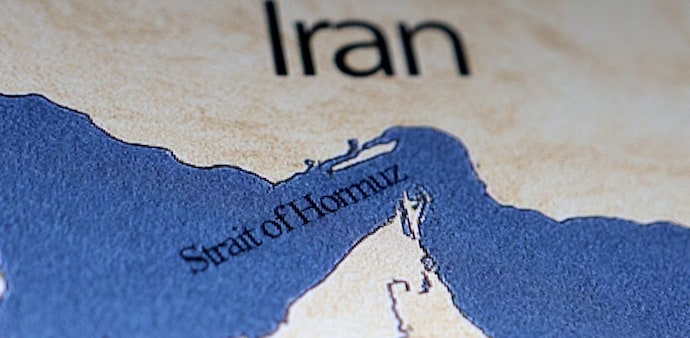
Recent data from energy intelligence firm Kpler shows that tanker movements through the strategic waterway have dropped dramatically since the start of US–Israeli military operations against Iran. The Strait of Hormuz, a narrow passage linking the Persian Gulf to the Gulf of Oman, typically handles around one-fifth of the world’s crude oil shipments, making it one of the most critical chokepoints in global energy trade.
The sudden decline in tanker activity highlights the growing security risks facing vessels operating in the region. Iranian military officials have warned ships against attempting the passage, while several recent incidents at sea have heightened fears of attacks.
According to Kpler, despite the severe disruption, a small number of tankers are still attempting to cross the strait.
“Unlike several other vessel segments where movements have largely ceased, some tankers are still travelling east and west through the strait, with a number of voyages occurring under AIS blackouts,” said Matt Wright, Principal Freight Analyst at Kpler, referring to ships switching off their Automatic Identification System (AIS) tracking signals to avoid detection.
Iran and Strait of Hormuz
The Strait of Hormuz is approximately 33 kilometres wide at its narrowest point and serves as the primary export route for oil and liquefied natural gas from major Gulf producers including Saudi Arabia, Kuwait, Iraq, Qatar, Bahrain, the United Arab Emirates and Iran. Most of these exports are destined for Asian markets, particularly China, Japan and South Korea.
While some alternative pipelines exist in Saudi Arabia and the UAE, analysts say these routes can only handle a limited share of Gulf production, leaving the majority of exports dependent on the strait.
Shipping activity has fallen sharply as global maritime companies respond to the deteriorating security situation. Major shipping lines, including Maersk, Hapag-Lloyd, CMA CGM and MSC have suspended operations in the region, citing safety concerns and rising insurance risks.
At the same time, maritime insurers have withdrawn coverage for vessels operating in or near the strait, making it difficult for tankers to continue operations.
Shipping data suggests that thousands of vessels are now idling inside or near the Persian Gulf, while others remain anchored outside the region waiting for clearer security conditions.
Iran has reinforced its warning against commercial shipping. Brigadier General Ebrahim Jabbari, a senior adviser to the commander-in-chief of Iran’s Revolutionary Guard, warned that vessels attempting to cross the strait could be targeted.
“We will attack and set ablaze any ship attempting to cross,” he said.
Despite the rhetoric, US military operations have targeted Iranian naval capabilities in the region. According to US Central Command (CENTCOM), several Iranian naval vessels operating near the Gulf of Oman have been damaged or disabled as part of the ongoing campaign.
Nevertheless, the collapse in tanker traffic has already begun to ripple through global energy markets. Analysts warn that if disruptions continue, crude oil prices could surge further and supply chains across energy-dependent economies could face significant strain.
Oil tanker traffic through the Strait of Hormuz has collapsed by about 92%, marking one of the sharpest disruptions to global maritime energy flows in modern history as tensions escalate in the region.
Recent data from energy intelligence firm Kpler shows that tanker movements through the strategic waterway have dropped dramatically since the start of US–Israeli military operations against Iran. The Strait of Hormuz, a narrow passage linking the Persian Gulf to the Gulf of Oman, typically handles around one-fifth of the world’s crude oil shipments, making it one of the most critical chokepoints in global energy trade.
The sudden decline in tanker activity highlights the growing security risks facing vessels operating in the region. Iranian military officials have warned ships against attempting the passage, while several recent incidents at sea have heightened fears of attacks.
According to Kpler, despite the severe disruption, a small number of tankers are still attempting to cross the strait.
“Unlike several other vessel segments where movements have largely ceased, some tankers are still travelling east and west through the strait, with a number of voyages occurring under AIS blackouts,” said Matt Wright, Principal Freight Analyst at Kpler, referring to ships switching off their Automatic Identification System (AIS) tracking signals to avoid detection.
Iran and Strait of Hormuz
The Strait of Hormuz is approximately 33 kilometres wide at its narrowest point and serves as the primary export route for oil and liquefied natural gas from major Gulf producers including Saudi Arabia, Kuwait, Iraq, Qatar, Bahrain, the United Arab Emirates and Iran. Most of these exports are destined for Asian markets, particularly China, Japan and South Korea.
While some alternative pipelines exist in Saudi Arabia and the UAE, analysts say these routes can only handle a limited share of Gulf production, leaving the majority of exports dependent on the strait.
Shipping activity has fallen sharply as global maritime companies respond to the deteriorating security situation. Major shipping lines, including Maersk, Hapag-Lloyd, CMA CGM and MSC have suspended operations in the region, citing safety concerns and rising insurance risks.
At the same time, maritime insurers have withdrawn coverage for vessels operating in or near the strait, making it difficult for tankers to continue operations.
Shipping data suggests that thousands of vessels are now idling inside or near the Persian Gulf, while others remain anchored outside the region waiting for clearer security conditions.
Iran has reinforced its warning against commercial shipping. Brigadier General Ebrahim Jabbari, a senior adviser to the commander-in-chief of Iran’s Revolutionary Guard, warned that vessels attempting to cross the strait could be targeted.
“We will attack and set ablaze any ship attempting to cross,” he said.
Despite the rhetoric, US military operations have targeted Iranian naval capabilities in the region. According to US Central Command (CENTCOM), several Iranian naval vessels operating near the Gulf of Oman have been damaged or disabled as part of the ongoing campaign.
Nevertheless, the collapse in tanker traffic has already begun to ripple through global energy markets. Analysts warn that if disruptions continue, crude oil prices could surge further and supply chains across energy-dependent economies could face significant strain.