
Three-week wait at Hormuz: How this Indian LPG ship made it out of the war-hit strait
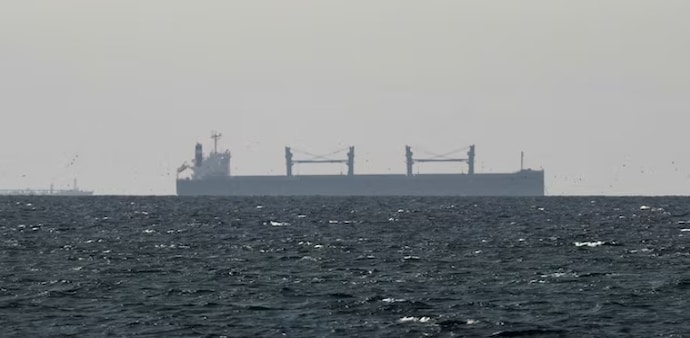
The Indian-flagged tanker Pine Gas had loaded cargo at the UAE’s Ruwais port a day before Israel and the United States launched strikes on Iran on February 28
- Apr 1, 2026,
- Updated Apr 1, 2026 11:32 AM IST
What was meant to be a routine week-long voyage turned into a three-week wait at sea for an Indian LPG tanker, caught in the middle of a conflict that reshaped one of the world’s busiest energy routes.
The Indian-flagged tanker Pine Gas had loaded cargo at the UAE’s Ruwais port a day before Israel and the United States launched strikes on Iran on February 28. Instead of a direct return, the vessel remained stranded for weeks before finally crossing the Strait of Hormuz under tightly controlled conditions.
ALSO READ: LPG prices increase: Commercial cylinders up by ₹195–₹218 amid global oil surge
Waiting under fire
As tensions escalated, the crew found themselves in a conflict zone.
Chief Officer Sohan Lal said the 27 Indian crew members witnessed missiles and drones passing overhead almost daily while waiting for clearance. In footage reviewed by Reuters, multiple projectiles could be seen streaking across the night sky above the ship.
The crew had initially been told to prepare for departure around March 11, but the situation on the ground delayed any movement.
A route rarely used
Clearance finally came on March 23, but not through the usual shipping lanes.
Instead, the vessel was directed by Iran’s Islamic Revolutionary Guard Corps to take a narrow channel north of Larak Island, a route not typically used for commercial shipping. The regular passage through Hormuz was considered unsafe due to mining risks.
Before proceeding, authorities sought consent from every crew member.
“They needed a yes or a no from all crew,” Lal said. “Everyone onboard agreed.”
Escorted through conflict waters
Once underway, the tanker was guided through the critical stretch.
The Indian Navy provided navigation support during the transit, followed by an escort from four Indian warships for nearly 20 hours after the vessel entered the Gulf of Oman and the Arabian Sea.
Lal said the tanker was not charged any fee for the passage and was not boarded by Iranian forces.
The Indian Navy confirmed it has been escorting Indian-flagged vessels after they cross the strait, while the foreign ministry noted that naval presence in the region has been maintained for years to secure shipping routes.
Part of a larger supply challenge
The Pine Gas was carrying 45,000 metric tonnes of LPG, a key fuel for Indian households. Originally scheduled to unload at Mangalore, the cargo was later redirected to Visakhapatnam and Haldia.
India depends heavily on seaborne LPG imports, making disruptions in routes like the Strait of Hormuz a direct concern for domestic supply.
Iran has said it is allowing “friendly nations,” including India, to pass through the strait, but movement remains tightly controlled.
While six Indian ships have managed to exit, 18 Indian-flagged vessels carrying around 485 Indian seafarers are still in the Persian Gulf, underscoring the ongoing risks and delays in the region.
What was meant to be a routine week-long voyage turned into a three-week wait at sea for an Indian LPG tanker, caught in the middle of a conflict that reshaped one of the world’s busiest energy routes.
The Indian-flagged tanker Pine Gas had loaded cargo at the UAE’s Ruwais port a day before Israel and the United States launched strikes on Iran on February 28. Instead of a direct return, the vessel remained stranded for weeks before finally crossing the Strait of Hormuz under tightly controlled conditions.
ALSO READ: LPG prices increase: Commercial cylinders up by ₹195–₹218 amid global oil surge
Waiting under fire
As tensions escalated, the crew found themselves in a conflict zone.
Chief Officer Sohan Lal said the 27 Indian crew members witnessed missiles and drones passing overhead almost daily while waiting for clearance. In footage reviewed by Reuters, multiple projectiles could be seen streaking across the night sky above the ship.
The crew had initially been told to prepare for departure around March 11, but the situation on the ground delayed any movement.
A route rarely used
Clearance finally came on March 23, but not through the usual shipping lanes.
Instead, the vessel was directed by Iran’s Islamic Revolutionary Guard Corps to take a narrow channel north of Larak Island, a route not typically used for commercial shipping. The regular passage through Hormuz was considered unsafe due to mining risks.
Before proceeding, authorities sought consent from every crew member.
“They needed a yes or a no from all crew,” Lal said. “Everyone onboard agreed.”
Escorted through conflict waters
Once underway, the tanker was guided through the critical stretch.
The Indian Navy provided navigation support during the transit, followed by an escort from four Indian warships for nearly 20 hours after the vessel entered the Gulf of Oman and the Arabian Sea.
Lal said the tanker was not charged any fee for the passage and was not boarded by Iranian forces.
The Indian Navy confirmed it has been escorting Indian-flagged vessels after they cross the strait, while the foreign ministry noted that naval presence in the region has been maintained for years to secure shipping routes.
Part of a larger supply challenge
The Pine Gas was carrying 45,000 metric tonnes of LPG, a key fuel for Indian households. Originally scheduled to unload at Mangalore, the cargo was later redirected to Visakhapatnam and Haldia.
India depends heavily on seaborne LPG imports, making disruptions in routes like the Strait of Hormuz a direct concern for domestic supply.
Iran has said it is allowing “friendly nations,” including India, to pass through the strait, but movement remains tightly controlled.
While six Indian ships have managed to exit, 18 Indian-flagged vessels carrying around 485 Indian seafarers are still in the Persian Gulf, underscoring the ongoing risks and delays in the region.