
BT EXPLAINER: Why airfares will pinch you more in April
Domestic carriers have levied fuel surcharges amid rising aviation fuel prices driven by the West Asia conflict. The real impact on airfare will be visible after April 1, when Oil Marketing Companies (OMCs) revise the ATF price
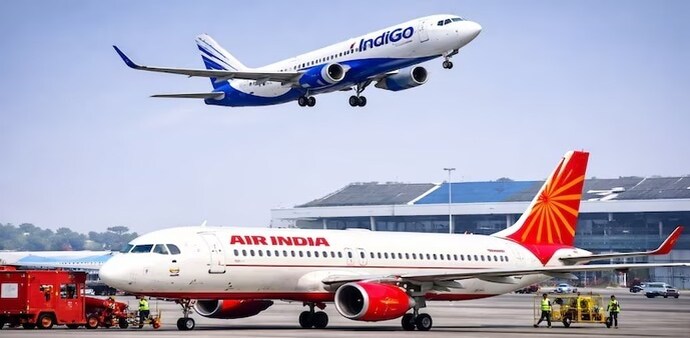
- Mar 22, 2026,
- Updated Mar 22, 2026 4:37 PM IST
Airfare is set to increase your summer travel budget. The Government has already lifted the airfare cap, but the real impact on airfares is expected to be visible next month, when the Oil Marketing Companies (OMCs) revise the aviation fuel price, which has skyrocketed due to the Gulf War.
OMCs will announce their monthly ATF revision on April 1. It has to be seen how much of it will be passed on to customers by domestic airlines, facing significant financial challenges, as they prepare to start their summer schedule at the end of March.
Airfare this summer is expected to be on the higher side, according to analysts tracking the industry.
What has further added to airlines’ woes in the rupee deprecation against the dollar, airspace closure – West Asia and Pakistan – making them take longer flying routes, and increased insurance premiums for flying over the war zone.
Domestic carriers are expected to post huge losses in FY26, with two of the strongest quarters, December and March, impacted by the war and fare cap. The impact is expected to be visible in the FY27, with airlines expected to cut flights on certain non- profitable routes if demand falls, with people looking to defer leisure travel.
How much aviation fuel hike impact airfare?
The monthly revision of Aviation Turbine Fuel (ATF) price by Oil Marketing Companies (OMCs) will happen on April 1. The IATA’s Jet Fuel Monitor indicates an over 85% increase in jet fuel prices for the region in March 2026. The OMCs did not completely pass on the global surge in the March revision cycle, though the ATF price was increased.
Air India CEO Campbell Wilson, in an internal note on Friday, said that the real impact of the energy crisis will be visible next month. He further said that there is a limit to fare increase before demand drops.
The ATF accounts for nearly 40% of airlines' operating costs, making it a critical factor in determining ticket prices. Air India, IndiGo, Akasa and SpiceJet have already levied fuel surcharges, owing to a rise in ATF prices. ATF prices are decided by OMCs and airlines have no say in it.
The fuel surcharge provides a limited cushion of around 10-15% on domestic routes and the rest is absorbed by airlines. Brokerage firm Jefferies said IndiGo’s surcharge could lift yields by just Rs 0.30-Rs 0.35 a seat against an annual base of about Rs 5.1.
Credit rating agency Moody's Ratings recently said the West Asia conflict would squeeze airline profitability globally, as fuel costs, their second-largest expense, remain high and operational disruptions continue.
"While hedging provides a buffer for some, no airline is immune. Higher fuel costs will weigh on profitability across the board, with unhedged carriers and those with thinner margins facing the greatest immediate pressure," it had said.
How will airspace curb impact?
Indian carriers have been facing challenges flying west because of airspace closures. Pakistan airspace has been closed since May 2025, and now the West Asia restrictions mean flying a longer route to Europe and North America. The airfare to international destinations is already high and expected to go further up with a prolonged war.
A senior airline executive said that the airspace restriction will affect the summer schedules of all airlines in West Asia.
Gulf markets is a key contributor to India’s aviation sector, accounting for nearly 40% of total international passenger traffic to and from India. SpiceJet, Air India Express and Akasa have over 80% of Origin-Destination international passenger traffic from the Gulf.
The Directorate General of Civil Aviation (DGCA) on Thursday asked airlines to avoid the airspaces of Bahrain, Iran, Iraq, Israel, Jordan, Kuwait, Lebanon, Qatar and the United Arab Emirates (UAE), according to an advisory, which will be valid till March 28. Indian airlines can operate flights over Oman and Saudi Arabia airspaces, subject to certain conditions, the regulator said.
According to the Moody’s report, West Asia is IndiGo's largest international destination, accounting for about 18% of its revenue.
"IndiGo does not hedge and will face near-term pressure from increased fuel costs, longer flight times due to rerouting, and foreign exchange volatility. However, its shorter booking curve of about 30-45 days will likely allow it to pass through higher costs to customers over the medium term," the report had said.
Air India has cancelled around 2,500 flights to the Gulf region since the conflict started on February 28. The airline is operating only about 30% of its flights to West Asia due to airspace closures and safety concerns.
How does Rupee depreciation impact airlines?
Elevated crude oil prices have led to rupee depreciation as it plunged to a fresh low of 93.72 against the dollar on Friday, a fall of 1.15% in a single session, the sharpest one-day decline since February 24, 2022.
The dollar impact on airlines is significant, as 35-50% of their operating expenses – including aircraft lease payments, fuel expenses, and a significant portion of aircraft and engine maintenance expenses – are denominated in dollars. The more the Rupee falls, the higher the airlines' operational costs, impacting profitability.
Further, some airlines also have foreign currency debt. While domestic airlines also have a partial natural hedge to the extent of earnings from their international operations, overall, they have net payables in foreign currency. This natural hedge has taken a hit, with international operations severely disrupted by the war.
What will be the impact of airfare cap removal?
The government was planning to lift the airfare cap in March, but the conflict broke out, and it deferred the plan. The base fare is expected to increase as airlines are squeezed by a drastic jump in operational costs.
The airfare cap was imposed in December 2025, post the IndiGo operational meltdown. The Ministry of Civil Aviation has repeatedly said that it doesn’t intend to continue with the airfare cap for long, and it was introduced as a temporary measure to prevent them from going northwards as IndiGo’s operation collapsed.
Airfares in India are market-driven, and the government has no role to play. However, it does impose an airfare cap in special situations. Airlines have asked the government to remove the airfare cap on base fare ahead of the start of the summer schedule and peak summer travel season.
Airfare is set to increase your summer travel budget. The Government has already lifted the airfare cap, but the real impact on airfares is expected to be visible next month, when the Oil Marketing Companies (OMCs) revise the aviation fuel price, which has skyrocketed due to the Gulf War.
OMCs will announce their monthly ATF revision on April 1. It has to be seen how much of it will be passed on to customers by domestic airlines, facing significant financial challenges, as they prepare to start their summer schedule at the end of March.
Airfare this summer is expected to be on the higher side, according to analysts tracking the industry.
What has further added to airlines’ woes in the rupee deprecation against the dollar, airspace closure – West Asia and Pakistan – making them take longer flying routes, and increased insurance premiums for flying over the war zone.
Domestic carriers are expected to post huge losses in FY26, with two of the strongest quarters, December and March, impacted by the war and fare cap. The impact is expected to be visible in the FY27, with airlines expected to cut flights on certain non- profitable routes if demand falls, with people looking to defer leisure travel.
How much aviation fuel hike impact airfare?
The monthly revision of Aviation Turbine Fuel (ATF) price by Oil Marketing Companies (OMCs) will happen on April 1. The IATA’s Jet Fuel Monitor indicates an over 85% increase in jet fuel prices for the region in March 2026. The OMCs did not completely pass on the global surge in the March revision cycle, though the ATF price was increased.
Air India CEO Campbell Wilson, in an internal note on Friday, said that the real impact of the energy crisis will be visible next month. He further said that there is a limit to fare increase before demand drops.
The ATF accounts for nearly 40% of airlines' operating costs, making it a critical factor in determining ticket prices. Air India, IndiGo, Akasa and SpiceJet have already levied fuel surcharges, owing to a rise in ATF prices. ATF prices are decided by OMCs and airlines have no say in it.
The fuel surcharge provides a limited cushion of around 10-15% on domestic routes and the rest is absorbed by airlines. Brokerage firm Jefferies said IndiGo’s surcharge could lift yields by just Rs 0.30-Rs 0.35 a seat against an annual base of about Rs 5.1.
Credit rating agency Moody's Ratings recently said the West Asia conflict would squeeze airline profitability globally, as fuel costs, their second-largest expense, remain high and operational disruptions continue.
"While hedging provides a buffer for some, no airline is immune. Higher fuel costs will weigh on profitability across the board, with unhedged carriers and those with thinner margins facing the greatest immediate pressure," it had said.
How will airspace curb impact?
Indian carriers have been facing challenges flying west because of airspace closures. Pakistan airspace has been closed since May 2025, and now the West Asia restrictions mean flying a longer route to Europe and North America. The airfare to international destinations is already high and expected to go further up with a prolonged war.
A senior airline executive said that the airspace restriction will affect the summer schedules of all airlines in West Asia.
Gulf markets is a key contributor to India’s aviation sector, accounting for nearly 40% of total international passenger traffic to and from India. SpiceJet, Air India Express and Akasa have over 80% of Origin-Destination international passenger traffic from the Gulf.
The Directorate General of Civil Aviation (DGCA) on Thursday asked airlines to avoid the airspaces of Bahrain, Iran, Iraq, Israel, Jordan, Kuwait, Lebanon, Qatar and the United Arab Emirates (UAE), according to an advisory, which will be valid till March 28. Indian airlines can operate flights over Oman and Saudi Arabia airspaces, subject to certain conditions, the regulator said.
According to the Moody’s report, West Asia is IndiGo's largest international destination, accounting for about 18% of its revenue.
"IndiGo does not hedge and will face near-term pressure from increased fuel costs, longer flight times due to rerouting, and foreign exchange volatility. However, its shorter booking curve of about 30-45 days will likely allow it to pass through higher costs to customers over the medium term," the report had said.
Air India has cancelled around 2,500 flights to the Gulf region since the conflict started on February 28. The airline is operating only about 30% of its flights to West Asia due to airspace closures and safety concerns.
How does Rupee depreciation impact airlines?
Elevated crude oil prices have led to rupee depreciation as it plunged to a fresh low of 93.72 against the dollar on Friday, a fall of 1.15% in a single session, the sharpest one-day decline since February 24, 2022.
The dollar impact on airlines is significant, as 35-50% of their operating expenses – including aircraft lease payments, fuel expenses, and a significant portion of aircraft and engine maintenance expenses – are denominated in dollars. The more the Rupee falls, the higher the airlines' operational costs, impacting profitability.
Further, some airlines also have foreign currency debt. While domestic airlines also have a partial natural hedge to the extent of earnings from their international operations, overall, they have net payables in foreign currency. This natural hedge has taken a hit, with international operations severely disrupted by the war.
What will be the impact of airfare cap removal?
The government was planning to lift the airfare cap in March, but the conflict broke out, and it deferred the plan. The base fare is expected to increase as airlines are squeezed by a drastic jump in operational costs.
The airfare cap was imposed in December 2025, post the IndiGo operational meltdown. The Ministry of Civil Aviation has repeatedly said that it doesn’t intend to continue with the airfare cap for long, and it was introduced as a temporary measure to prevent them from going northwards as IndiGo’s operation collapsed.
Airfares in India are market-driven, and the government has no role to play. However, it does impose an airfare cap in special situations. Airlines have asked the government to remove the airfare cap on base fare ahead of the start of the summer schedule and peak summer travel season.