
From nearly 50 aircraft to just 5: Inside SpiceJet's dramatic fleet collapse
The Directorate General of Civil Aviation (DGCA) has issued a seven-day show-cause notice to SpiceJet, flagging eight instances of alleged regulatory and operational non-compliance
- Nov 20, 2026,
- Updated Nov 20, 2026 4:55 PM IST
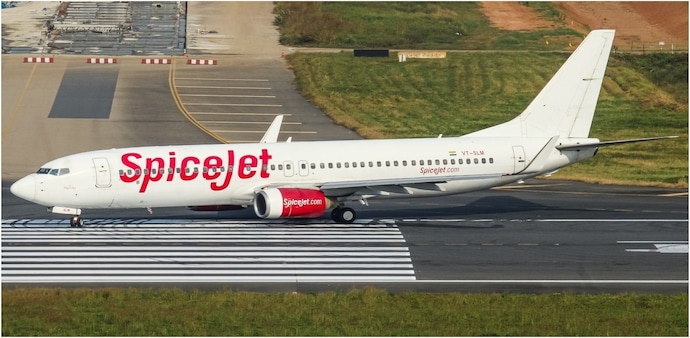
SpiceJet's operational crisis has reached a critical point, with the cash-strapped airline left with just five operational aircraft against a fleet of nearly 50 on paper. The sharp contraction has raised fresh questions about the airline's financial health, its ability to honour its flight schedules and the effectiveness of regulatory oversight.
The Directorate General of Civil Aviation (DGCA) has issued a seven-day show-cause notice to the airline, flagging eight instances of alleged regulatory and operational non-compliance. In its November 17 notice accessed by Business Today, the regulator observed that a majority of SpiceJet's fleet remained grounded and that the airline had failed to submit a credible plan to return these aircraft to service.
The five operational aircraft comprise three Boeing 737s and two Q400 turboprops. The airline's market share has also dwindled to 0.6% in September 2026, from 3.9% in January, reflecting the extent of its shrinking operations.
The crisis has been years in the making. SpiceJet's fleet expansion plans were disrupted by the global grounding of Boeing 737 MAX aircraft in 2019, followed by the Covid-19 pandemic, which severely affected airline revenues. Its recovery was further constrained by liquidity pressures, disputes with aircraft lessors, delayed payments and difficulties in sourcing engines, components and spare parts.
In September 2024, SpiceJet disclosed in a placement document that 36 of its 58 aircraft were grounded, primarily because of alleged defaults in payments to lessors and a lack of maintenance due to financial constraints and non-availability of components. Several lessors had also repossessed aircraft and engines, the airline acknowledged.
Despite raising Rs 3,000 crore through a qualified institutional placement in 2024, the airline has struggled to sustain a recovery. CARE Ratings downgraded its bank facility ratings to B+ in April 2026, citing continued deterioration in its financial risk profile, stretched liquidity and operating losses in FY25 and the first nine months of FY26.
The airline's board has now approved a proposal to raise up to Rs 5,500 crore to strengthen its balance sheet, restore grounded aircraft and support operations.However, the proposed fundraise comes as operational disruptions intensify, and the proposal being in the midst of an action, but not a completed secured transaction.
ALSO READ: SpiceJet board approves Rs 5,500 crore fundraise; stock closes 5% higher