
From ₹55 crore to ₹158.66 crore: How N Chandrasekaran's salary increased in a decade
From ₹55 crore to ₹158.66 crore: How N Chandrasekaran's salary increased in a decade
We dug into the numbers — salary hikes, bonus structures, and profit growth over his tenure — to find out whether the man at the top was rewarded in step with the empire he ran, or ahead of it.
Business Today Desk
- Aug 14, 2026,
- Updated Aug 14, 2026 3:50 PM IST
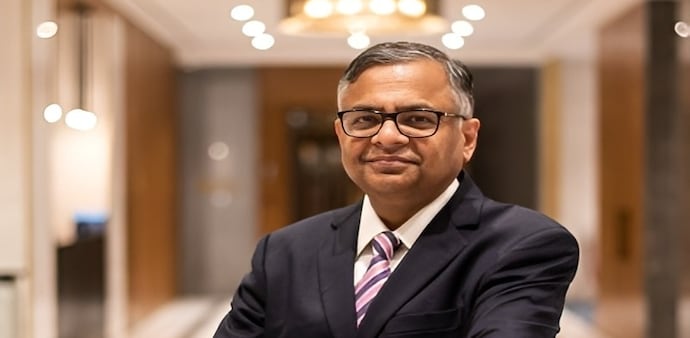
He built Tata into a $165-billion powerhouse. Now he's stepping away — and the numbers are raising eyebrows. As N Chandrasekaran confirmed he won't continue as Tata Sons chairman beyond his current term, a closer look at the company's financials reveals a pattern worth questioning. Behind the headlines lies a quieter, more uncomfortable question: while Tata's group profits rose and fell with the market's mood, did Chandrasekaran's own pay rise faster? We dug into the numbers — salary hikes, bonus structures, and profit growth over his tenure — to find out whether the man at the top was rewarded in step with the empire he ran, or ahead of it.
Advertisement
DON'T MISS | Tata Group succession: How N Chandrasekaran’s resignation might change the conglomerate?
Chandrasekaran's pay cheque vs Tata Group profits
Outgoing Tata Sons chairman N Chandrasekaran's remuneration grew at a much faster pace compared to the consolidated adjusted net profits of Tata Sons (listed and unlisted companies) as well as the combined profit of the group's listed companies.
His annual remuneration grew at a compounded annual growth rate (CAGR) of 14.1% in the last 8 years from ₹55.1 crore in FY18 to ₹158.7 crore in FY26.
During the same period, Tata Sons' consolidated adjusted net profit dropped by 11.9% to ₹17,923 crore in FY26 from ₹20,344 crore in FY26. In the same period, the combined net profit of the group's listed companies rose at a CAGR of 9.2% from ₹44,786.5 crore in FY18 to ₹90,698 crore in FY26.
Advertisement
MUST READ | Who are Noel Tata’s children, what roles do they hold in Tata Group
Tata Group's market value under N Chandrasekaran
Since Chandrasekaran took charge on February 21, 2017, Tata Group shares have added ₹15.13 lakh crore or risen nearly 3 times in terms of market cap. In February 2017, the market cap of the 23 listed companies of the group was ₹8.22 lakh crore.
Since then, the m-cap has risen 2.83 times to ₹23.35 lakh crore on August 12, 2026, when Chandrasekaran announced his decision to not seek a third term as chairman.
Key drivers of Tata Group's profits in Chandra's tenure
Heavy lifting for profits and valuations came through companies like Tata Consultancy Services (TCS), Titan Company, Tata Motors, Trent, Tata Power, Tata Steel, and Indian Hotels (IHCL).
Advertisement
According to data from Ace Equity, TCS added ₹3.64 lakh crore in m-cap, whereas Titan Company added ₹4.12 lakh crore. Trent and Tata Steel added ₹1.5 lakh crore and ₹1.83 lakh crore, respectively, during Chandrasekaran's tenure. Furthermore, Tata Power, Tata Consumer, and Indian Hotels added ₹98,036 crore, ₹96,099 crore, and ₹90,343 crore, respectively.
Cash burners during Chandra's tenure
New-age bets such as Air India, Tata Digital and Tata Electronics incurred substantial losses during Chandra's second term. According to the company's annual report, Air India's losses doubled from the previous year.
The airline reported losses of ₹22,238.22 crore as of March 2026 versus ₹10,858.82 crore in March 2025. Tata Digital also reported a loss of ₹4,974 crore in FY26. Tata Electronics' operating profit broke even as it became the fourth-largest Tata Group company by revenue of ₹1.31 lakh crore.
He built Tata into a $165-billion powerhouse. Now he's stepping away — and the numbers are raising eyebrows. As N Chandrasekaran confirmed he won't continue as Tata Sons chairman beyond his current term, a closer look at the company's financials reveals a pattern worth questioning. Behind the headlines lies a quieter, more uncomfortable question: while Tata's group profits rose and fell with the market's mood, did Chandrasekaran's own pay rise faster? We dug into the numbers — salary hikes, bonus structures, and profit growth over his tenure — to find out whether the man at the top was rewarded in step with the empire he ran, or ahead of it.
Advertisement
DON'T MISS | Tata Group succession: How N Chandrasekaran’s resignation might change the conglomerate?
Chandrasekaran's pay cheque vs Tata Group profits
Outgoing Tata Sons chairman N Chandrasekaran's remuneration grew at a much faster pace compared to the consolidated adjusted net profits of Tata Sons (listed and unlisted companies) as well as the combined profit of the group's listed companies.
His annual remuneration grew at a compounded annual growth rate (CAGR) of 14.1% in the last 8 years from ₹55.1 crore in FY18 to ₹158.7 crore in FY26.
During the same period, Tata Sons' consolidated adjusted net profit dropped by 11.9% to ₹17,923 crore in FY26 from ₹20,344 crore in FY26. In the same period, the combined net profit of the group's listed companies rose at a CAGR of 9.2% from ₹44,786.5 crore in FY18 to ₹90,698 crore in FY26.
Advertisement
MUST READ | Who are Noel Tata’s children, what roles do they hold in Tata Group
Tata Group's market value under N Chandrasekaran
Since Chandrasekaran took charge on February 21, 2017, Tata Group shares have added ₹15.13 lakh crore or risen nearly 3 times in terms of market cap. In February 2017, the market cap of the 23 listed companies of the group was ₹8.22 lakh crore.
Since then, the m-cap has risen 2.83 times to ₹23.35 lakh crore on August 12, 2026, when Chandrasekaran announced his decision to not seek a third term as chairman.
Key drivers of Tata Group's profits in Chandra's tenure
Heavy lifting for profits and valuations came through companies like Tata Consultancy Services (TCS), Titan Company, Tata Motors, Trent, Tata Power, Tata Steel, and Indian Hotels (IHCL).
Advertisement
According to data from Ace Equity, TCS added ₹3.64 lakh crore in m-cap, whereas Titan Company added ₹4.12 lakh crore. Trent and Tata Steel added ₹1.5 lakh crore and ₹1.83 lakh crore, respectively, during Chandrasekaran's tenure. Furthermore, Tata Power, Tata Consumer, and Indian Hotels added ₹98,036 crore, ₹96,099 crore, and ₹90,343 crore, respectively.
Cash burners during Chandra's tenure
New-age bets such as Air India, Tata Digital and Tata Electronics incurred substantial losses during Chandra's second term. According to the company's annual report, Air India's losses doubled from the previous year.
The airline reported losses of ₹22,238.22 crore as of March 2026 versus ₹10,858.82 crore in March 2025. Tata Digital also reported a loss of ₹4,974 crore in FY26. Tata Electronics' operating profit broke even as it became the fourth-largest Tata Group company by revenue of ₹1.31 lakh crore.
Read more!