
Did eating litchis really kill children in Bihar?
The illness, known for its high mortality among children, shows itself every summer in Bihar's Muzaffarpur, a town popular for its 'shahi litchis'.
- Feb 2, 2017,
- Updated Feb 7, 2017 8:38 PM IST
In 2014, Bihar's Muzaffarpur district, also known for its famous litchi gardens, witnessed more than 200 deaths of children due to an unexplained neurological illness.
The deaths were earlier believed to have been caused by a form of Japanese Encephalitis. But, now, a team of researchers from world-renowned medical science journal The Lancet have come out with new findings.
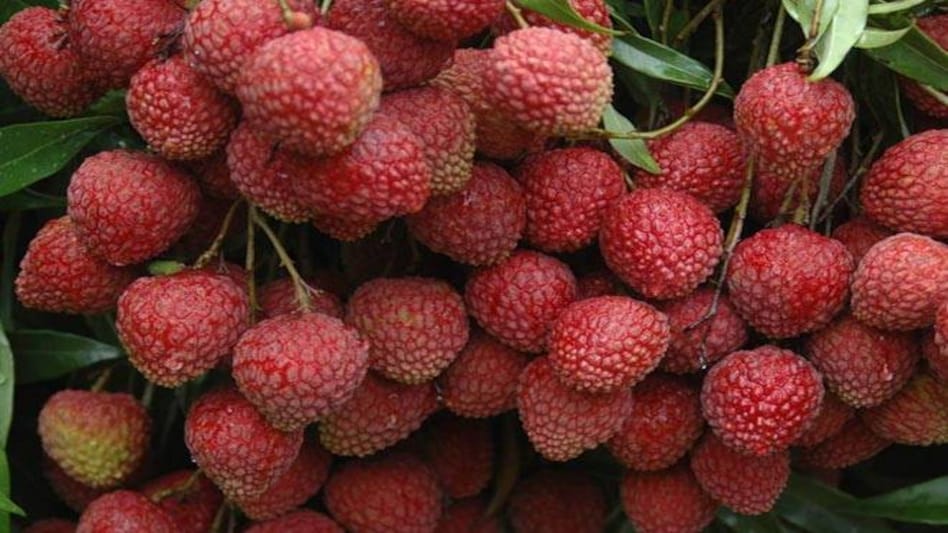
The research has unequivocally pinned the blame of these deaths on India's summer fruit - Litchi. The sweet translucent fruit is believed to induce a fatal hypoglycemic encephalopathy in children, especially among those who are young and undernourished.
The illness, known for its high mortality among children, shows itself every summer in Bihar's Muzaffarpur, a town popular for its 'shahi litchis'. Those who skip regular meals are more susceptible to this neurotoxic disease, which results in low blood sugar level.
The study found that unripe litchi has a higher concentration of hypoglycin A, a toxin shown to cause severe vomiting, coma, and sometimes death. In Jamaica, ingestion of immature ackee fruit, a member of the lychee family, has been known to cause a toxic hypoglycaemic encephalopathy for decades.
These toxins contain unusual amino acids that disrupt gluconeogenesis of fatty acids. Disruption in synthesis of glucose leads to acutely low level of blood sugar, the study claims.
For those who are well-nourished and eat the fruit in small quantities, there is little reason for concern, the study says. But it can be dangerous for poorly nourished children who happen to consume unripe litchi.
However, the doctors who have operated on the patients suffering from this illness tell a different story. We spoke to one such doctor who has been working on such cases for over a decade.
Dr Gopal Shankar Sahni, who is currently the Assistant Professor at SK Medical College, Muzaffarpur and is also a member of state government's task force to combat the disease, says, "Lancet's data is unclear, it only shows hypoglycemia as the main symptom whereas 90 per cent children in such cases have shown hyponatermia."
Hyponatermia or deficiency of sodium is also one of the main cause of convulsions or seizure in children. "In some cases, we've seen even if glucose is given, the children do not survive," says Dr Sahni.
Refuting The Lancet's study, Dr Sahni, however, blames hot and humid weather in Muzaffarpur for the disease. According to him, the disease sees a sharp drop in cases as soon as the city witnesses rains after the sweltering heat of May.
In 2014, around 712 cases of hypoglycemic encephalopathy were recorded in Muzaffarpur district alone and close to 215 children lost their lives. Dr Sahni credits the relatively pleasant weather in 2015 and 2016 for a sharp drop in the cases when the number of fatalities, according to him, were approximately between 30-40.
The Lancet study tries to connect the Jamaican vomiting sickness with the one found in Bihar, Dr Sahni claims that the patients he has seen are mostly 3 to 5 year-old children who don't have the symptoms like vomiting and in some cases they are as young as 12 month-old babies who would never have eaten the unripe fruit.
Though it might be too early to suggest the possible reason for these fatalities, The Lancet's findings have surely deepened the enigma around this disease.
In 2014, Bihar's Muzaffarpur district, also known for its famous litchi gardens, witnessed more than 200 deaths of children due to an unexplained neurological illness.
The deaths were earlier believed to have been caused by a form of Japanese Encephalitis. But, now, a team of researchers from world-renowned medical science journal The Lancet have come out with new findings.
The research has unequivocally pinned the blame of these deaths on India's summer fruit - Litchi. The sweet translucent fruit is believed to induce a fatal hypoglycemic encephalopathy in children, especially among those who are young and undernourished.
The illness, known for its high mortality among children, shows itself every summer in Bihar's Muzaffarpur, a town popular for its 'shahi litchis'. Those who skip regular meals are more susceptible to this neurotoxic disease, which results in low blood sugar level.
The study found that unripe litchi has a higher concentration of hypoglycin A, a toxin shown to cause severe vomiting, coma, and sometimes death. In Jamaica, ingestion of immature ackee fruit, a member of the lychee family, has been known to cause a toxic hypoglycaemic encephalopathy for decades.
These toxins contain unusual amino acids that disrupt gluconeogenesis of fatty acids. Disruption in synthesis of glucose leads to acutely low level of blood sugar, the study claims.
For those who are well-nourished and eat the fruit in small quantities, there is little reason for concern, the study says. But it can be dangerous for poorly nourished children who happen to consume unripe litchi.
However, the doctors who have operated on the patients suffering from this illness tell a different story. We spoke to one such doctor who has been working on such cases for over a decade.
Dr Gopal Shankar Sahni, who is currently the Assistant Professor at SK Medical College, Muzaffarpur and is also a member of state government's task force to combat the disease, says, "Lancet's data is unclear, it only shows hypoglycemia as the main symptom whereas 90 per cent children in such cases have shown hyponatermia."
Hyponatermia or deficiency of sodium is also one of the main cause of convulsions or seizure in children. "In some cases, we've seen even if glucose is given, the children do not survive," says Dr Sahni.
Refuting The Lancet's study, Dr Sahni, however, blames hot and humid weather in Muzaffarpur for the disease. According to him, the disease sees a sharp drop in cases as soon as the city witnesses rains after the sweltering heat of May.
In 2014, around 712 cases of hypoglycemic encephalopathy were recorded in Muzaffarpur district alone and close to 215 children lost their lives. Dr Sahni credits the relatively pleasant weather in 2015 and 2016 for a sharp drop in the cases when the number of fatalities, according to him, were approximately between 30-40.
The Lancet study tries to connect the Jamaican vomiting sickness with the one found in Bihar, Dr Sahni claims that the patients he has seen are mostly 3 to 5 year-old children who don't have the symptoms like vomiting and in some cases they are as young as 12 month-old babies who would never have eaten the unripe fruit.
Though it might be too early to suggest the possible reason for these fatalities, The Lancet's findings have surely deepened the enigma around this disease.