
RBI meet on Feb 2 may turn out to be a non-event; economists see 25-50 bps rate cut in FY17
"By calling the 50 bps repo rate cut, in its fourth bi-monthly review on 29 September 2015, a frontloaded policy action, RBI has nearly shut the door on further rate cuts in FY16," said expert.
- Jan 28, 2016,
- Updated Jan 28, 2016 2:18 PM IST
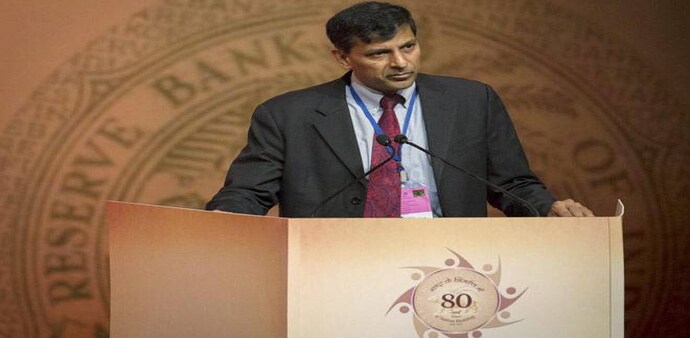
RBI governor Raghuram Rajan is expected to leave interest rates as is in its monetary policy next week on February 2 with experts believing not more than 25-50 basis points (bps) cut will ensue in fiscal year 2016-17 as inflation worries owing to rising food costs continue to persist.
The central bank had reduced repurchase rate (repo rate) by 50 bps to 6.75 per cent in its September policy meet.
Devendra Pant, Chief Economist and Head Public Finance, India Ratings and Research feels the surprise action in September has limited possibilities of future rate cuts in fiscal year 2015-16 amid rising inflation scenario.
"By calling the 50 bps repo rate cut, in its fourth bi-monthly review on 29 September 2015, a frontloaded policy action, RBI has nearly shut the door on further rate cuts in FY16, RBI's policy stance is likely to be accommodative in the near term. If conditions permit, Ind-Ra expects a 25-50 bps cut in the repo rate during FY17," said Pant.
The expert also added the inflationary challenge in the country is far from over as food prices have more than often triggered surprises.
Ind-Ra expects average wholesale price index (WPI) to rise by 2.7 per cent and Consumer price index (CPI) to rise by an average of 4.9 per cent in FY17.
Meanwhile, a Reuters poll of nearly 40 economists showed they expect only one 25 basis-point rate cut this calendar year, between April and June, unchanged from earlier expectations.
The RBI wants annual inflation at 5 per cent by March 2017 but December was the fifth straight month inflation ticked up, with the rate rising to 5.61 per cent, while food and beverage inflation, which has 46 per cent weight in CPI, jumped to 6.3 per cent.
However, Ind-Ra expects the CPI inflation to decline to around 5.8 per cent in January 2016, RBI's revised target.
The slowdown in growth also ties RBI's hands to take any aggressive move on interest rates.
The government recently revised down its growth target for the current fiscal year to 7-7.5 per cent and said it was unlikely to be significantly greater the following year.
The implementation of Seventh Pay Commission, which will raise the wages of government employees by nearly 25 per cent and government's efforts to revise budget deficit targets to stimulate demand may drive inflation further beyond the RBI's target.
RBI governor Raghuram Rajan is expected to leave interest rates as is in its monetary policy next week on February 2 with experts believing not more than 25-50 basis points (bps) cut will ensue in fiscal year 2016-17 as inflation worries owing to rising food costs continue to persist.
The central bank had reduced repurchase rate (repo rate) by 50 bps to 6.75 per cent in its September policy meet.
Devendra Pant, Chief Economist and Head Public Finance, India Ratings and Research feels the surprise action in September has limited possibilities of future rate cuts in fiscal year 2015-16 amid rising inflation scenario.
"By calling the 50 bps repo rate cut, in its fourth bi-monthly review on 29 September 2015, a frontloaded policy action, RBI has nearly shut the door on further rate cuts in FY16, RBI's policy stance is likely to be accommodative in the near term. If conditions permit, Ind-Ra expects a 25-50 bps cut in the repo rate during FY17," said Pant.
The expert also added the inflationary challenge in the country is far from over as food prices have more than often triggered surprises.
Ind-Ra expects average wholesale price index (WPI) to rise by 2.7 per cent and Consumer price index (CPI) to rise by an average of 4.9 per cent in FY17.
Meanwhile, a Reuters poll of nearly 40 economists showed they expect only one 25 basis-point rate cut this calendar year, between April and June, unchanged from earlier expectations.
The RBI wants annual inflation at 5 per cent by March 2017 but December was the fifth straight month inflation ticked up, with the rate rising to 5.61 per cent, while food and beverage inflation, which has 46 per cent weight in CPI, jumped to 6.3 per cent.
However, Ind-Ra expects the CPI inflation to decline to around 5.8 per cent in January 2016, RBI's revised target.
The slowdown in growth also ties RBI's hands to take any aggressive move on interest rates.
The government recently revised down its growth target for the current fiscal year to 7-7.5 per cent and said it was unlikely to be significantly greater the following year.
The implementation of Seventh Pay Commission, which will raise the wages of government employees by nearly 25 per cent and government's efforts to revise budget deficit targets to stimulate demand may drive inflation further beyond the RBI's target.