
Big relief for Centre? Fertiliser subsidy bill may be ₹90,000 crore lower than feared
FY27 bill may be around Rs 2.5 lakh crore, Centre keeping tab on monsoon progress, prepares contingency plans
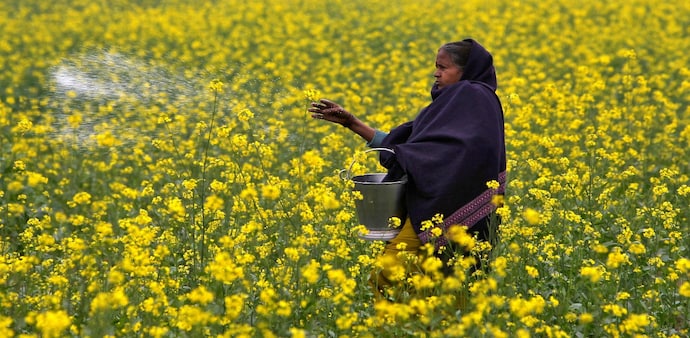
- Jun 17, 2026,
- Updated Jun 17, 2026 1:24 PM IST
The Centre’s fertiliser subsidy may not rise as much as it was earlier feared, with global prices declining after the announcement of the US-Iran peace deal, even as a weaker monsoon may lead to lower fertiliser demand as sowing may get hit. The fertiliser subsidy bill, initially feared to double to Rs 3.4 lakh crore, may eventually be around Rs 2.5 lakh crore this fiscal, as per newer estimates.
Don't Miss: 'Not so good monsoon': FM Nirmala Sitharaman flags risks to farmer incomes but rules out food shortage
“In the past few days, global urea prices have fallen substantially. China has also entered the global market this year, which has eased supply constraints and has helped in the price reduction,” said a person familiar with the development. Further, with a below-normal monsoon this year, the use of fertiliser would also come down domestically.
As a result of these factors, the fertiliser ministry is understood to be redrawing the fertiliser subsidy estimate for FY26, which is now seen around Rs 2.5 lakh crore, if not lower.
“It is still early days, and it would depend on a lot of factors, including the continuation of the ceasefire between the US and Iran, which would help keep prices low, as well as the progress of the monsoon in India this year,” said the source.
Must Read: Finance Ministry holds fiscal line to review spending priorities in October
With the volatile global geopolitical situation, prices and supplies of fertilisers have been impacted in the last few months, and the fertiliser ministry has recently indicated that it would require an additional 100% of the Budget Estimate of Rs 1.71 lakh crore for the fertiliser subsidy this year. This would have taken the overall fertiliser subsidy bill to around Rs 3.4 lakh crore in FY27, which is seen to be a key pressure point on the fisc.
While the Centre has sufficient fertiliser stock for the kharif season, there are concerns about availability during rabi sowing later in the year. At a stock-taking meeting on June 16, Union Agriculture Minister Shivraj Singh underlined that fertiliser is available at the national level and as the coverage of the monsoon increases, supply to states and districts will be made even more efficient.
Deficient Monsoons
The Centre is also keeping a close tab on the monsoon, with concerns over its impact on the rural economy. The impact of El Niño will be evident only in later months, and the spatial and temporal distribution of the rains will have to be seen.
The government is also mapping districts across the country to assess the risk of deficient monsoons as well as contingency plans for crops in these cases.
“Overall, Indian agriculture has now become more resilient to monsoons,” noted the official, but underlined that it has to be monitored carefully.
A recent CareEdge Ratings report also noted that India is better positioned this year than during previous El Niño episodes. As of May, live storage in reservoirs stands at 30.4% of full reservoir level (FRL), higher than the average of 25.1% observed during El Niño years between 2015–16 and 2023–24, it said.
States such as Odisha, Chhattisgarh, Madhya Pradesh and Uttar Pradesh are relatively more vulnerable, driven by lower irrigation coverage, higher share of water-intensive kharif crops and limited diversification, it further said.
The Centre’s fertiliser subsidy may not rise as much as it was earlier feared, with global prices declining after the announcement of the US-Iran peace deal, even as a weaker monsoon may lead to lower fertiliser demand as sowing may get hit. The fertiliser subsidy bill, initially feared to double to Rs 3.4 lakh crore, may eventually be around Rs 2.5 lakh crore this fiscal, as per newer estimates.
Don't Miss: 'Not so good monsoon': FM Nirmala Sitharaman flags risks to farmer incomes but rules out food shortage
“In the past few days, global urea prices have fallen substantially. China has also entered the global market this year, which has eased supply constraints and has helped in the price reduction,” said a person familiar with the development. Further, with a below-normal monsoon this year, the use of fertiliser would also come down domestically.
As a result of these factors, the fertiliser ministry is understood to be redrawing the fertiliser subsidy estimate for FY26, which is now seen around Rs 2.5 lakh crore, if not lower.
“It is still early days, and it would depend on a lot of factors, including the continuation of the ceasefire between the US and Iran, which would help keep prices low, as well as the progress of the monsoon in India this year,” said the source.
Must Read: Finance Ministry holds fiscal line to review spending priorities in October
With the volatile global geopolitical situation, prices and supplies of fertilisers have been impacted in the last few months, and the fertiliser ministry has recently indicated that it would require an additional 100% of the Budget Estimate of Rs 1.71 lakh crore for the fertiliser subsidy this year. This would have taken the overall fertiliser subsidy bill to around Rs 3.4 lakh crore in FY27, which is seen to be a key pressure point on the fisc.
While the Centre has sufficient fertiliser stock for the kharif season, there are concerns about availability during rabi sowing later in the year. At a stock-taking meeting on June 16, Union Agriculture Minister Shivraj Singh underlined that fertiliser is available at the national level and as the coverage of the monsoon increases, supply to states and districts will be made even more efficient.
Deficient Monsoons
The Centre is also keeping a close tab on the monsoon, with concerns over its impact on the rural economy. The impact of El Niño will be evident only in later months, and the spatial and temporal distribution of the rains will have to be seen.
The government is also mapping districts across the country to assess the risk of deficient monsoons as well as contingency plans for crops in these cases.
“Overall, Indian agriculture has now become more resilient to monsoons,” noted the official, but underlined that it has to be monitored carefully.
A recent CareEdge Ratings report also noted that India is better positioned this year than during previous El Niño episodes. As of May, live storage in reservoirs stands at 30.4% of full reservoir level (FRL), higher than the average of 25.1% observed during El Niño years between 2015–16 and 2023–24, it said.
States such as Odisha, Chhattisgarh, Madhya Pradesh and Uttar Pradesh are relatively more vulnerable, driven by lower irrigation coverage, higher share of water-intensive kharif crops and limited diversification, it further said.