
BT Explainer | US-Iran ceasefire on 'life support': Why India's economy is under pressure
If the Iran conflict drags on and crude prices remain elevated, the economic impact on India could be significant - from inflation and a weaker rupee to pressure on fuel companies and rising import bills
- May 12, 2026,
- Updated May 12, 2026 2:18 PM IST
The disruption in the Strait of Hormuz is showing no signs of easing. The US blockade of the key shipping route continues, Iran and the US have yet to find a working peace formula, and global oil markets are reacting sharply to every fresh signal from Washington.
On Monday, US President Donald Trump said the ceasefire with Iran was at its "weakest" and on "massive life support". This has dimmed hopes of an immediate peace deal.
Don't Miss: 'What good are gold bangles today if...': When Indira Gandhi donated her 367 gm of jewellery on PM's appeal
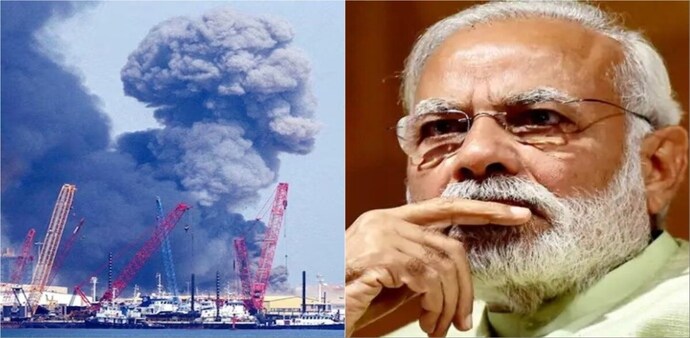
Interestingly, on Sunday, Prime Minister Narendra Modi appealed to Indians to conserve fuel, postpone gold purchases for a year, avoid unnecessary foreign travel and adopt work-from-home practices to save foreign exchange reserves. He repeated his appeal on Monday. The two developments are closely linked.
India is among the countries most exposed to any prolonged disruption in the Strait of Hormuz, through which a large share of the world's oil and gas supplies move.
If the conflict drags on and crude prices remain elevated, the economic impact on India could be significant - from inflation and a weaker rupee to pressure on fuel companies and rising import bills.
Must Read: ₹6.77 lakh crore import hit: Why PM Modi wants Indians to delay buying gold
Why Hormuz matters so much for India
India imports nearly 85 per cent of its crude oil requirement. A major portion of those supplies still moves through the Strait of Hormuz. About 30 per cent of India's crude oil imports and nearly 90 per cent of its LPG imports pass through the narrow shipping corridor between Iran and Oman.
India imports around 60 per cent of its LPG consumption. Any prolonged disruption in Hormuz immediately affects supplies and costs.
The crisis has already pushed global crude prices higher. Brent crude rose to around $105 per barrel this week, up from nearly $73 per barrel before the Iran conflict began on February 28. That is a jump of around 44 per cent.
Former RBI Governor Duvvuri Subbarao warned that prolonged high crude prices could hit India hard. "For India, this is a critical vulnerability. Sustained high crude prices would widen the current account deficit and feed directly into inflation," Subbarao told The Indian Express.
Why Modi is asking people to save fuel
The government has so far protected consumers from the full impact of rising crude prices. Petrol and diesel prices in India have remained largely unchanged despite the global rally in crude oil.
But this protection has come at a massive cost.
Holding retail prices steady despite a nearly 50 per cent rise in input costs has put severe pressure on the finances of state-run fuel retailers.
The Defence Ministry said on Monday that India's oil marketing companies (OMCs) were absorbing losses of close to ₹1,000 crore a day. Under-recoveries have now reached nearly ₹2 lakh crore in the first quarter of 2026.
The OMCs - Indian Oil Corporation, Bharat Petroleum Corporation and Hindustan Petroleum Corporation - together are losing ₹1,600 crore to ₹1,700 crore every day on petrol, diesel and LPG sales.
The government has also cut fuel taxes sharply to soften the blow for consumers. Excise duty on petrol was reduced from ₹13 per litre to ₹3, while diesel excise duty was cut from ₹10 to zero. The excise cuts alone are estimated to be costing the government nearly ₹14,000 crore every month in lost revenue.
That is the backdrop to Modi's appeal.
The Prime Minister has asked people to reduce petrol and diesel consumption, use metro rail and public transport, adopt EVs, carpool, avoid unnecessary foreign travel and return to work-from-home practices wherever possible.
India still has fuel stocks, but risks remain
The government has repeatedly said there is no immediate shortage. India currently has around 60 days of crude oil stocks, 60 days of natural gas inventories and nearly 45 days of LPG reserves. India's daily oil consumption stands at around 55 lakh barrels. But the concern is not just about availability. It is also about cost.
India spent $174.9 billion (₹16.44 lakh crore) on crude oil and petroleum product imports in the financial year ended March 2026. Petroleum imports accounted for nearly 22 per cent of India's total import bill.
If crude remains above $100 for a prolonged period, India's import bill could rise sharply again.
Why expensive oil weakens the rupee
Higher crude prices also hurt the rupee. When oil prices rise, India needs far more dollars to buy the same quantity of crude. Importers sell more rupees in the forex market to purchase dollars, increasing pressure on the Indian currency.
The rupee fell 35 paise to a record low of 95.63 against the US dollar in early trade on Tuesday after Trump said hopes for a ceasefire were fading.
Impact on inflation and current account deficit
The impact may not remain limited to fuel prices alone. Higher oil prices eventually push up transport costs, fertiliser prices and logistics expenses, feeding into broader inflation across the economy.
The SBI Research, in a report released on May 11, estimated that every $10 per barrel rise in crude oil prices could widen India's current account deficit by 35 basis points and raise inflation by 35-40 basis points. The report also estimated a 20-25 basis point impact on GDP growth.
"As the oil prices are around $105/barrel (May), the average Oil price will be around $100/barrel, and India's GDP is expected to be ~ 6.6% in FY27," the paper said.
The current account deficit is the gap that appears when a country imports more goods and services than it exports.
The disruption in the Strait of Hormuz is showing no signs of easing. The US blockade of the key shipping route continues, Iran and the US have yet to find a working peace formula, and global oil markets are reacting sharply to every fresh signal from Washington.
On Monday, US President Donald Trump said the ceasefire with Iran was at its "weakest" and on "massive life support". This has dimmed hopes of an immediate peace deal.
Don't Miss: 'What good are gold bangles today if...': When Indira Gandhi donated her 367 gm of jewellery on PM's appeal
Interestingly, on Sunday, Prime Minister Narendra Modi appealed to Indians to conserve fuel, postpone gold purchases for a year, avoid unnecessary foreign travel and adopt work-from-home practices to save foreign exchange reserves. He repeated his appeal on Monday. The two developments are closely linked.
India is among the countries most exposed to any prolonged disruption in the Strait of Hormuz, through which a large share of the world's oil and gas supplies move.
If the conflict drags on and crude prices remain elevated, the economic impact on India could be significant - from inflation and a weaker rupee to pressure on fuel companies and rising import bills.
Must Read: ₹6.77 lakh crore import hit: Why PM Modi wants Indians to delay buying gold
Why Hormuz matters so much for India
India imports nearly 85 per cent of its crude oil requirement. A major portion of those supplies still moves through the Strait of Hormuz. About 30 per cent of India's crude oil imports and nearly 90 per cent of its LPG imports pass through the narrow shipping corridor between Iran and Oman.
India imports around 60 per cent of its LPG consumption. Any prolonged disruption in Hormuz immediately affects supplies and costs.
The crisis has already pushed global crude prices higher. Brent crude rose to around $105 per barrel this week, up from nearly $73 per barrel before the Iran conflict began on February 28. That is a jump of around 44 per cent.
Former RBI Governor Duvvuri Subbarao warned that prolonged high crude prices could hit India hard. "For India, this is a critical vulnerability. Sustained high crude prices would widen the current account deficit and feed directly into inflation," Subbarao told The Indian Express.
Why Modi is asking people to save fuel
The government has so far protected consumers from the full impact of rising crude prices. Petrol and diesel prices in India have remained largely unchanged despite the global rally in crude oil.
But this protection has come at a massive cost.
Holding retail prices steady despite a nearly 50 per cent rise in input costs has put severe pressure on the finances of state-run fuel retailers.
The Defence Ministry said on Monday that India's oil marketing companies (OMCs) were absorbing losses of close to ₹1,000 crore a day. Under-recoveries have now reached nearly ₹2 lakh crore in the first quarter of 2026.
The OMCs - Indian Oil Corporation, Bharat Petroleum Corporation and Hindustan Petroleum Corporation - together are losing ₹1,600 crore to ₹1,700 crore every day on petrol, diesel and LPG sales.
The government has also cut fuel taxes sharply to soften the blow for consumers. Excise duty on petrol was reduced from ₹13 per litre to ₹3, while diesel excise duty was cut from ₹10 to zero. The excise cuts alone are estimated to be costing the government nearly ₹14,000 crore every month in lost revenue.
That is the backdrop to Modi's appeal.
The Prime Minister has asked people to reduce petrol and diesel consumption, use metro rail and public transport, adopt EVs, carpool, avoid unnecessary foreign travel and return to work-from-home practices wherever possible.
India still has fuel stocks, but risks remain
The government has repeatedly said there is no immediate shortage. India currently has around 60 days of crude oil stocks, 60 days of natural gas inventories and nearly 45 days of LPG reserves. India's daily oil consumption stands at around 55 lakh barrels. But the concern is not just about availability. It is also about cost.
India spent $174.9 billion (₹16.44 lakh crore) on crude oil and petroleum product imports in the financial year ended March 2026. Petroleum imports accounted for nearly 22 per cent of India's total import bill.
If crude remains above $100 for a prolonged period, India's import bill could rise sharply again.
Why expensive oil weakens the rupee
Higher crude prices also hurt the rupee. When oil prices rise, India needs far more dollars to buy the same quantity of crude. Importers sell more rupees in the forex market to purchase dollars, increasing pressure on the Indian currency.
The rupee fell 35 paise to a record low of 95.63 against the US dollar in early trade on Tuesday after Trump said hopes for a ceasefire were fading.
Impact on inflation and current account deficit
The impact may not remain limited to fuel prices alone. Higher oil prices eventually push up transport costs, fertiliser prices and logistics expenses, feeding into broader inflation across the economy.
The SBI Research, in a report released on May 11, estimated that every $10 per barrel rise in crude oil prices could widen India's current account deficit by 35 basis points and raise inflation by 35-40 basis points. The report also estimated a 20-25 basis point impact on GDP growth.
"As the oil prices are around $105/barrel (May), the average Oil price will be around $100/barrel, and India's GDP is expected to be ~ 6.6% in FY27," the paper said.
The current account deficit is the gap that appears when a country imports more goods and services than it exports.