
Cartel curbs: CCI releases draft rules for leniency plus regime
The rules are aimed at incentivising persons or cartels already under scrutiny to provide information about others that the regulator does not know about
- Oct 18, 2023,
- Updated Oct 18, 2023 1:23 PM IST
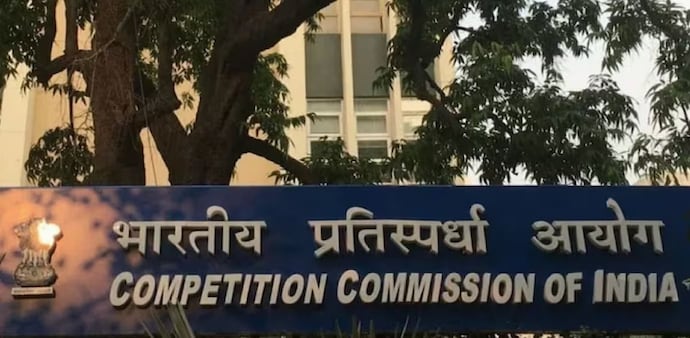
Taking forward the recently enacted amendments to the Competition Act, the Competition Commission of India (CCI) has released draft regulations on lower penalty as part of the leniency plus regime. The provisions are aimed at incentivising persons or cartels already under scrutiny to provide information about other cartels the regulator does not know about.
A significant aspect of the draft regulations is that in addition to business enterprises and their individuals, it has said that trade associations may also apply for leniency.
“However, the current provisions of the Act do not allow Association to come under the refuge of leniency so permitting Association to seek leniency will be ultra-vires of Act,” noted GR Bhatia, Partner, Luthra and Luthra Law Offices India.
The Competition (Amendment) Act, 2023 has introduced a provision of lesser penalty plus under which a person who has already applied for lesser penalty with respect to one cartel will be incentivised to provide more information about a second cartel.
“The benefit for the applicant is that it will be eligible to receive additional reduction in penalty for the first cartel besides reduction in penalty as per priority status in respect of first cartel, subject to fulfilment of prescribed terms and conditions,” said the CCI, adding that this is in addition to a reduction in penalty given in respect of the second cartel.
The reduction in monetary penalty could be as much as 30 per cent in case of the first cartel and 100% in case of the second cartel.
The new regulations will repeal and replace the CCI (Lesser Penalty) Regulations, 2009. The regulator has sought public comments by November 11.
Significantly, the draft regulations have also promised complete confidentiality by the CCI and its Director General about the identity of the applicant as well as the information disclosed.
Bhatia underlined that the draft regulations introduce the leniency plus regime, which incentivises applicants to come forward with disclosures regarding multiple cartels. “Thus, the draft regulations attempt to expand the reach of the leniency programme with the aim of enabling the CCI to bust more and more cartels or bid rigging cases,” he said.
Unnati Agrawal, Partner, INDUSLAW, said the regulations will allow the CCI to unearth multiple cartels and save time and resources expended on cartel investigation. “Further, given that CCI now has the power to impose penalties based on global turnover and hence has a longer stick, the leniency plus regime makes the carrot all the more attractive,” she said.
A leniency plus regime is already prevalent in many other countries including the UK, US and Singapore.
Taking forward the recently enacted amendments to the Competition Act, the Competition Commission of India (CCI) has released draft regulations on lower penalty as part of the leniency plus regime. The provisions are aimed at incentivising persons or cartels already under scrutiny to provide information about other cartels the regulator does not know about.
A significant aspect of the draft regulations is that in addition to business enterprises and their individuals, it has said that trade associations may also apply for leniency.
“However, the current provisions of the Act do not allow Association to come under the refuge of leniency so permitting Association to seek leniency will be ultra-vires of Act,” noted GR Bhatia, Partner, Luthra and Luthra Law Offices India.
The Competition (Amendment) Act, 2023 has introduced a provision of lesser penalty plus under which a person who has already applied for lesser penalty with respect to one cartel will be incentivised to provide more information about a second cartel.
“The benefit for the applicant is that it will be eligible to receive additional reduction in penalty for the first cartel besides reduction in penalty as per priority status in respect of first cartel, subject to fulfilment of prescribed terms and conditions,” said the CCI, adding that this is in addition to a reduction in penalty given in respect of the second cartel.
The reduction in monetary penalty could be as much as 30 per cent in case of the first cartel and 100% in case of the second cartel.
The new regulations will repeal and replace the CCI (Lesser Penalty) Regulations, 2009. The regulator has sought public comments by November 11.
Significantly, the draft regulations have also promised complete confidentiality by the CCI and its Director General about the identity of the applicant as well as the information disclosed.
Bhatia underlined that the draft regulations introduce the leniency plus regime, which incentivises applicants to come forward with disclosures regarding multiple cartels. “Thus, the draft regulations attempt to expand the reach of the leniency programme with the aim of enabling the CCI to bust more and more cartels or bid rigging cases,” he said.
Unnati Agrawal, Partner, INDUSLAW, said the regulations will allow the CCI to unearth multiple cartels and save time and resources expended on cartel investigation. “Further, given that CCI now has the power to impose penalties based on global turnover and hence has a longer stick, the leniency plus regime makes the carrot all the more attractive,” she said.
A leniency plus regime is already prevalent in many other countries including the UK, US and Singapore.