
India engages Iran to secure energy flows as Hormuz tensions escalate
12 of 22 vessels in the Strait of Hormuz carrying energy and petroleum products.
- Mar 14, 2026,
- Updated Mar 14, 2026 6:53 PM IST
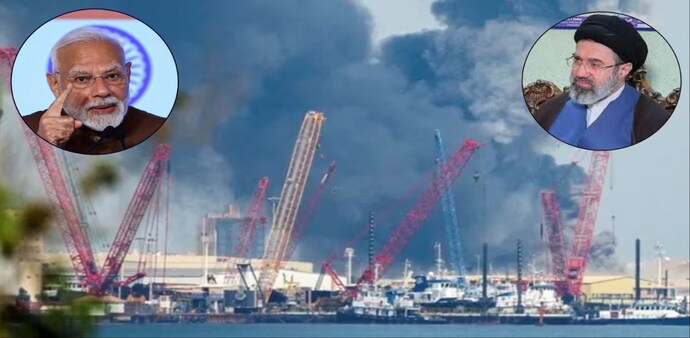
India will hold multiple rounds of talks with Iran in the coming days to ensure the safe passage of 22 Indian-flagged vessels currently positioned near the Strait of Hormuz, as the conflict in West Asia threatens to disrupt one of the world’s most critical energy chokepoints, a government source who did not wish to be named told Business Today.
“Various diplomatic efforts are being taken to protect Indian ships,” a government official said, requesting anonymity.
Out of the 22 Indian-flagged vessels, 12 are said to be carrying critical energy supplies, including liquefied petroleum gas (LPG), liquefied natural gas (LNG), and crude oil.
The Ministry of Ports, Shipping and Waterways confirmed on Saturday that while the ships remain in the western region of the Strait, New Delhi is working to ensure the safe passage of Indian commercial shipments.
During an inter-ministerial press briefing on Saturday, Rajesh Kumar Sinha, Special Secretary in the Shipping Ministry, provided a breakdown of the 22 vessels as follows:
LPG: 6 tankers
Crude oil: 4 tankers
LNG: 1 tanker
Chemicals: 1 tanker
Others: 3 container ships, 2 bulk carriers, and 1 dredger
Two specific tankers, Shivalik and Nanda Devi — each carrying 46,000 metric tonnes of LPG — have successfully crossed the Strait. They are scheduled to berth at Mundra and Kandla ports on March 16 and 17, respectively, Sinha added.
The Strait of Hormuz is the world’s most important oil transit chokepoint, with roughly one-fifth of global oil consumption passing through it every day. For India, which imports more than 80% of its crude oil requirements, any prolonged tension in the Gulf represents a significant inflationary risk and a threat to energy security.
Indian-flagged vessels have previously been caught in the crossfire of regional conflicts or seized during periods of heightened tension between Iran and Western powers.
India will hold multiple rounds of talks with Iran in the coming days to ensure the safe passage of 22 Indian-flagged vessels currently positioned near the Strait of Hormuz, as the conflict in West Asia threatens to disrupt one of the world’s most critical energy chokepoints, a government source who did not wish to be named told Business Today.
“Various diplomatic efforts are being taken to protect Indian ships,” a government official said, requesting anonymity.
Out of the 22 Indian-flagged vessels, 12 are said to be carrying critical energy supplies, including liquefied petroleum gas (LPG), liquefied natural gas (LNG), and crude oil.
The Ministry of Ports, Shipping and Waterways confirmed on Saturday that while the ships remain in the western region of the Strait, New Delhi is working to ensure the safe passage of Indian commercial shipments.
During an inter-ministerial press briefing on Saturday, Rajesh Kumar Sinha, Special Secretary in the Shipping Ministry, provided a breakdown of the 22 vessels as follows:
LPG: 6 tankers
Crude oil: 4 tankers
LNG: 1 tanker
Chemicals: 1 tanker
Others: 3 container ships, 2 bulk carriers, and 1 dredger
Two specific tankers, Shivalik and Nanda Devi — each carrying 46,000 metric tonnes of LPG — have successfully crossed the Strait. They are scheduled to berth at Mundra and Kandla ports on March 16 and 17, respectively, Sinha added.
The Strait of Hormuz is the world’s most important oil transit chokepoint, with roughly one-fifth of global oil consumption passing through it every day. For India, which imports more than 80% of its crude oil requirements, any prolonged tension in the Gulf represents a significant inflationary risk and a threat to energy security.
Indian-flagged vessels have previously been caught in the crossfire of regional conflicts or seized during periods of heightened tension between Iran and Western powers.