
India fires a $788 mn shot at China in fight to break rare earth stranglehold
The move follows China’s tightening of rare earth export controls in April, a decision that rattled global automakers and highlighted the risks of relying on a country that processes 90% of the world’s rare earth output.
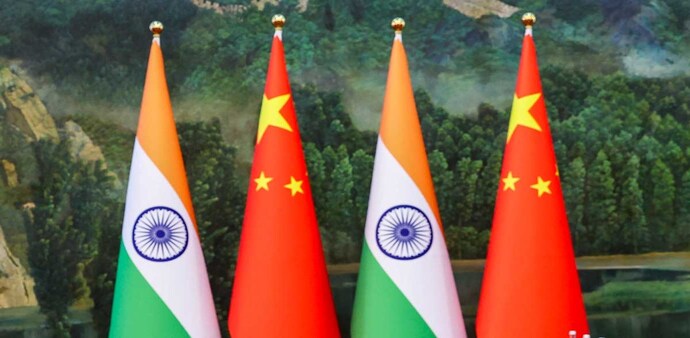
- Nov 3, 2025,
- Updated Nov 3, 2025 7:41 AM IST
India is set to triple its incentive program for rare earth magnet manufacturing to over Rs 7,000 crore ($788 million), in a high-stakes push to reduce dependence on China’s dominance in the critical materials market, according to a Bloomberg report.
The proposal, pending cabinet approval, marks a major escalation from an earlier $290 million scheme aimed at securing rare earth supplies essential for electric vehicles, renewable energy, and defense production. Citing people familiar with the matter, Bloomberg noted the final allocation could still shift.
The move follows China’s tightening of rare earth export controls in April, a decision that rattled global automakers and highlighted the risks of relying on a country that processes 90% of the world’s rare earth output. Prime Minister Narendra Modi has warned against “weaponizing critical minerals” and pushed for diversified global supply chains.
India's strategy echoes similar efforts by other countries seeking to challenge China’s grip, but faces steep challenges: limited funding, scarce expertise, and environmentally complex mining operations due to radioactive byproducts.
To jumpstart the sector, the government, the report claimed, will back about five companies through production-linked and capital subsidies, Bloomberg reported. However, despite China’s recent decision to issue rare earth import licenses for Indian use, none have gone to Indian-origin firms.
India is also exploring magnet-free alternatives. The government is funding studies into synchronous reluctance motors — a technology that could reduce dependence on rare earths in electric powertrains.
Global interest is growing. Several overseas suppliers are eyeing the Indian market, where projected demand for rare earth oxides stands at 2,000 tons annually — a figure easily met by international producers.
State-owned firms are leading the charge in securing mining partnerships abroad, as domestic production remains commercially unviable without subsidies.
Still, India’s efforts could be undercut if Beijing extends its recent easing of export controls — granted to the U.S. and European Union — to India. That could flood the market with cheaper Chinese magnets, stalling investments in India’s emerging supply chain.
India is set to triple its incentive program for rare earth magnet manufacturing to over Rs 7,000 crore ($788 million), in a high-stakes push to reduce dependence on China’s dominance in the critical materials market, according to a Bloomberg report.
The proposal, pending cabinet approval, marks a major escalation from an earlier $290 million scheme aimed at securing rare earth supplies essential for electric vehicles, renewable energy, and defense production. Citing people familiar with the matter, Bloomberg noted the final allocation could still shift.
The move follows China’s tightening of rare earth export controls in April, a decision that rattled global automakers and highlighted the risks of relying on a country that processes 90% of the world’s rare earth output. Prime Minister Narendra Modi has warned against “weaponizing critical minerals” and pushed for diversified global supply chains.
India's strategy echoes similar efforts by other countries seeking to challenge China’s grip, but faces steep challenges: limited funding, scarce expertise, and environmentally complex mining operations due to radioactive byproducts.
To jumpstart the sector, the government, the report claimed, will back about five companies through production-linked and capital subsidies, Bloomberg reported. However, despite China’s recent decision to issue rare earth import licenses for Indian use, none have gone to Indian-origin firms.
India is also exploring magnet-free alternatives. The government is funding studies into synchronous reluctance motors — a technology that could reduce dependence on rare earths in electric powertrains.
Global interest is growing. Several overseas suppliers are eyeing the Indian market, where projected demand for rare earth oxides stands at 2,000 tons annually — a figure easily met by international producers.
State-owned firms are leading the charge in securing mining partnerships abroad, as domestic production remains commercially unviable without subsidies.
Still, India’s efforts could be undercut if Beijing extends its recent easing of export controls — granted to the U.S. and European Union — to India. That could flood the market with cheaper Chinese magnets, stalling investments in India’s emerging supply chain.