
New Parliament building: Behind the rich history of the Sengol from Jawaharlal Nehru to PM Modi
New Parliament building: Behind the rich history of the Sengol from Jawaharlal Nehru to PM Modi
New Parliament building: The Sengol has had a rich history, and signifies the transfer of power from the British rulers to India.
Anwesha Madhukalya
- May 25, 2023,
- Updated May 25, 2023 12:04 PM IST
On Sunday, when Prime Minister Narendra Modi will inaugurate the new Parliament House, he will install the golden Sengol in the new building. The Sengol has had a rich history, and signifies the transfer of power from the British rulers to India. India’s first Prime Minister Jawaharlal Nehru accepted the Sengol at his residence on the night of August 14 in the presence of several leaders.
Advertisement
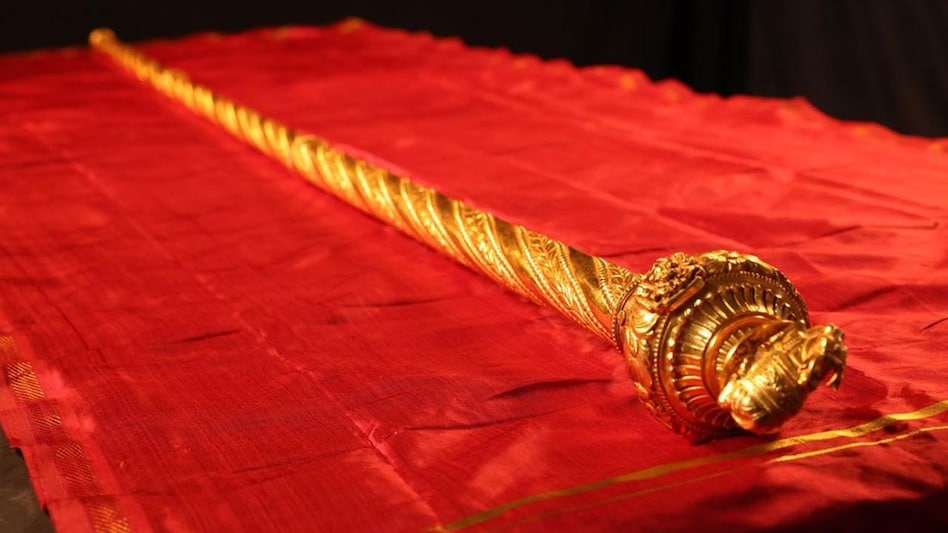
The word Sengol is derived from the Tamil word ‘Semmai’ that refers to righteousness. The Sengol is a symbol of a fair and just rule, and a reminder to the ruler or leader to keep the principles of fairness as the central guideline. The handcrafted piece is 5 feet in length and is gold-plated. The head of the Sengol is a carving of Nandi, Lord Shiva’s sacred bull.
It all began when the last Viceroy Lord Mountbatten asked Pandit Nehru if there was a particular event that had to be followed to signify the transfer of power, as per Indic norms. Pandit Nehru consulted statesman, writer and freedom fighter C Rajagopalachari about it.
Rajaji, as Rajagopalachari was fondly called, suggested the tradition of Chola kings of Tamil Nadu of passing of the Sengol to signify the transfer of power. In the Chola tradition, the Sengol was passed on from one king to another by high priests. Rajaji then organised for the Sengol to be passed on to Pandit Nehru. The 20th Guru Mahasannidanam of the Thiruvavaduthurai Adheenam Sri La Sri Ambalavana Desika Swami, upon Rajaji’s request, gave the design and placed the order with jewellers Vummidi Bangaru Chetty of then Madras.
Advertisement
However, the Thiruvavaduthurai Adheenam Guru Mahasannidanam was unwell when the request came in from Rajaji in 1947, following which the holy seer directed his deputy Sri La Sri Kumaraswamy Thambiran to hand over the Sengol to Nehru.
Adheenams, for the uninitiated, are ancient maths devoted to Lord Shiva. They are non-Brahmin orders, who have been serving the people for centuries. The Thiruvavaduthurai Adheenam that facilitated the transfer of the Sengol was established in the 15th century and have been serving people since.
Advertisement
According to the government, the Sengol was first handed over to Lord Mountbatten by priests who were flown in from Tamil Nadu. The Sengol was then taken back from him, purified with Ganga jal, took out a procession with it to Pandit Nehru, and handed it over to him. They also sang the sacred song Kolaru Padhigam, scripted by 7th century Tamil saint Thirugnanasambandar.
The Sengol has since been kept in the Allahabad Museum in Uttar Pradesh’s Prayagraj.
In 1978, the Maha Periava or the great elder of the Kanchi math recalled the ceremony to a disciple who published it, and has since been recounted multiple times by the Tamil media.
Now the same ceremony will be held on May 28 when the Sengol is installed in the new Parliament building. Leaders of numerous Adheenams will be present during the occasion and will participate in the programme. The Sengol will be purified with Ganga jal and handed over to PM Modi.
The Sengol will be established near the Lok Sabha speaker’s chair and will be brought out on special occasions.
Also read: Golden ‘Sengol’ will be reintroduced in the new Parliament, says Amit Shah
Also watch: What is Sengol, which PM Modi will install in the new Parliament house?
On Sunday, when Prime Minister Narendra Modi will inaugurate the new Parliament House, he will install the golden Sengol in the new building. The Sengol has had a rich history, and signifies the transfer of power from the British rulers to India. India’s first Prime Minister Jawaharlal Nehru accepted the Sengol at his residence on the night of August 14 in the presence of several leaders.
Advertisement
The word Sengol is derived from the Tamil word ‘Semmai’ that refers to righteousness. The Sengol is a symbol of a fair and just rule, and a reminder to the ruler or leader to keep the principles of fairness as the central guideline. The handcrafted piece is 5 feet in length and is gold-plated. The head of the Sengol is a carving of Nandi, Lord Shiva’s sacred bull.
It all began when the last Viceroy Lord Mountbatten asked Pandit Nehru if there was a particular event that had to be followed to signify the transfer of power, as per Indic norms. Pandit Nehru consulted statesman, writer and freedom fighter C Rajagopalachari about it.
Rajaji, as Rajagopalachari was fondly called, suggested the tradition of Chola kings of Tamil Nadu of passing of the Sengol to signify the transfer of power. In the Chola tradition, the Sengol was passed on from one king to another by high priests. Rajaji then organised for the Sengol to be passed on to Pandit Nehru. The 20th Guru Mahasannidanam of the Thiruvavaduthurai Adheenam Sri La Sri Ambalavana Desika Swami, upon Rajaji’s request, gave the design and placed the order with jewellers Vummidi Bangaru Chetty of then Madras.
Advertisement
However, the Thiruvavaduthurai Adheenam Guru Mahasannidanam was unwell when the request came in from Rajaji in 1947, following which the holy seer directed his deputy Sri La Sri Kumaraswamy Thambiran to hand over the Sengol to Nehru.
Adheenams, for the uninitiated, are ancient maths devoted to Lord Shiva. They are non-Brahmin orders, who have been serving the people for centuries. The Thiruvavaduthurai Adheenam that facilitated the transfer of the Sengol was established in the 15th century and have been serving people since.
Advertisement
According to the government, the Sengol was first handed over to Lord Mountbatten by priests who were flown in from Tamil Nadu. The Sengol was then taken back from him, purified with Ganga jal, took out a procession with it to Pandit Nehru, and handed it over to him. They also sang the sacred song Kolaru Padhigam, scripted by 7th century Tamil saint Thirugnanasambandar.
The Sengol has since been kept in the Allahabad Museum in Uttar Pradesh’s Prayagraj.
In 1978, the Maha Periava or the great elder of the Kanchi math recalled the ceremony to a disciple who published it, and has since been recounted multiple times by the Tamil media.
Now the same ceremony will be held on May 28 when the Sengol is installed in the new Parliament building. Leaders of numerous Adheenams will be present during the occasion and will participate in the programme. The Sengol will be purified with Ganga jal and handed over to PM Modi.
The Sengol will be established near the Lok Sabha speaker’s chair and will be brought out on special occasions.
Also read: Golden ‘Sengol’ will be reintroduced in the new Parliament, says Amit Shah
Also watch: What is Sengol, which PM Modi will install in the new Parliament house?
Read more!