
SBI Research expects 6% repo rate: Why inflation is forcing RBI’s hand
In its latest Ecowrap, SBI Research said India’s inflation trajectory could worsen in the coming months, with CPI inflation estimated to peak at around 6.8% in November 2026.
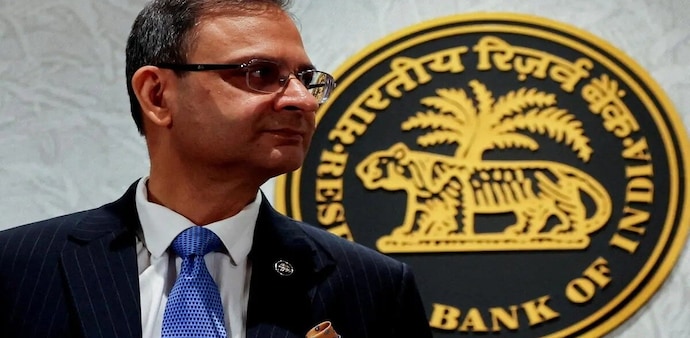
- Oct 7, 2026,
- Updated Oct 7, 2026 6:34 PM IST
The Reserve Bank of India’s decision to raise the repo rate to 5.50% could mark the beginning of a sharper tightening cycle, with SBI Research expecting the policy rate to reach 6% by December as inflation is projected to accelerate further.
In its latest Ecowrap, SBI Research said India’s inflation trajectory could worsen in the coming months, with CPI inflation estimated to peak at around 6.8% in November 2026. Based on historical RBI policy cycles and the relationship between inflation and peak policy rates, the research team expects another 50 basis points of cumulative tightening from the current level.
The projection comes after the Monetary Policy Committee unanimously raised the repo rate by 25 bps to 5.50% on October 7, its first rate increase in about four years.
RBI Governor Sanjay Malhotra on Wednesday announced a 25-basis-point increase in the policy repo rate to 5.50%, with the MPC unanimously voting in favour of the hike. The MPC, which met from October 5 to 7, also shifted its policy stance from neutral to calibrated tightening, with the decision supported by a 4-2 majority.
SBI Research said the latest policy marks a significant change in the RBI’s approach. The central bank’s options in the near term have effectively narrowed to a rate hike or a pause, with rate cuts no longer on the table under current conditions.
MUST READ: RBI hikes repo rate: Your FD could pay more, but bonds may take a hit. What investors should know
Why inflation matters
The RBI has already raised its FY27 CPI inflation forecast by 20 bps to 5.2%, while its core inflation projection has been increased by 10 bps to 4.4%. The central bank expects inflation at 4.9% in the second quarter, 6% in the third quarter and 5.7% in the fourth quarter of FY27.
SBI Research believes the worsening inflation trajectory could require a more forceful response. Its historical analysis shows that the RBI’s peak policy rate has generally been calibrated to the intensity and persistence of inflationary pressures. With inflation potentially reaching 6.8% in November, SBI estimates that a 6% peak repo rate would be consistent with the historical relationship.
The research team believes the December policy meeting could deliver a 50 bps hike, depending on global conditions. It argues that the RBI may need to avoid a prolonged sequence of small increases if global volatility intensifies, making a larger move more effective.
At the same time, the RBI has not abandoned its growth outlook. It raised its FY27 GDP growth forecast by 40 bps to 7.1%, citing continuing momentum in services, strong capacity utilisation and robust credit flows.
SBI Research described the latest policy shift as a move from “watchfulness to explicit tightening”, rather than a panic response. The combination of stronger growth and rising inflation pressures suggests the RBI currently has greater room to prioritise price stability through higher interest rates.
If inflation follows SBI’s projected trajectory, the next phase of monetary policy could therefore be significantly more restrictive, with 6% repo rate becoming a possibility as early as December.
DO READ: Global economic sentiments may be edgy but Indian economy is resilient: RBI
The Reserve Bank of India’s decision to raise the repo rate to 5.50% could mark the beginning of a sharper tightening cycle, with SBI Research expecting the policy rate to reach 6% by December as inflation is projected to accelerate further.
In its latest Ecowrap, SBI Research said India’s inflation trajectory could worsen in the coming months, with CPI inflation estimated to peak at around 6.8% in November 2026. Based on historical RBI policy cycles and the relationship between inflation and peak policy rates, the research team expects another 50 basis points of cumulative tightening from the current level.
The projection comes after the Monetary Policy Committee unanimously raised the repo rate by 25 bps to 5.50% on October 7, its first rate increase in about four years.
RBI Governor Sanjay Malhotra on Wednesday announced a 25-basis-point increase in the policy repo rate to 5.50%, with the MPC unanimously voting in favour of the hike. The MPC, which met from October 5 to 7, also shifted its policy stance from neutral to calibrated tightening, with the decision supported by a 4-2 majority.
SBI Research said the latest policy marks a significant change in the RBI’s approach. The central bank’s options in the near term have effectively narrowed to a rate hike or a pause, with rate cuts no longer on the table under current conditions.
MUST READ: RBI hikes repo rate: Your FD could pay more, but bonds may take a hit. What investors should know
Why inflation matters
The RBI has already raised its FY27 CPI inflation forecast by 20 bps to 5.2%, while its core inflation projection has been increased by 10 bps to 4.4%. The central bank expects inflation at 4.9% in the second quarter, 6% in the third quarter and 5.7% in the fourth quarter of FY27.
SBI Research believes the worsening inflation trajectory could require a more forceful response. Its historical analysis shows that the RBI’s peak policy rate has generally been calibrated to the intensity and persistence of inflationary pressures. With inflation potentially reaching 6.8% in November, SBI estimates that a 6% peak repo rate would be consistent with the historical relationship.
The research team believes the December policy meeting could deliver a 50 bps hike, depending on global conditions. It argues that the RBI may need to avoid a prolonged sequence of small increases if global volatility intensifies, making a larger move more effective.
At the same time, the RBI has not abandoned its growth outlook. It raised its FY27 GDP growth forecast by 40 bps to 7.1%, citing continuing momentum in services, strong capacity utilisation and robust credit flows.
SBI Research described the latest policy shift as a move from “watchfulness to explicit tightening”, rather than a panic response. The combination of stronger growth and rising inflation pressures suggests the RBI currently has greater room to prioritise price stability through higher interest rates.
If inflation follows SBI’s projected trajectory, the next phase of monetary policy could therefore be significantly more restrictive, with 6% repo rate becoming a possibility as early as December.
DO READ: Global economic sentiments may be edgy but Indian economy is resilient: RBI