
Why is private capex still weak? Harsh Goenka lists what's stopping India Inc
Why is private capex still weak? Harsh Goenka lists what's stopping India Inc
Earlier this month, Chief Economic Advisor V Anantha Nageswaran publicly questioned why private investment remained weak despite a sharp rise in corporate profitability after the Covid-19 pandemic
Business Today Desk
- May 13, 2026,
- Updated May 13, 2026 5:12 PM IST
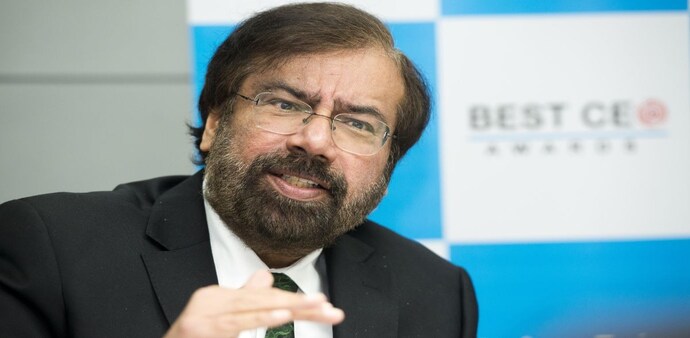
Harsh Goenka, chairman of RPG Enterprises, on Wednesday listed policy uncertainty, regulatory fears and changing business priorities among the key reasons why private capital expenditure in India remains weak despite strong corporate profits.
"Why is private capex in India still weak despite good corporate profits?" Goenka wrote in a post on X. "This has been concerning the government rightly and our Hon FM Nirmala Sitharaman in particular."
Advertisement
Don't Miss: India needs 12% annual growth to reach $30 trillion economy by 2047: CEA
Goenka said he spoke to several businessmen before arriving at his conclusions.
Among the factors he listed were "policy and tax uncertainty", "fear of unpredictable regulatory action", weak demand visibility in some sectors and "long legal and approval delays".
He also said many startups and new-age companies preferred "asset-light businesses over building factories".
Goenka further pointed to a shift in priorities among younger business heirs. "New generation in family-run businesses is more interested in family office investments rather than working hard," he wrote.
Earlier this month, Chief Economic Advisor V Anantha Nageswaran publicly questioned why private investment remained weak despite a sharp rise in corporate profitability after the Covid-19 pandemic.
Advertisement
Addressing a conference organised by Ashoka University, Nageswaran said corporate profits among BSE 500 and NSE 500 companies had grown at 30.8% annually after Covid, but private sector capital formation remained "disappointing".
The CEA said companies and second or third generation entrepreneurs had "chosen to accumulate those cash profits and probably set up family offices elsewhere rather than investing in real assets on the ground".
Much of the nation-building in developed countries happened not because of public policy alone, but also because the industry acted in national interest and found a fusion between their private interest and national interest, he said.
"So, it's always easier to point a finger at the government, but sometimes the gaze also has to be reversed on the part of the industry," Nageswaran said.
Advertisement
Finance Minister Sitharaman has also repeatedly questioned why companies remained reluctant to invest despite lower corporate taxes, bank clean-ups and large public infrastructure spending.
At the same time, industry body Confederation of Indian Industry recently said private capital expenditure surged 67% year-on-year to Rs 7.7 lakh crore in September 2025, calling it evidence of a "broad-based revival" in India's investment cycle.
Harsh Goenka, chairman of RPG Enterprises, on Wednesday listed policy uncertainty, regulatory fears and changing business priorities among the key reasons why private capital expenditure in India remains weak despite strong corporate profits.
"Why is private capex in India still weak despite good corporate profits?" Goenka wrote in a post on X. "This has been concerning the government rightly and our Hon FM Nirmala Sitharaman in particular."
Advertisement
Don't Miss: India needs 12% annual growth to reach $30 trillion economy by 2047: CEA
Goenka said he spoke to several businessmen before arriving at his conclusions.
Among the factors he listed were "policy and tax uncertainty", "fear of unpredictable regulatory action", weak demand visibility in some sectors and "long legal and approval delays".
He also said many startups and new-age companies preferred "asset-light businesses over building factories".
Goenka further pointed to a shift in priorities among younger business heirs. "New generation in family-run businesses is more interested in family office investments rather than working hard," he wrote.
Earlier this month, Chief Economic Advisor V Anantha Nageswaran publicly questioned why private investment remained weak despite a sharp rise in corporate profitability after the Covid-19 pandemic.
Advertisement
Addressing a conference organised by Ashoka University, Nageswaran said corporate profits among BSE 500 and NSE 500 companies had grown at 30.8% annually after Covid, but private sector capital formation remained "disappointing".
The CEA said companies and second or third generation entrepreneurs had "chosen to accumulate those cash profits and probably set up family offices elsewhere rather than investing in real assets on the ground".
Much of the nation-building in developed countries happened not because of public policy alone, but also because the industry acted in national interest and found a fusion between their private interest and national interest, he said.
"So, it's always easier to point a finger at the government, but sometimes the gaze also has to be reversed on the part of the industry," Nageswaran said.
Advertisement
Finance Minister Sitharaman has also repeatedly questioned why companies remained reluctant to invest despite lower corporate taxes, bank clean-ups and large public infrastructure spending.
At the same time, industry body Confederation of Indian Industry recently said private capital expenditure surged 67% year-on-year to Rs 7.7 lakh crore in September 2025, calling it evidence of a "broad-based revival" in India's investment cycle.
Read more!