


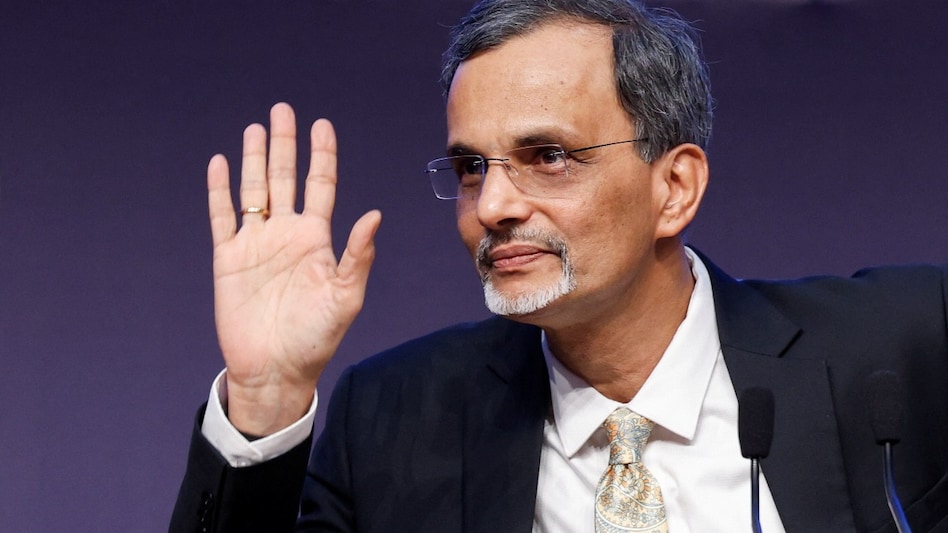
 V Anantha Nageswaran said while India has traditionally excelled in frugal innovation, the next phase of growth will depend on advancing high-quality research in science and engineering.
India has the potential to become a $30 trillion economy by 2047, but achieving this milestone will require sustained high growth and a strong push toward technological advancement, Chief Economic Advisor (CEA) V Anantha Nageswaran said on Thursday.
Speaking at the 67th Institute Day celebrations of IIT Madras, Nageswaran stated that India would need to grow at around 12% annually in dollar terms to meet this ambitious target. India’s current GDP stands at approximately $3.91 trillion and is projected to nearly double to $7.8 trillion over the next six years, indicating a strong near-term growth trajectory.

 Respite for passengers: No more train cancellations planned over CJP protest, says Railways
 India’s 25-minute commute: Why short travel times may hide a deeper jobs crisis
 Make in India: Why India’s manufacturing gains look stronger against a turbulent decade
 CJP protest today: After Mamata, Delhi Police detains AAP chief Arvind Kejriwal
 India’s money supply growth hits 17.3%: Why expert warns of inflation risks
 Will IRDAI’s Broker Commission Crackdown Make Insurance Cheaper For Consumers?
 5 Reason Why Cheap Premium Insurance May Not Be The Best Choice
 Health & Life Insurance: How Much Cover Do You Really Need? Expert Explains
 Silver Investment Outlook: Why Gen Z Should Watch This Metal's Long-Term Growth Potential
 Gold Price Outlook: Is This the Right Time to Invest? Expert Sees Potential for New Highs
 Market on the back foot, opportunities ahead: where should investors put their money?
 Poonawalla Fincorp Q2 earnings: Net profit zooms 405%, NII at Rs 1,589 crore
  Vedanta, TCS shares to turn ex-dividend; Ola rights issue; 2 stock splits next week
 IPO rush: Rs 50,000 crore worth IPOs to hit Street by Diwali; Jio, Avada to lead fundraise
 Adani Ports, GMR Airports rise up to 5% amid block deal reports; check details
  Abhijeet Dipke’s grandmother Savitribai dies at 85, CJP founder given choice to attend last ritesRespite for passengers: No more train cancellations planned over CJP protest, says RailwaysCJP protest today: After Mamata, Delhi Police detains AAP chief Arvind KejriwalIndia’s money supply growth hits 17.3%: Why expert warns of inflation risks
 CJP protest: Mamata Banerjee, MPs of her TMC faction detained; AISA President Neha Bora, others also held












