
Adani Group-OCCRP issue: Congress demands JPC probe, criticises PM Modi
Mentioning the latest set of allegations levelled by the OCCRP, Ramesh said it is clear that PM Narendra Modi has gone lengths to protect "his corrupt friends and their misdeeds".
Basudha Das
- Aug 31, 2023,
- Updated Aug 31, 2023 2:30 PM IST
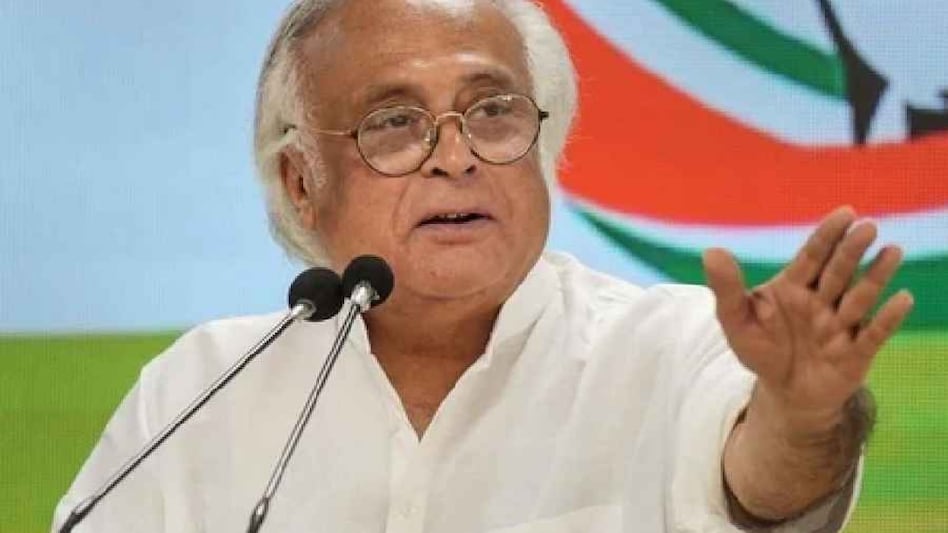
Senior Congress leader Jairam Ramesh on Thursday demanded a Joint Parliamentary Committee probe to know the full story about the flow of benami funds into the Adani Group, how foreign citizens came to play a role in critical national infrastructure.
Mentioning the latest set of allegations levelled by the Organised Crime and Corruption Reporting Project (OCCRP) against the Adani Group, Ramesh said it is clear that PM Narendra Modi has gone lengths to protect "his corrupt friends and their misdeeds" by rendering India’s regulatory and investigative agencies toothless.
Advertisement
The OCCRP alleged that the Adani Group had invested significant sums in publicly traded group stocks through 'opaque' investment funds based in Mauritius, managed by partners of the promoter family.
In a post on X (former Twitter), Ramesh said on one hand the prime minsiter has spoken about eliminating safe havens for economic offenders and breaking down the web of complex international regulations, on the other hand, he has reduced the regulatory and investigative agencies to political tools to intimidate the Opposition rather than to investigate wrongdoing.
"It is worth recalling PM Modi’s words at the November 2014 Brisbane G20 summit calling for global cooperation “to eliminate safe havens for economic offenders”, to “track down and unconditionally extradite money launderers” and to “break down the web of complex international regulations and excessive banking secrecy that hide the corrupt and their deeds... Today’s explosive revelations by OCCRP, The Financial Times and The Guardian about the clearly brazen violations of Indian securities laws by the Adani Group and its close associates are a reminder of how hollow these words have proven," Ramesh said in his post.
Advertisement
"They are a reminder of the lengths and depths to which the PM has gone to protect his corrupt friends and their misdeeds by rendering India’s regulatory and investigative agencies toothless, reducing them to political tools to intimidate the Opposition rather than to investigate wrongdoing," he added.
"Despite the Modi government’s best efforts, the truth will not stay suppressed forever. However, the full story about the flow of Benami funds into the Adani Group, how foreign citizens came to play a role in critical national infrastructure and how PM Modi violated rules, regulations and norms to enrich his close friends can only be revealed by a JPC," Ramesh posted on X.
He further said the actual ownership of two of the thirteen benami shell companies that SEBI has failed to identify, despite years of “investigation”, has been revealed. But questions remain about Sebi’s role.
Advertisement
He said the OCCPR report clearly shows that there is a link between Adani associates Nasser Ali Shaban Ahli and Chang Chung-Ling in a bid to bypass Indian securities laws relating to minimum public shareholding that were put in place to prevent share price manipulation.
"Shell companies controlled by Ahli and Chang—that have been revealed to be fronts for Gautam Adani’s elder brother Vinod—accumulated substantial stakes in four Adani Group companies covertly and illegally. The stench of corruption around the network of Adani-linked shell companies located in opaque tax havens is only getting stronger with the money trail being established now," Ramesh posted.
He said: "The actual ownership of two of the thirteen benami shell companies that Sebi has failed to identify, despite years of “investigation”, has been revealed. But questions remain about Sebis role. Did the obvious conflict of interest revealed by the association of past Sebi Chairpersons with the Adani Group play a role in SEBI’s inability to properly investigate these shell companies? Why did Sebi fail to disclose to the Supreme Court that the Directorate of Revenue Intelligence(DRI) had carried out investigations against the Adani Group in 2014, that were then closed by the Modi government in 2017."
Advertisement
Earlier, Ramesh had said stock market regulator Sebi’s inability to reach a conclusive finding on the allegations of round-tripping and money laundering by the Adani Group was “deeply worrying”.
Last week, Ramesh said Sebi has admitted this in its status report to the Supreme Court and added only a JP) can examine how the government flouted norms and procedures to help Prime Minister Narendra Modi’s “favourite business group”. “The inability of the Sebi to reach a conclusive finding on allegations of round-tripping and money laundering by the Adani Group, as it has admitted in its 25th August 2023 status report to the Supreme Court, is deeply troubling,” Ramesh said in a statement.
The country, Ramesh said, is clearly paying a heavy price for the SEBI’s decision in 2018 to dilute and in 2019 to delete the reporting requirements relating to the ultimate beneficial ownership of foreign funds. The Congress leader noted no less than the Supreme Court’s Expert Committee pointed out that the reason the SEBI has failed to identify beneficial ownership of overseas investors in Adani companies was that “the securities market regulator suspects wrongdoing” but is “drawing a blank worldwide” due to its “piquant” decision to remove these stipulations.
Advertisement
Also Read: 'Concerted bid by George Soros-funded interests': Adani Group rejects OCCRP report
Senior Congress leader Jairam Ramesh on Thursday demanded a Joint Parliamentary Committee probe to know the full story about the flow of benami funds into the Adani Group, how foreign citizens came to play a role in critical national infrastructure.
Mentioning the latest set of allegations levelled by the Organised Crime and Corruption Reporting Project (OCCRP) against the Adani Group, Ramesh said it is clear that PM Narendra Modi has gone lengths to protect "his corrupt friends and their misdeeds" by rendering India’s regulatory and investigative agencies toothless.
Advertisement
The OCCRP alleged that the Adani Group had invested significant sums in publicly traded group stocks through 'opaque' investment funds based in Mauritius, managed by partners of the promoter family.
In a post on X (former Twitter), Ramesh said on one hand the prime minsiter has spoken about eliminating safe havens for economic offenders and breaking down the web of complex international regulations, on the other hand, he has reduced the regulatory and investigative agencies to political tools to intimidate the Opposition rather than to investigate wrongdoing.
"It is worth recalling PM Modi’s words at the November 2014 Brisbane G20 summit calling for global cooperation “to eliminate safe havens for economic offenders”, to “track down and unconditionally extradite money launderers” and to “break down the web of complex international regulations and excessive banking secrecy that hide the corrupt and their deeds... Today’s explosive revelations by OCCRP, The Financial Times and The Guardian about the clearly brazen violations of Indian securities laws by the Adani Group and its close associates are a reminder of how hollow these words have proven," Ramesh said in his post.
Advertisement
"They are a reminder of the lengths and depths to which the PM has gone to protect his corrupt friends and their misdeeds by rendering India’s regulatory and investigative agencies toothless, reducing them to political tools to intimidate the Opposition rather than to investigate wrongdoing," he added.
"Despite the Modi government’s best efforts, the truth will not stay suppressed forever. However, the full story about the flow of Benami funds into the Adani Group, how foreign citizens came to play a role in critical national infrastructure and how PM Modi violated rules, regulations and norms to enrich his close friends can only be revealed by a JPC," Ramesh posted on X.
He further said the actual ownership of two of the thirteen benami shell companies that SEBI has failed to identify, despite years of “investigation”, has been revealed. But questions remain about Sebi’s role.
Advertisement
He said the OCCPR report clearly shows that there is a link between Adani associates Nasser Ali Shaban Ahli and Chang Chung-Ling in a bid to bypass Indian securities laws relating to minimum public shareholding that were put in place to prevent share price manipulation.
"Shell companies controlled by Ahli and Chang—that have been revealed to be fronts for Gautam Adani’s elder brother Vinod—accumulated substantial stakes in four Adani Group companies covertly and illegally. The stench of corruption around the network of Adani-linked shell companies located in opaque tax havens is only getting stronger with the money trail being established now," Ramesh posted.
He said: "The actual ownership of two of the thirteen benami shell companies that Sebi has failed to identify, despite years of “investigation”, has been revealed. But questions remain about Sebis role. Did the obvious conflict of interest revealed by the association of past Sebi Chairpersons with the Adani Group play a role in SEBI’s inability to properly investigate these shell companies? Why did Sebi fail to disclose to the Supreme Court that the Directorate of Revenue Intelligence(DRI) had carried out investigations against the Adani Group in 2014, that were then closed by the Modi government in 2017."
Advertisement
Earlier, Ramesh had said stock market regulator Sebi’s inability to reach a conclusive finding on the allegations of round-tripping and money laundering by the Adani Group was “deeply worrying”.
Last week, Ramesh said Sebi has admitted this in its status report to the Supreme Court and added only a JP) can examine how the government flouted norms and procedures to help Prime Minister Narendra Modi’s “favourite business group”. “The inability of the Sebi to reach a conclusive finding on allegations of round-tripping and money laundering by the Adani Group, as it has admitted in its 25th August 2023 status report to the Supreme Court, is deeply troubling,” Ramesh said in a statement.
The country, Ramesh said, is clearly paying a heavy price for the SEBI’s decision in 2018 to dilute and in 2019 to delete the reporting requirements relating to the ultimate beneficial ownership of foreign funds. The Congress leader noted no less than the Supreme Court’s Expert Committee pointed out that the reason the SEBI has failed to identify beneficial ownership of overseas investors in Adani companies was that “the securities market regulator suspects wrongdoing” but is “drawing a blank worldwide” due to its “piquant” decision to remove these stipulations.
Advertisement
Also Read: 'Concerted bid by George Soros-funded interests': Adani Group rejects OCCRP report
Read more!