
120 days without sunrise — how Norway lives through the Polar Night
In Norway’s Arctic north, the sun vanishes for four months each year. Locals live by moonlight, celebrate darkness, and find beauty where daylight dares not go.
- Nov 28, 2025,
- Updated Nov 28, 2025 11:45 AM IST
- 1/9
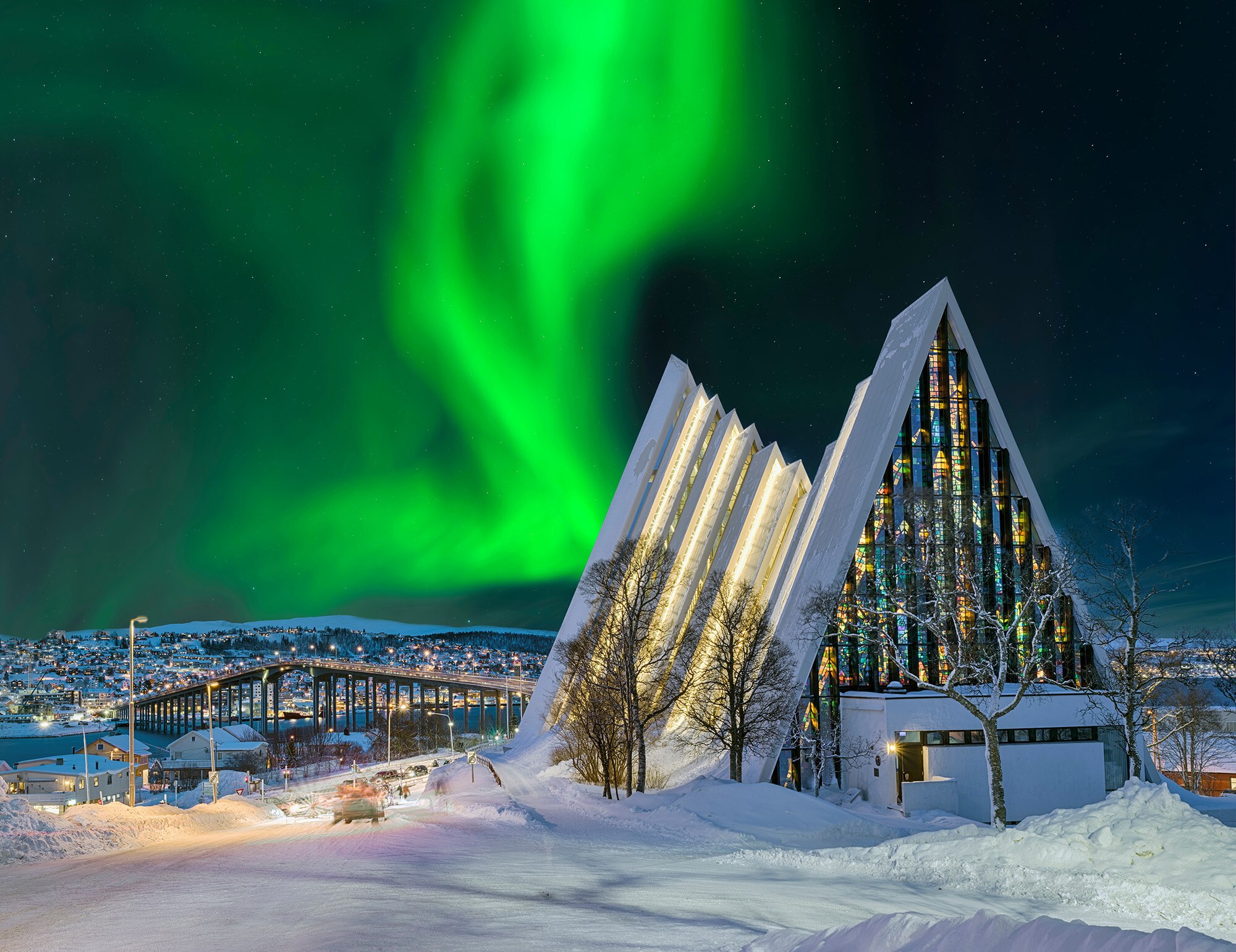
Imagine stepping outside and never seeing dawn for months. In parts of Norway, like Tromsø, the sun disappears entirely — plunging the land into a hauntingly beautiful Polar Night that lasts nearly 120 days.
- 2/9
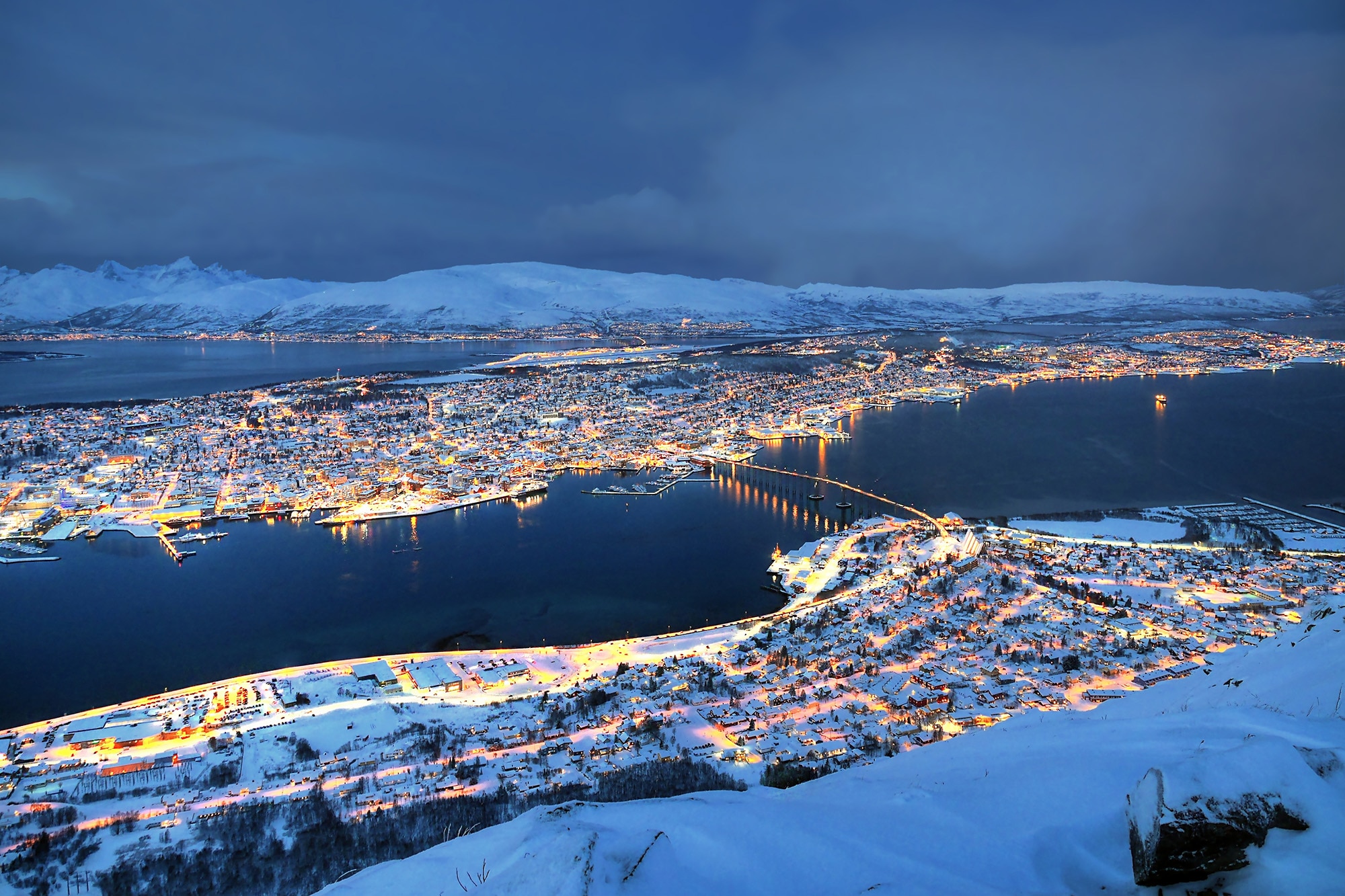
Without sunlight, the world transforms. Streets glow under soft moonlight, the sea mirrors the stars, and even the air feels still — as if time itself takes a deep, frozen breath.
- 3/9
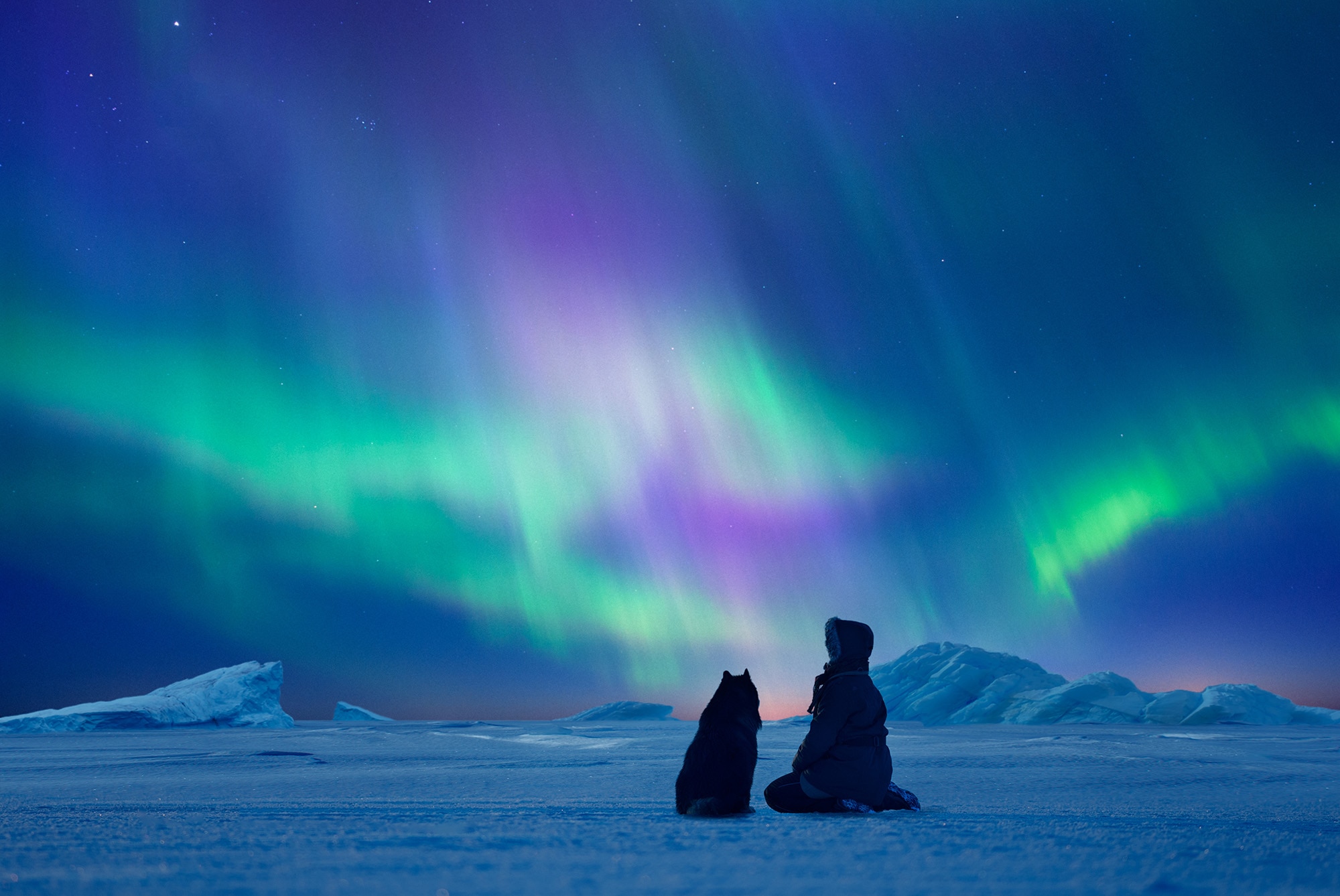
Experts call it the Polar Night phenomenon, caused by Earth’s tilt away from the sun during winter. Above the Arctic Circle, the sun dips below the horizon — and doesn’t return until spring.
- 4/9
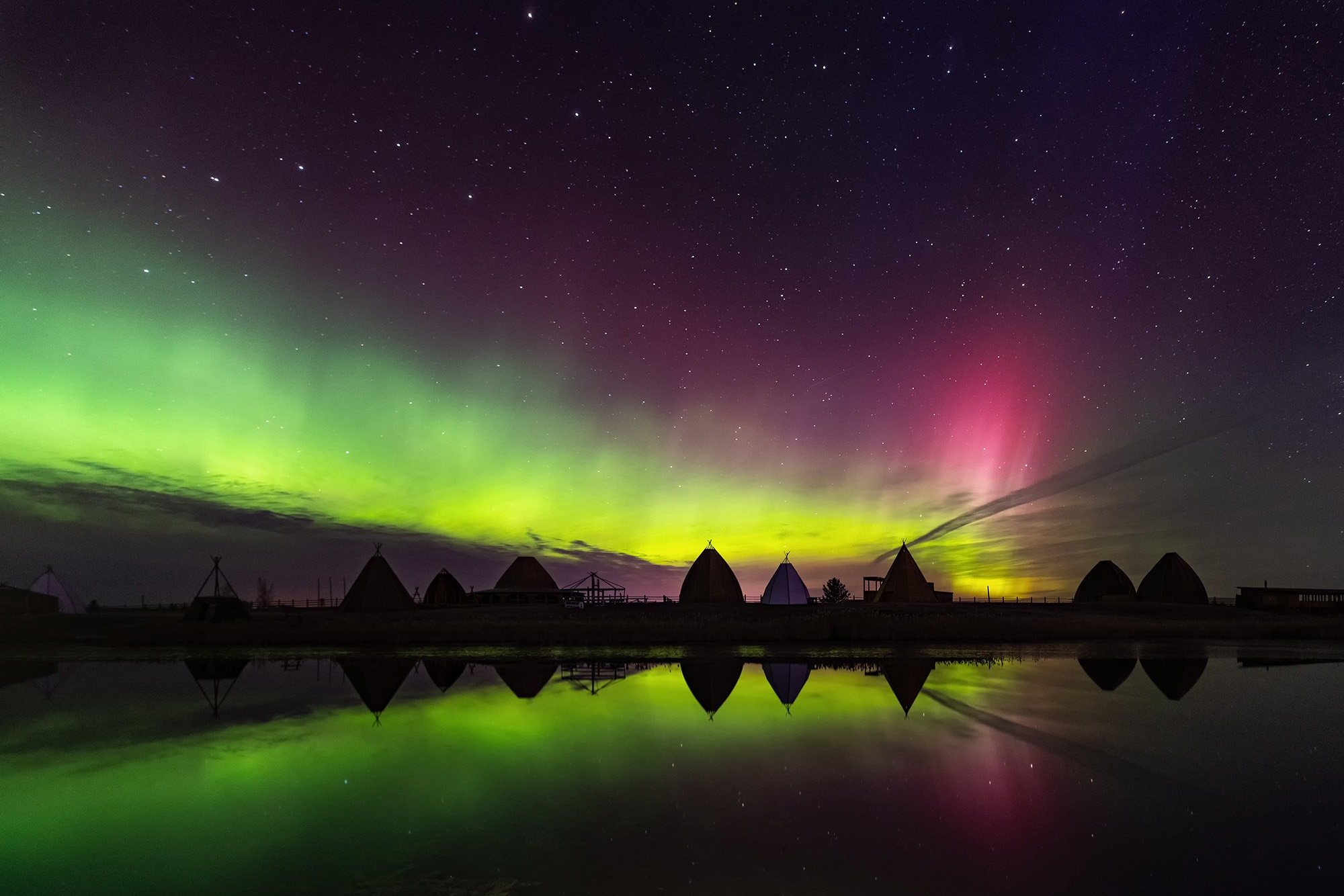
Psychologists say the absence of daylight challenges even the strongest minds. Locals fight “Polar depression” with light therapy, social gatherings, and community traditions built on resilience.

- 5/9
Far from dreary, the darkness sparks celebration. Tromsø hosts “The Polar Night Festival,” where music, art, and fireworks turn eternal twilight into a season of human warmth and creativity.
- 6/9
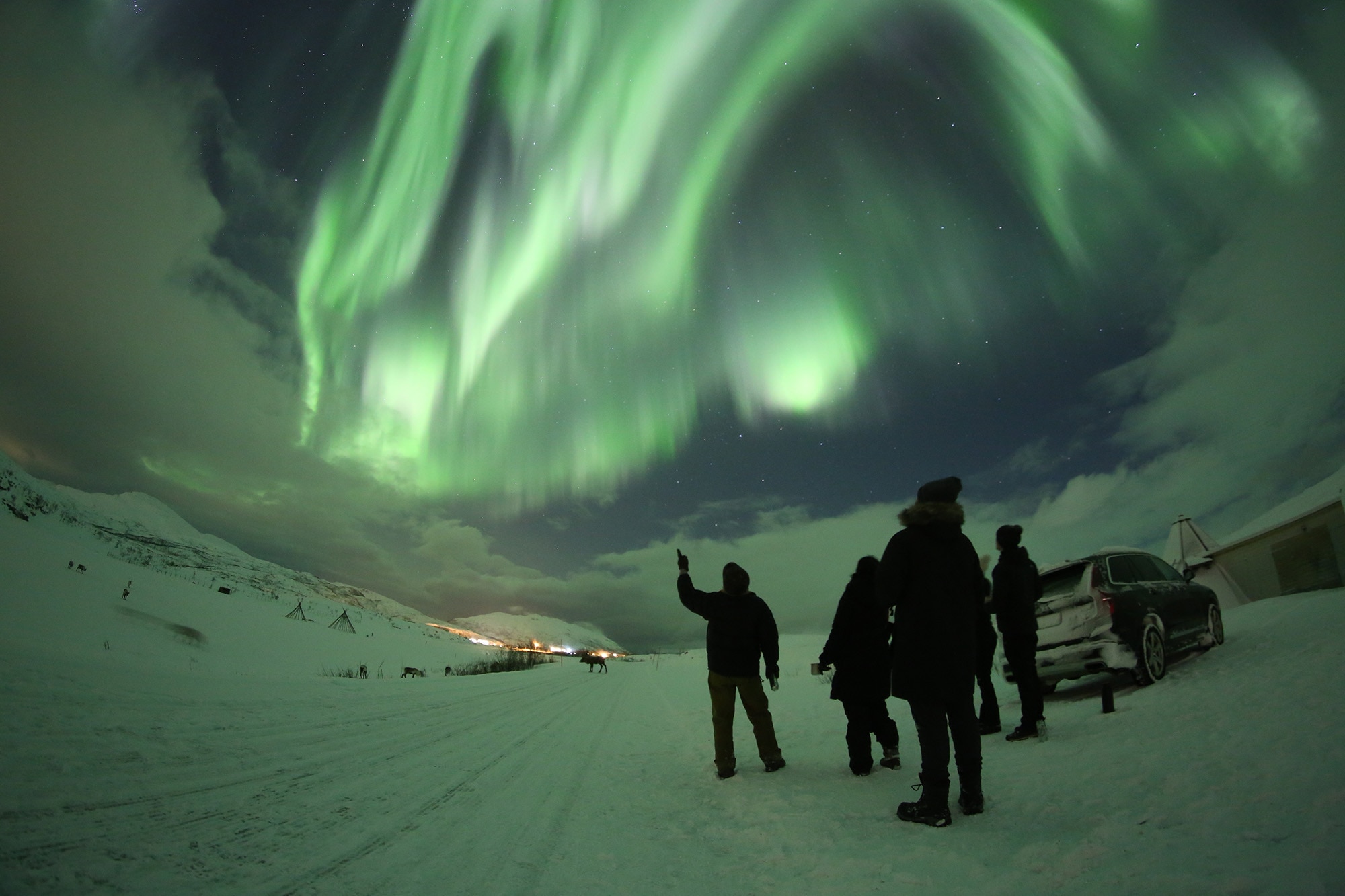
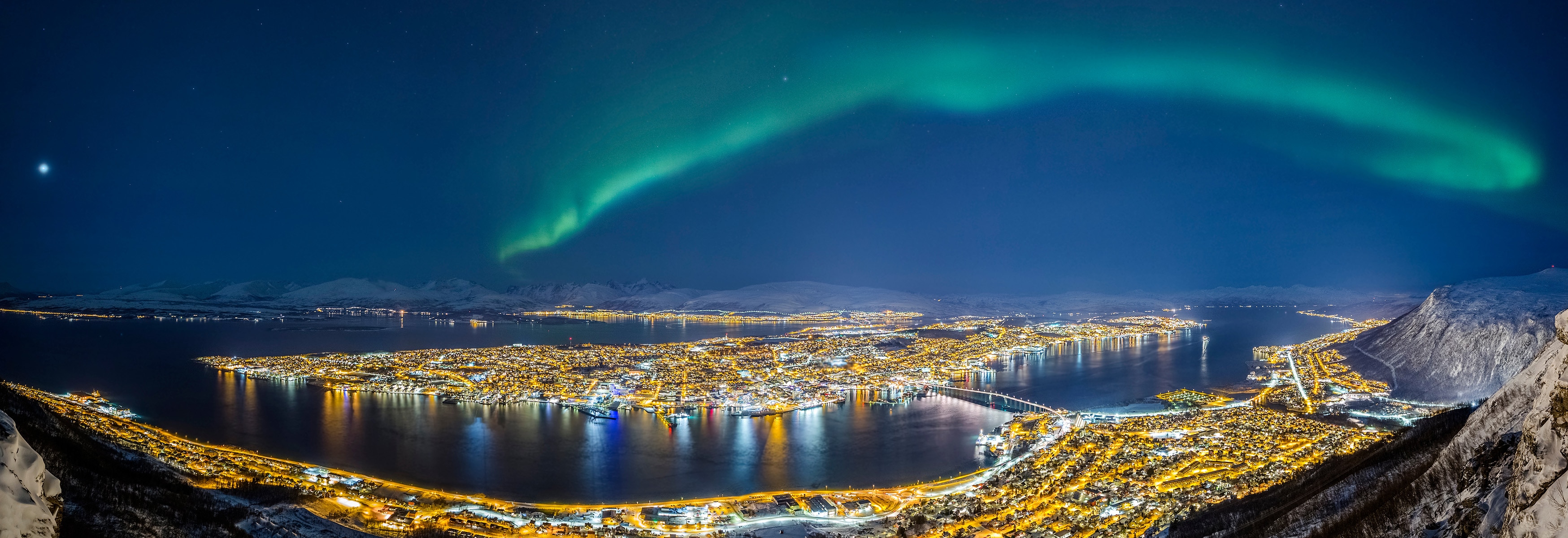
When the sun sleeps, the sky wakes. The Northern Lights stretch across the heavens — green ribbons of plasma painting night after night, an ethereal reminder that beauty thrives in absence.
- 7/9
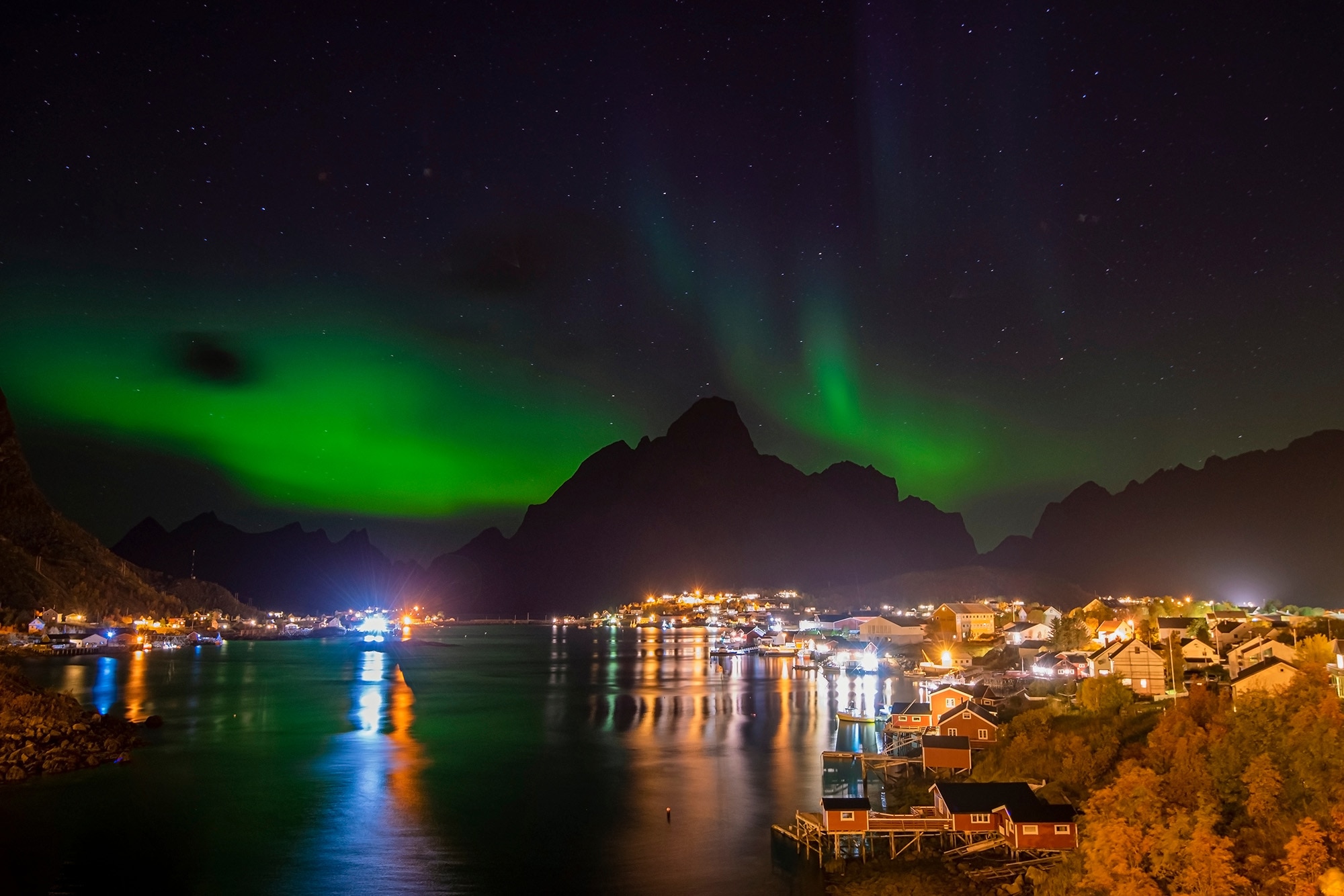
Life adapts. Locals adjust circadian rhythms, change diets, and even modify sleep schedules. Scientists study how the body’s internal clock copes without sunlight — lessons useful for space travel.
- 8/9
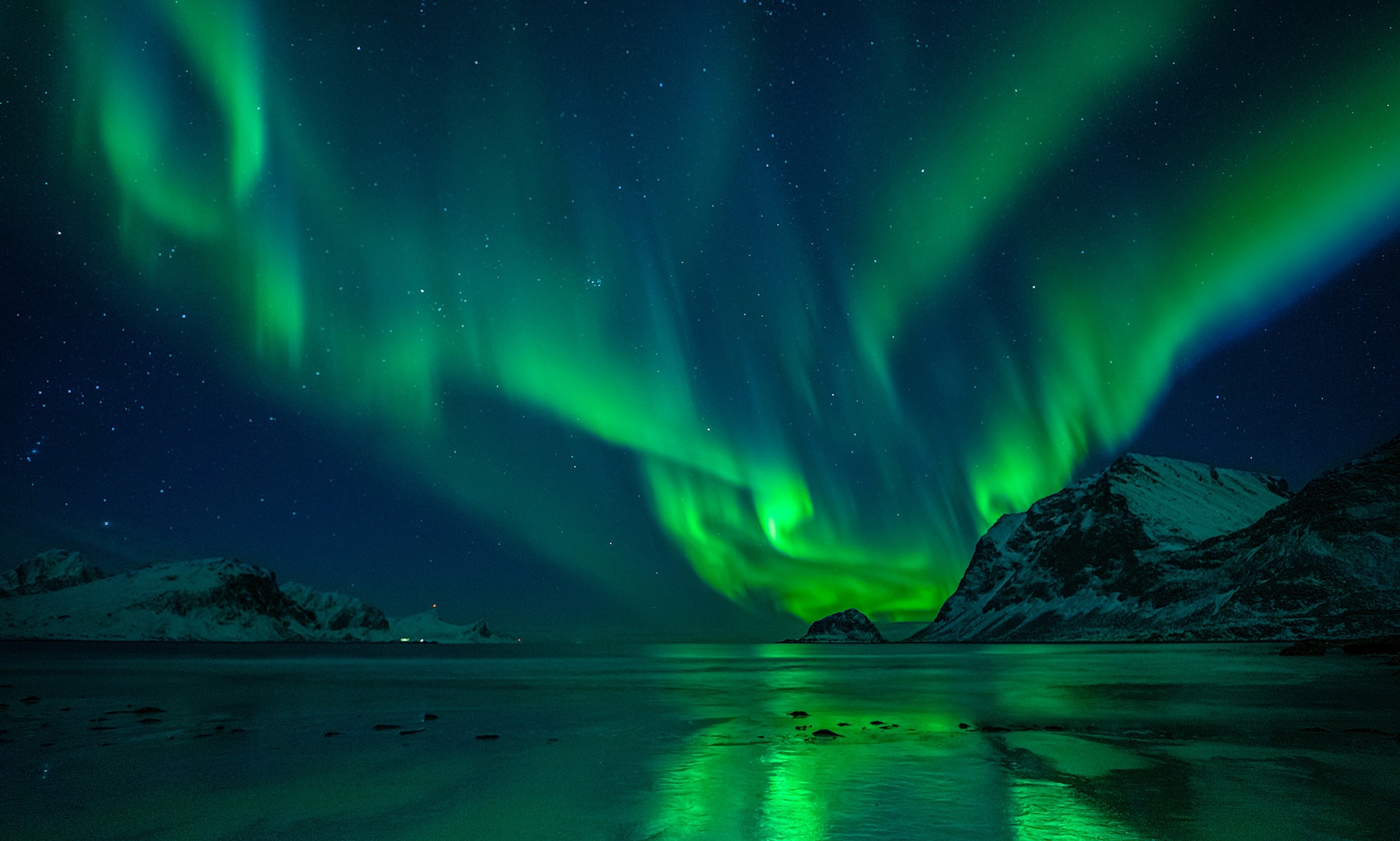
When the first ray reappears in January, schools close and families climb hills to welcome it. The festival, Solfesten, marks not just the sunrise — but the resilience of those who endured its absence.
- 9/9
To live without sunrise is to learn gratitude — for warmth, for brightness, and for hope. The Polar Night teaches something the tropics never can: that darkness, too, can be luminous.