
53 years later: NASA returns to the Moon with Artemis II, but nothing is the same
After 53 years, NASA is returning to the Moon with Artemis II. From rockets to suits and costs, this visual story explores how space exploration has transformed since Apollo.
- Apr 1, 2026,
- Updated Apr 1, 2026 6:46 PM IST
- 1/9
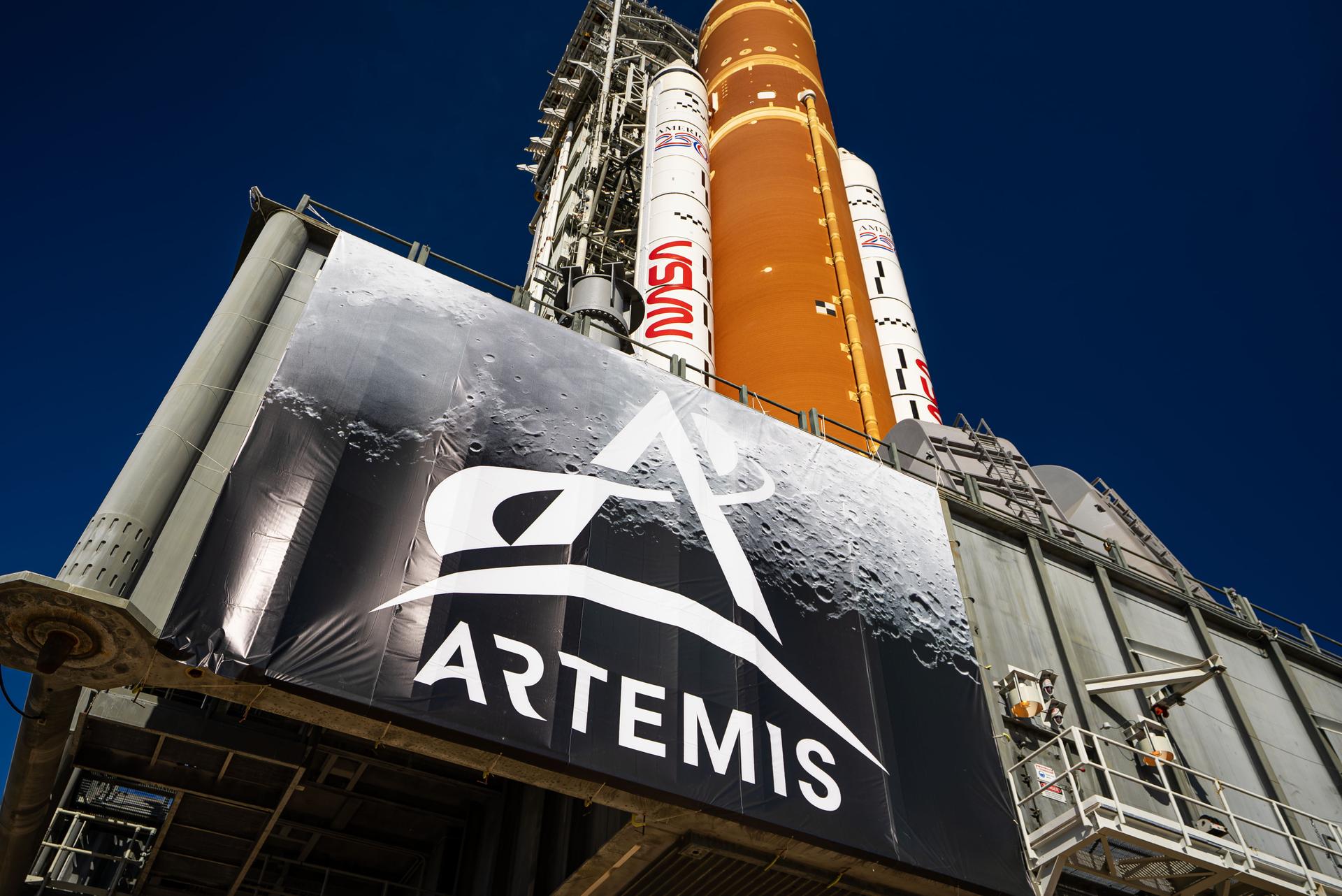
Fifty-three years after Apollo 17, NASA is returning to the Moon with Artemis II - the first crewed mission beyond lunar orbit since 1972. The flight will mark the first time astronauts fly aboard the Space Launch System (SLS) rocket and Orion spacecraft. During this mission, NASA is sending four astronauts on an approx 10-day journey around the Moon. But much has changed over five decades.
- 2/9
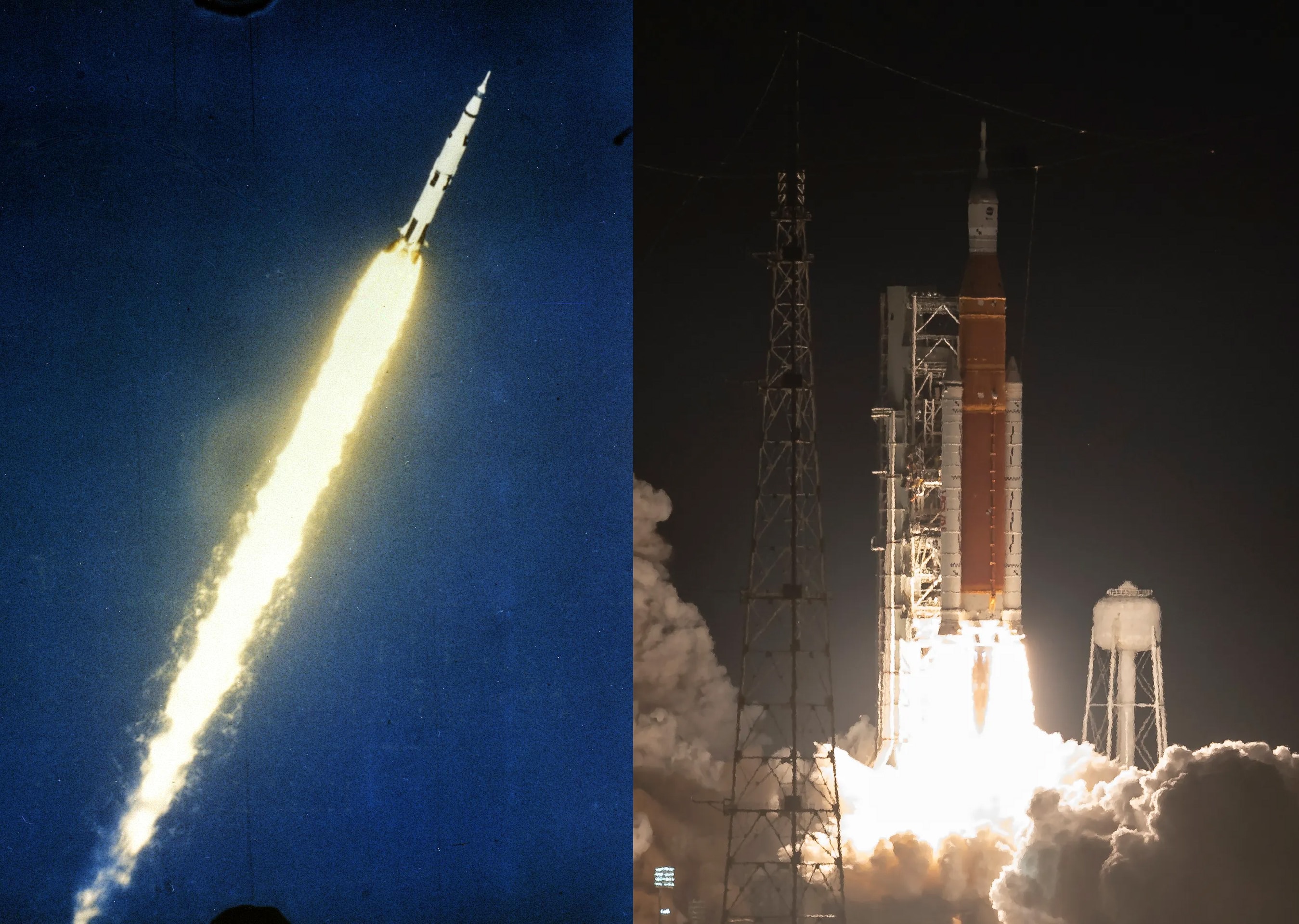
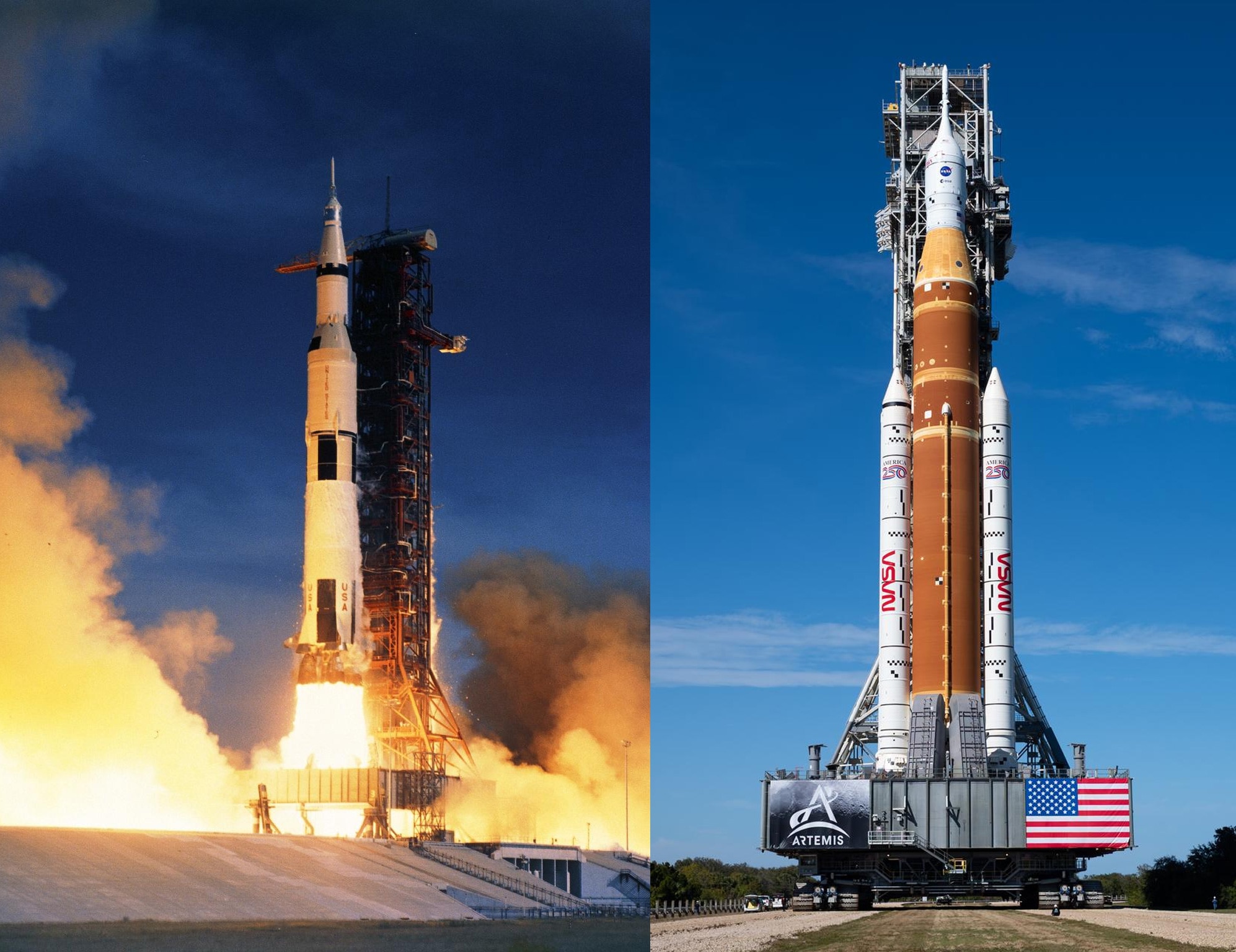
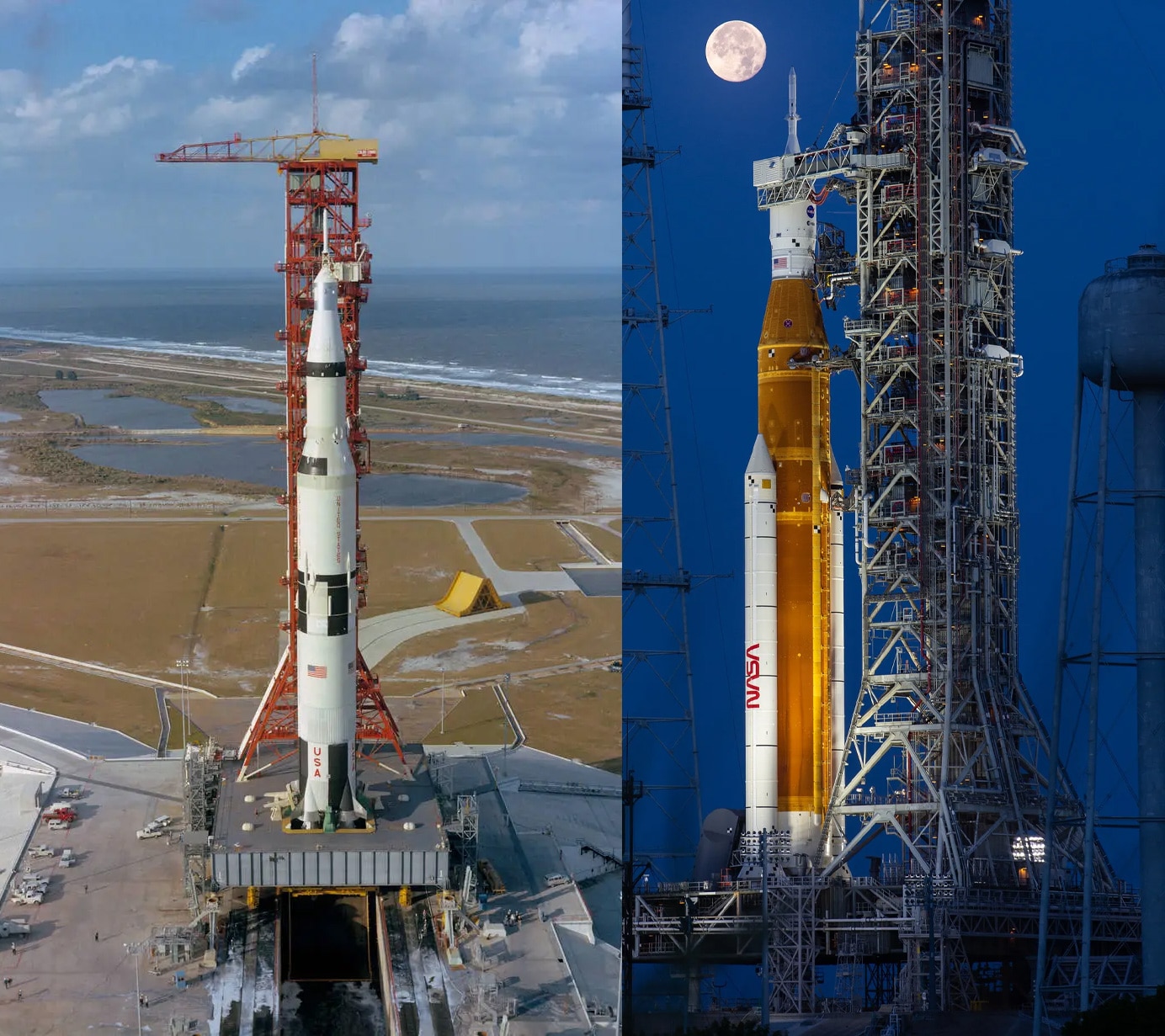
NASA landed humans on the Moon six times between 1969 and 1972 using the Saturn V rocket. The rocket generated 7.6 million pounds of thrust when it first lifted off from Florida in 1969. Now, NASA's Space Launch System, the only rocket capable of sending Orion, astronauts and cargo toward the Moon, is set to do it again in 2026 from Florida - this time carrying astronauts on a lunar flyby mission. Scientists say the ground will vibrate at nearly identical frequencies. Same launch pad. Same dream. A very different world.
- 3/9
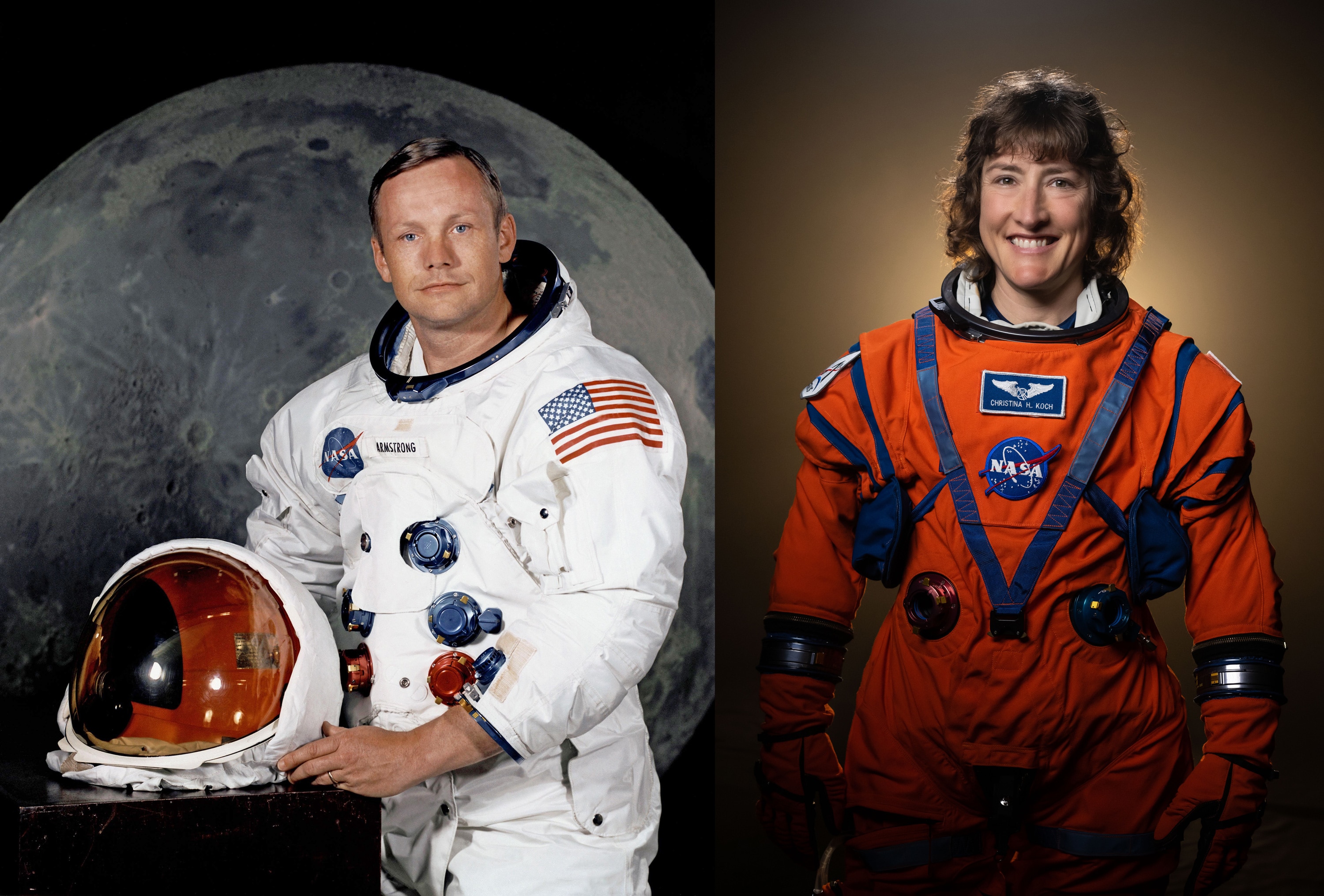
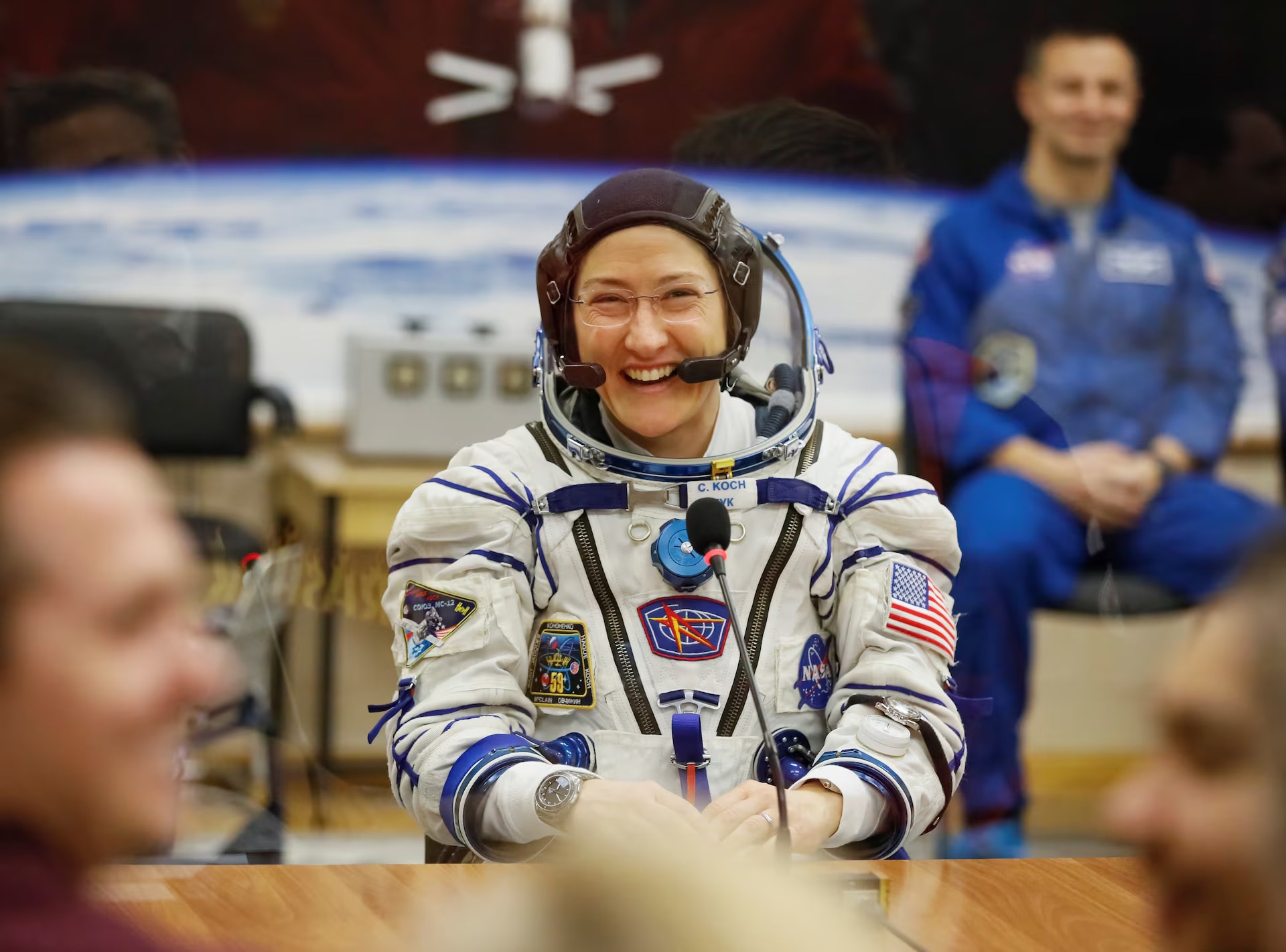
In the Apollo 11 mission in July 1969, astronaut Neil Armstrong's suit weighed about 180 pounds (84kg earth weight) and offered around eight hours of life support. Now, Christina Koch's Artemis suit weighs 25-30 lbs (approx 11 to 14 kg).
The Artemis II spacesuit is designed for a custom fit and equipped with technology features to help protect astronauts on launch day, in emergencies, high-risk parts of missions near the Moon, and during the high-speed return to Earth.
- 4/9
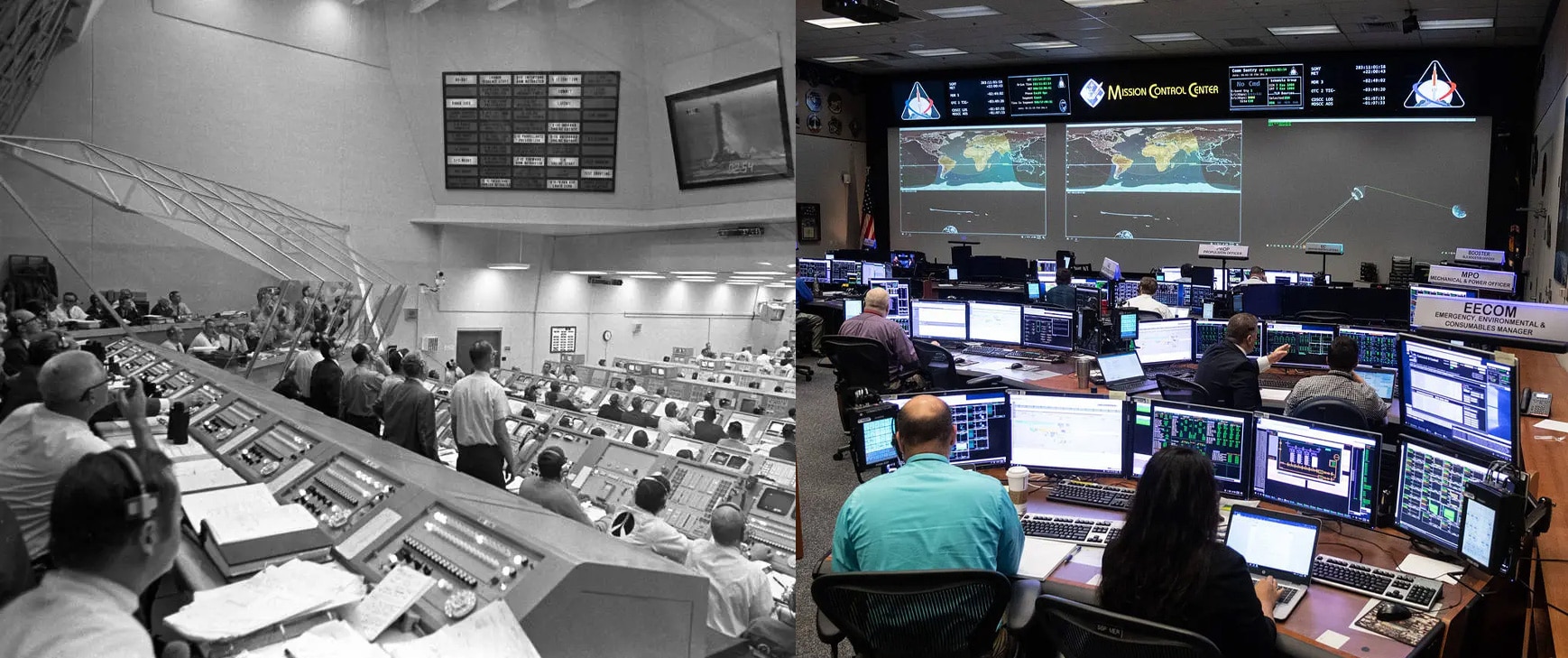
In 1969, NASA's Mission Control operated with extremely limited computing power by today’s standards. In 2026, NASA's Artemis flight directors will monitor 47 real-time data streams on modern digital displays.
- 5/9
The Saturn V remains one of the most powerful rockets ever flown - 7.6 million pounds of thrust, retired in 1973. NASA's Space Launch System produces 8.8 million pounds. More powerful, yes. But at $4.1 billion per launch versus Saturn V's inflation-adjusted $1.2 billion, critics ask: did we get our money's worth?

- 6/9
Apollo 11's astronauts were welcomed with a New York City ticker-tape parade watched by millions. The Artemis II crew will return to a world of real-time streaming, viral reactions, and social media tributes. The moment is just as large - but it will now unfold across billions of screens instead of a single television in each home.
- 7/9
NASA selected its first female astronaut class in 1978 - nine years after Apollo 11. For decades, no woman travelled beyond low Earth orbit. Christina Koch is set to cross that line on April 1, 2026. One flight. One milestone. Years of institutional change compressed into a single liftoff.
- 8/9
Apollo's entire programme - 17 missions, 12 moonwalks, 842 pounds of lunar rocks - cost $28 billion in 1970s dollars, or roughly $290 billion today. Artemis has already spent $93 billion and has yet to land astronauts on the Moon. NASA's Inspector General suggested that the $4.1 billion per-launch cost would be unsustainable.
- 9/9
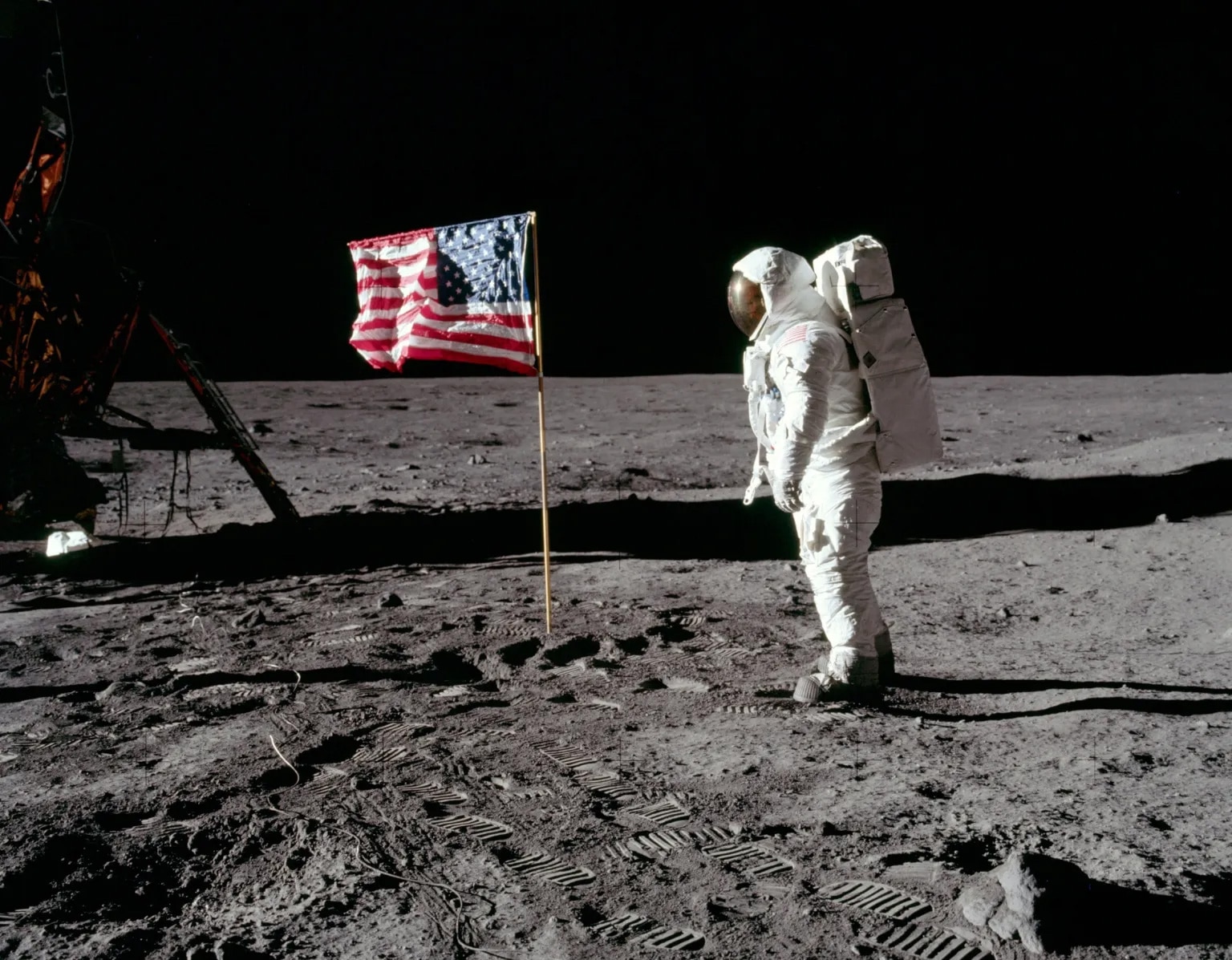
Buzz Aldrin was 39 when he stepped onto the Moon. More than five decades later, no human has returned to the lunar surface. Now, four astronauts are set to fly past the place he once walked.